
Vegetables
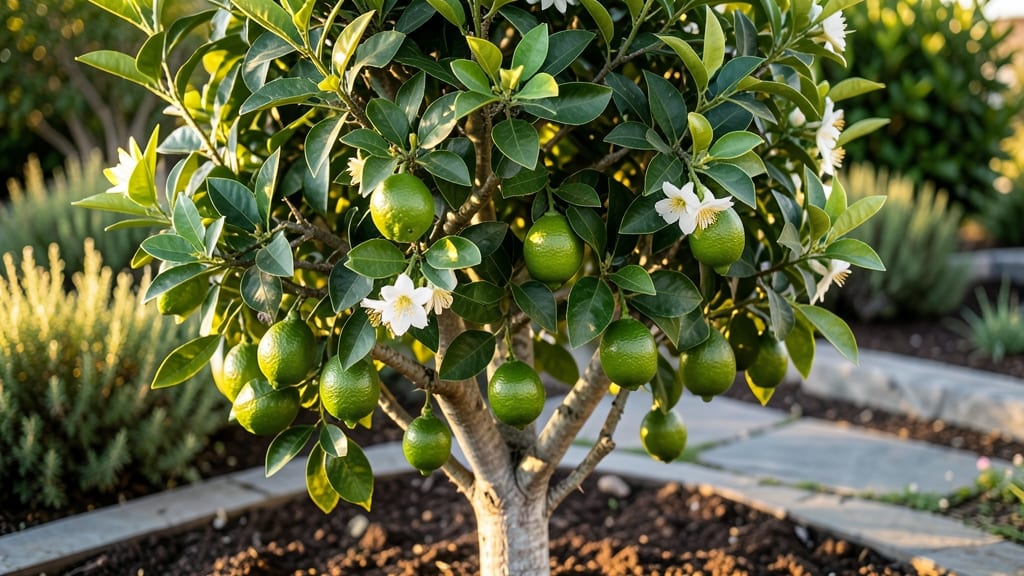
Growing green lemons means you're just weeks away from tart, fragrant fruit—if you know the right tricks. 🌱 I've nursed these citrus trees through three winters, and the secret to their survival (and your success) lies in understanding their quirks during that critical green-fruit stage.
These trees thrive in containers or in-ground, but they demand full sun (at least 6-8 hours daily) and well-draining soil that mimics their Mediterranean roots. The green fruit stage is where most gardeners stumble—overwatering turns them sour, while too little sun keeps them small and seedy.
Prune aggressively in late winter to shape the tree and encourage new growth that will bear fruit.
By summer, you'll watch those green lemons swell into bright yellow orbs, their scent filling the air like a burst of sunshine. The key is patience: green fruit stays tart and perfect for cooking (think sorbets, marinades) until it fully ripens.
Harvest when firm but yielding to gentle pressure—usually late fall in most climates.
Cold snaps? No problem. These trees handle 20°F with proper winter care—wrap containers, mulch roots, and avoid fertilizing after August. The payoff? A perennial that keeps giving for decades with almost no fuss after the first year.
📚 In This Guide
- What you need
- Instructions
- Tips and common mistakes
- Wrapping up and next steps
What you need
- ● Green Lemon Fruit Tree: Choose between: A 1-2 gallon container-grown tree (hardy to 15°F/-9°C) from a nursery (best for cold climates).
- ● Seeds (from a fresh green lemon fruit—germination takes 2-4 weeks!).
- ● Well-draining potting mix: 50% cactus/succulent mix, 30% perlite, 20% compost (sterilized). ~10 gallons for a young tree.
- ● Container (if not planting in-ground): Minimum 15-gallon pot (diameter ≥ 12 inches) with drainage holes.
- ○ Fabric grow bag (optional, for better aeration).
- ● Slow-release citrus fertilizer: 10-10-10 or 8-3-9 NPK ratio (follow package rates).
- ● Mulch: Pine bark fines or straw (2-3 inches thick) to retain moisture.
- ● Basic gardening tools: Trowel or small shovel
- ● Pruning shears (sterilized with rubbing alcohol)
- ○ Gloves (optional, but helpful for thorns!)
- ● pH testing kit: Aim for soil pH 6.0–7.0 (citrus loves slightly acidic soil!).
- ● Spray bottle: For misting seedlings or reviving dormant trees.
- ○ Heat mat (optional): If starting seeds indoors (70–80°F/21–27°C for germination).
- ● Cold-frame or frost cloth: For overwintering in zones 20°F/-7°C).
- ● 🌡️ Cold-climate hack: Plant in a south-facing spot or use a greenhouse to extend the growing season.
- ● ✨ Reviving dormant trees: Soak roots in lukewarm water for 1 hour before repotting.
- ● 🔥 Seedlings need patience: Keep humidity high with a plastic dome until sprouts appear.
Step-by-step instructions for reviving and growing green lemon fruit
Here’s how I’ve successfully grown this hardy citrus in cooler climates—no greenhouse needed.
🌱 Step 1: Select and Prepare Your Plant Material
Start with a green lemon fruit that’s firm, heavy for its size, and free of bruises or mold. The key is choosing a mature fruit—look for one that’s slightly soft when gently squeezed (like a ripe avocado). Cut the top off the fruit, exposing the seeds inside, and remove them carefully with a spoon.
Rinse the seeds thoroughly under running water to remove any pulp clinging to them. This prevents rot during germination. I like to soak the seeds in lukewarm water for 12 hours—this softens the outer coating and speeds up sprouting. After soaking, place the seeds between two damp paper towels and fold them into a sandwich. Store in a sealed plastic bag for 3-5 days until tiny white roots appear.
🪴 Step 2: Plant Seeds in a Warm, Draft-Free Spot
Fill 4-inch pots with a well-draining potting mix (avoid garden soil—it’s too dense). I blend 50% potting mix with 50% perlite for extra airflow. Plant each seed 1/4 inch deep, spacing them 2 inches apart in the pot. Gently press the soil around the seeds to ensure good contact without compacting it.
Cover the pots with clear plastic wrap or a humidity dome to trap warmth and moisture. Place them in a location with constant warmth (75-85°F)—a sunny windowsill or under a seedling heat mat works best. Keep the soil evenly moist (not soggy) by misting lightly every 2-3 days. Germination typically takes 10-20 days, but be patient—some seeds may take longer, especially in cooler rooms.
☀️ Step 3: Provide Bright, Indirect Light for Seedlings
Once seedlings emerge, remove the plastic wrap immediately to prevent damping-off (a fungal disease that causes stems to collapse). Place them under grow lights or in a south-facing window where they’ll receive 6-8 hours of bright, indirect light daily. Direct sunlight can scorch tender leaves, so avoid placing them in harsh midday sun until they’re stronger.
Rotate the pots a quarter turn every few days so seedlings grow straight instead of leaning toward the light. You’ll know they’re getting enough light when the leaves are deep green and compact (not leggy or pale). If stems stretch too tall or leaves yellow, move them closer to the light source or increase light exposure gradually.
💧 Step 4: Transplant and Harden Off for Outdoor Survival
When seedlings develop 3-4 sets of true leaves (not just the initial seed leaves), transplant them into 6-inch pots with the same well-draining mix. Handle the roots gently—green lemon trees are sensitive to root disturbance. Water thoroughly after transplanting to settle the soil and encourage root growth.
Begin hardening off 2 weeks before the last frost date. Start by placing the pots outside in a sheltered, shaded spot for 1-2 hours the first day. Gradually increase outdoor time by 1 hour daily, moving them to morning sun first before introducing afternoon light. By day 10, they should tolerate a full day outside. This gradual process prevents shock and helps them adapt to temperature swings.
⏰ Step 5: Overwinter and Protect from Cold
Green lemon trees are evergreen perennials in USDA zones 9-11, but they can survive colder climates with protection. Once temperatures drop below 40°F, move potted plants to an unheated garage, basement, or cool indoor space (like a sunroom) where temps stay between 40-50°F. Reduce watering to once every 3-4 weeks—overwatering in dormancy causes root rot.
In spring, resume regular watering and fertilizing when new growth appears. Prune any dead or yellowing leaves with sterilized scissors to encourage fresh foliage. By late spring, you can reintroduce the plants to outdoor conditions, gradually increasing sun exposure. With patience, your green lemon tree will reward you with fragrant blossoms and tart, aromatic fruit in just a few years.
Tips & tricks for reviving green lemon fruit
Here's what I learned after growing several green lemon trees from seed—these tricks make all the difference in survival rates and healthy growth.
Seed Selection Matters: The 12-hour lukewarm water soak is non-negotiable for breaking the seed's dormant state. I've found that seeds from slightly overripe green lemons (just starting to turn yellow) germinate faster than those from fully green, firm fruit. Look for seeds that sink immediately when placed in water—they're more likely to sprout. If some seeds float, they're not viable and can be discarded to save space.
Germination Environment: Maintaining that 75-85°F range is crucial during the 3-5 day germination period. I use a seedling heat mat under my pots and place them inside a clear plastic storage box to create a mini greenhouse effect. The humidity dome keeps moisture levels perfect without overwatering. If your home stays below 70°F, consider using a heating pad designed for reptile tanks—it's a game-changer for cooler climates.
Light Transition Strategy: When moving seedlings from the humidity dome to their 6-8 hours of bright indirect light, I make the transition gradual over 3 days. Day 1: 2 hours of light, Day 2: 4 hours, Day 3: full exposure. This prevents shock and helps prevent the leggy growth that happens when seedlings get too much light too soon. I've seen seedlings that went straight to full sun wilt completely within hours—don't make that mistake.
Hardening Off Hack: For the 2-week hardening off process, I keep a journal with each plant's daily sun exposure time. This helps me track progress and adjust as needed. If you notice leaves curling or wilting during the hardening process, immediately move the plant back to its previous exposure level and extend the acclimation period by 2-3 days. The goal is gradual adaptation, not forcing the plant to handle sudden changes.
Pro Tips for Green Lemon Fruit
- Here's what I learned after growing several green lemon trees from seed—these tricks make all the difference in survi...
- Seed Selection Matters: The 12-hour lukewarm water soak is non-negotiable for breaking the seed's dormant state. I've...
- Germination Environment: Maintaining that 75-85°F range is crucial during the 3-5 day germination period. I use a see...
Frequently asked questions
Got questions about growing and enjoying green lemon fruit?
You’re not alone! Here are answers to the most common queries to help you cultivate these zesty perennials with confidence.
Can green lemon fruit trees survive winter in cold climates?
These hardy plants thrive in USDA Zones 7-10 and can tolerate brief dips to 15°F (-9°C). To protect them, mulch heavily with straw or leaves and wrap the trunk with burlap. In extreme cold, consider a frost cloth or small greenhouse setup for young trees.
How do I know when green lemons are ripe for harvest?
Green lemons are best harvested when fully colored but still firm—typically 4-6 months after flowering. Gently squeeze the fruit; it should yield slightly but not feel mushy. For maximum flavor, pick in the morning when acidity peaks. Pro tip: Use a sharp knife to avoid bruising the skin.
What’s the difference between green lemons and regular lemons?
Green lemons (like Citrus × limon ‘Meyer’) are sweeter, thinner-skinned, and more fragrant than standard lemons. They’re often used in desserts, teas, or as garnishes. Regular lemons are more tart and better for cooking. Both are perennial, but green lemons are more cold-resistant!
Why are my green lemon leaves turning yellow?
Yellowing leaves usually signal overwatering, nutrient deficiency, or root rot. Check soil moisture—it should be dry 1-2 inches deep before watering. For yellowing between veins, test for iron or nitrogen deficiency and amend soil with compost or citrus-specific fertilizer.
Can I eat unripe green lemons?
Yes! While underripe lemons are tart and less sweet, they’re still edible. Use them in marinades, cocktails, or sauces where acidity is key. For better flavor, let them ripen on the tree or store at room temperature for 1-2 weeks. Avoid refrigerating until fully ripe to prevent mealy texture.
Are green lemon trees safe for pets?
Caution: Lemons contain psoralens and citric acid, which can upset pets’ stomachs or cause mild toxicity if ingested in large amounts. Keep trees out of reach, and watch for drooling, vomiting, or lethargy. Pro tip: Opt for pet-safe alternatives like lemon balm if you’re concerned.
Wrapping up and next steps
Growing green lemon fruit in cold climates is not only possible—it’s a rewarding adventure that brings a taste of sunshine to your garden year after year! 🌱 With minimal fuss and the right care, you can enjoy this hardy perennial’s vibrant fruits and fragrant leaves.
Whether you’re a seasoned gardener or just starting out, this guide has given you the tools to thrive.
Ready to take the next step? Start small—plant a single green lemon bush this season and watch it flourish. Share your progress with fellow gardeners, experiment with recipes, or even gift a cutting to a friend!
The journey to a thriving, low-maintenance harvest begins with that first seedling. You’ve got this! 🌿