
Vegetables
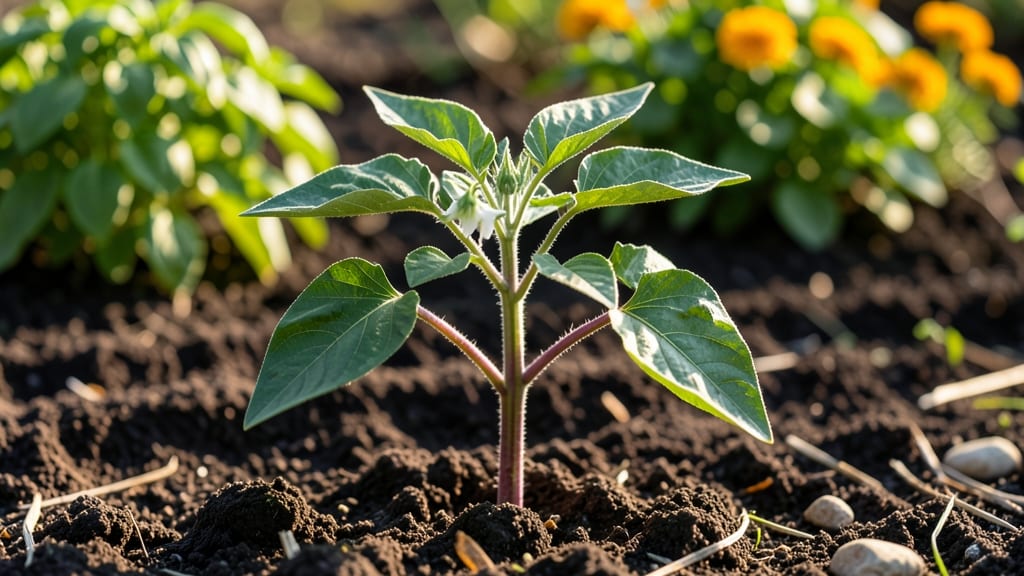
Growing green pepper seedlings from seed gives you varieties you can’t buy—like sweet banana peppers or fiery jalapeños—right from your windowsill. 🌱 I’ve started hundreds of seedlings, and the key to strong, sturdy plants begins with the right light, soil, and patience.
Most people rush this step, but taking it slow means seedlings that transplant like pros, not floppy sticks begging for pity.
The secret isn’t complicated: 6-8 hours of bright light daily (a south-facing window or grow light) keeps stems thick and leaves vibrant. Overwatering is the real villain—keep soil barely damp, and use a tray with drainage to avoid soggy roots.
Leggy seedlings? They’re begging for more light, not fertilizer. Within 4-6 weeks, you’ll have seedlings ready to handle the great outdoors.
Transplanting is where the magic happens. Harden off seedlings by moving them outside for 3-5 hours daily before the big move. Bury them deeper than the pot—pepper plants grow roots along their stems—and space them 18 inches apart for room to stretch.
The first few weeks after transplanting are critical: watch for wilting and water deeply but infrequently to encourage strong root growth.
Common issues like damping off (mushy stems) or yellow leaves? They’re fixable. Damping off? Improve airflow and avoid crowding. Yellow leaves? Check your watering—peppers hate soggy feet. With the right care, your seedlings will transition from fragile sprouts to productive plants bursting with peppers by mid-summer.
Ready to grow your own heat (or sweetness)? Let’s get started.
📚 In This Guide
- What you need
- Instructions
- Tips and common mistakes
- Wrapping up and next steps
What you need
- ● Seeds: High-quality Capsicum annuum seeds (green pepper variety of your choice). Start with 3–5 seeds per container for better germination rates.
- ● Seed Starting Mix: A lightweight, sterile seedling mix (avoid garden soil—it’s too dense!). A 10–12 quart bag is ideal for 5–10 seedlings.
- ● Containers: Biodegradable pots (2–3 inches deep) or cell trays (for easy transplanting).
- ○ Plastic nursery trays with drainage holes (optional but helpful for organization).
- ● Grow Lights or Sunny Window: A full-spectrum LED grow light (12–16 hours/day) or a south-facing window (6+ hours of direct sunlight).
- ● Spray Bottle: For gentle watering (avoid over-saturating seeds!).
- ○ Heat Mat (Optional but Helpful): A seedling heat mat (70–80°F range) speeds up germination for Capsicum seeds.
- ● Trowel or Small Spoon: For planting seeds at the correct depth (¼ inch deep).
- ● Humidity Dome or Plastic Wrap: To retain moisture while seeds germinate (remove once sprouts appear!).
- ● Fertilizer: A balanced, water-soluble fertilizer (5-5-5 or 10-10-10) diluted to half-strength for seedlings.
- ● pH Test Kit: Ensure your soil mix is slightly acidic (6.0–6.8)—peppers thrive in this range!
- ○ Pruning Shears: For trimming leggy seedlings later (optional but useful).
Step-by-step guide to growing healthy green pepper seedlings
Turn tiny seeds into sturdy, garden-ready peppers with these proven techniques.
🌱 Step 1: Start Seeds Indoors 8-10 Weeks Before Last Frost
Fill small seedling trays with sterile seed-starting mix and moisten until evenly damp. Pepper seeds germinate best at 75-85°F, so place trays on a seedling heat mat or in a warm spot. Plant 2 seeds per cell at a depth of ½ inch—any deeper delays germination. Cover lightly with additional mix and mist gently to settle seeds.
Cover the tray with clear plastic wrap or a humidity dome to retain moisture and warmth. Check daily for condensation—remove the cover immediately if water droplets form to prevent fungal issues. You'll see sprouts in 7-14 days, depending on your seed variety and warmth consistency.
💧 Step 2: Provide Consistent Light and Water
Once seedlings emerge, remove the cover and place them under grow lights or in a south-facing window where they receive 12-16 hours of light daily. Pepper seedlings need intense light to prevent leggy growth—thin stems and widely spaced leaves signal insufficient light. Adjust grow lights to stay 2-3 inches above seedlings and raise them as plants grow.
Water from the bottom by placing trays in ½ inch of water for 10 minutes daily. Avoid overhead watering after germination to prevent disease. You'll know seedlings are properly hydrated when the soil surface feels slightly damp but not soggy. Fertilize lightly with a half-strength liquid fertilizer after the first true leaves appear.
☀️ Step 3: Harden Off Seedlings for Outdoor Transition
Two weeks before transplanting, begin hardening off seedlings by placing them outside in a sheltered, shaded area for 1-2 hours daily. Gradually increase exposure over 7-10 days, moving them to morning sun first before full afternoon exposure. This slow adjustment prevents transplant shock and strengthens stems.
Watch for wilting or yellowing leaves—these are signs of stress. If you notice curling or browning, move seedlings back indoors for another day. Once they tolerate 6+ hours of direct sun without wilting, they're ready for the garden. Transplant on a cloudy day or late afternoon to reduce stress further.
✂️ Step 4: Transplant and Support for Optimal Growth
Dig holes 12-18 inches apart in well-draining soil amended with compost. Remove seedlings from trays gently, handling stems by the leaves to avoid damage. Plant at the same depth they grew indoors—burying too deep can cause rot, while planting too shallow leaves roots exposed. Water deeply immediately after transplanting to settle soil around roots.
Install cage supports or stakes at planting time to prevent stems from snapping under pepper weight. Prune suckers (side shoots in leaf axils) regularly to direct energy to fruit production. You'll see new growth within 7-10 days—this confirms successful transplantation and proper care.
Tips & tricks for perfect green pepper seedlings
Growing strong pepper seedlings starts with these game-changing insights that'll help you avoid common pitfalls and nurture plants that thrive from seed to garden.
Heat Matters: Maintaining that 75-85°F range for germination is critical—pepper seeds won't sprout reliably outside this window. If your home stays cooler, place trays on a seedling heat mat or nestle them inside a warm appliance (like the top of your fridge) for consistent warmth. I've seen germination rates drop by 50% when temps dip below 70°F, so don't skip this step!
Lighting Strategy: The 12-16 hours of daily light requirement isn't negotiable for preventing leggy seedlings. If natural light falls short, invest in affordable LED grow lights—position them just 2-3 inches above your seedlings and adjust as they grow. I've noticed seedlings stretch dramatically when lights are too far away, so check this distance weekly. Morning sun exposure is especially important during hardening off.
Watering Wisdom: That 10-minute daily bottom-watering technique prevents fungal diseases by keeping foliage dry. For extra insurance, use a spray bottle with warm water to gently mist leaves weekly—this mimics natural dew and helps prevent powdery mildew. Always check soil moisture by feeling the surface; it should feel like a wrung-out sponge, not a damp towel.
Transplant Timing: The 7-10 days of gradual hardening off is where most beginners rush. Start with just 1-2 hours of shaded outdoor time, then increase by 30 minutes daily. I've seen seedlings wilt dramatically after too much sun too soon—watch for slight wilting as your cue to slow down. Transplanting on a cloudy day or late afternoon gives roots extra time to adjust before nightfall.
Pro Tips for Green Pepper Seedling
- Growing strong pepper seedlings starts with these game-changing insights that'll help you avoid common pitfalls and n...
- Heat Matters: Maintaining that 75-85°F range for germination is critical—pepper seeds won't sprout reliably outside t...
- Lighting Strategy: The 12-16 hours of daily light requirement isn't negotiable for preventing leggy seedlings. If nat...
Frequently asked questions
How long does it take for green pepper seedlings to germinate?
Green pepper seeds typically sprout within 7–21 days, depending on temperature and moisture. Keep soil warm (70–85°F) and consistently damp (not soggy) for the best results. Patience pays off—some varieties may take longer, so avoid replanting too soon!
When should I transplant green pepper seedlings outdoors?
Wait until after the last frost and soil temps reach at least 60°F (peppers hate cold!). Seedlings should be 6–8 inches tall with 4–6 true leaves. Harden them off for 7–10 days by gradually exposing them to outdoor conditions to avoid shock.
What if my green pepper seedlings look leggy or weak?
Leggy seedlings mean they’re stretching for light! Move them closer to a sunny window or under grow lights (12–16 hours/day). If soil is too cold, warm it with a heating mat. Pinch off the top set of leaves to encourage bushier growth and reduce transplant shock.
Can I save seeds from store-bought green peppers?
Yes, but with caution—many hybrid peppers (like bell peppers) won’t grow true to type. For heirloom varieties, let peppers fully ripen on the plant, scoop out seeds, rinse, dry, and store in a cool, dark place. Test a few seeds first to check viability!
What’s the best alternative if my seedlings fail?
No worries! Buy healthy starter plants from a nursery (choose compact varieties for containers). If space is tight, try bush-type peppers like ‘Snackable’ or ‘Jalapeño M.’ Just ensure they get full sun (6+ hours/day) and well-draining soil to thrive.
Wrapping up and next steps
Growing green pepper seedlings from scratch is a rewarding journey that connects you to nature—and your kitchen! 🌱 With the right soil, sunlight, and care, you’ll soon be harvesting vibrant, homegrown peppers. Whether you’re a beginner or a seasoned gardener, every tiny sprout is a step toward a bountiful harvest.
Ready to take the next step? Plant your seedlings outdoors once temperatures stay consistently warm (around 50°F or higher), or transition them to a larger pot for continued indoor growth. Happy gardening—your future meals will thank you!