
Vegetables
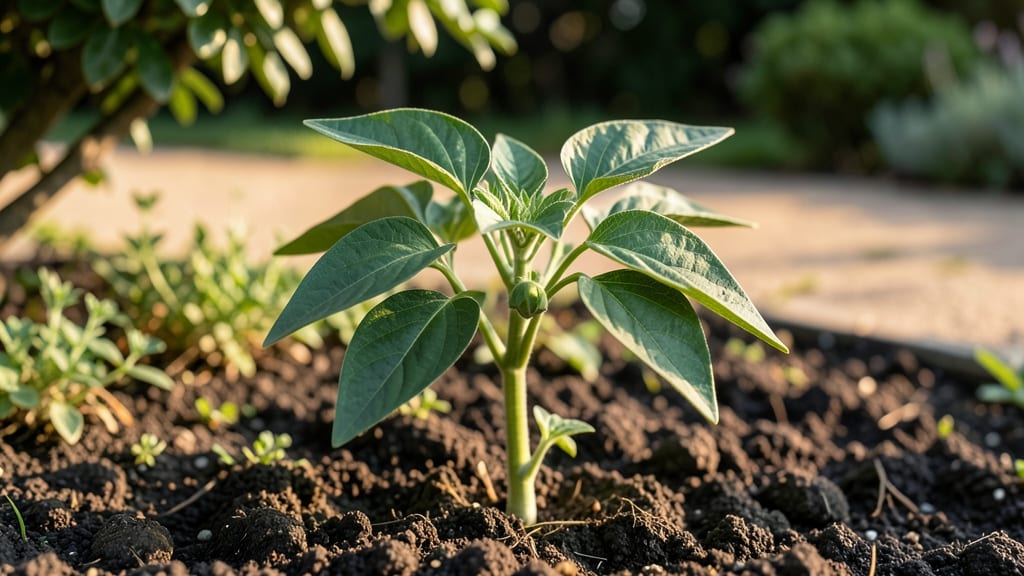
Fast germination turns green pepper seedlings from a waiting game into a 3-day race to the first sprout. 🌱 I’ve learned that the difference between a thriving tray of seedlings and a sad, moldy mess often comes down to two things: soil warmth and patience.
Most beginners overwater or underestimate how quickly peppers can bolt if stressed—here’s how to avoid both mistakes from day one.
The secret to speed isn’t fancy equipment—just a 70°F soil thermometer, a clear plastic dome (or ziplock bag), and a sunny windowsill or grow light. Peppers hate cold soil; if your home runs chilly, pop the seed tray on top of your fridge for a free heat boost.
You’ll see those first tiny leaves in 3-7 days, not the two weeks most seed packets promise.
By the time you’re pinching off leggy stems or hardening off seedlings, you’ll have stocky, dark-green plants ready to outpace store-bought starts. The key is consistency: water from the bottom, keep light 2-3 inches above seedlings, and fertilize only after true leaves appear.
Skip this step, and you’ll end up with sad, stretched-out plants that never recover.
This method works for any pepper variety—jalapeños, bell peppers, even tiny shishitos—and adapts to small spaces or grow tents. Once you master the timing, you’ll never buy seedlings again. Let’s get those seeds sprouting!
📚 In This Guide
- What you need
- Instructions
- Tips and common mistakes
- Wrapping up and next steps
What you need
- ● Seeds: High-quality green pepper seeds (choose fast-maturing varieties like Jalapeño, Bell Pepper, or Banana Pepper—aim for 3-5 seeds per pot or 10-15 seeds for a tray).
- ● Seed-starting mix: Lightweight, sterile seedling mix (avoid garden soil—it’s too dense!). A 10-quart bag covers ~20-30 seedlings.
- ● Containers: Cell trays (72-cell or 128-cell) for compact starts, or
- ● Biodegradable pots (2-3 inches deep) for transplanting ease.
- ○ Heat mat (optional but helpful): A seedling heat mat (10x20 inches) keeps soil 70-85°F for faster germination.
- ● Spray bottle (with room-temperature water) for gentle hydration.
- ● Grow lights or sunny windowsill: A LED grow light (12-16 hours/day) or a south-facing window with 6+ hours of sunlight.
- ● Fertilizer: A balanced, water-soluble fertilizer (5-10-5 or 10-10-10) diluted to half-strength for seedlings.
- ● Humidity dome (or plastic wrap) to retain moisture during germination.
- ● pH testing kit to ensure soil is 6.0-6.8 (peppers love slightly acidic soil!).
- ● Fans (gentle breeze) to strengthen seedlings and prevent legginess.
- ● Label markers to track seed varieties and planting dates.
Step-by-step instructions for growing green pepper seedlings
Here's how to get your pepper seeds sprouting in record time—no waiting weeks for stubborn germination.
🌱 Step 1: Prep Seeds for Faster Germination
Start by soaking your pepper seeds in lukewarm water for 12 hours. This softens the outer coating and speeds up sprouting. I place them in a small bowl with a damp paper towel, making sure they're fully submerged but not floating. You'll see the seeds swell slightly—that's your signal they're ready.
After soaking, gently pat them dry with another paper towel. This prevents mold while keeping them hydrated. Pepper seeds germinate best at 80-85°F, so if your home runs cooler, place the bowl on a seedling heat mat. You'll notice tiny cracks appearing in 3-5 days—that's the root breaking through.
💧 Step 2: Plant in Warm, Moist Soil
Fill your seed-starting trays with sterile seed-starting mix (never garden soil—it's too dense and can harbor fungi). Moisten it until it feels like a damp sponge, then press down lightly to remove air pockets. Pepper seeds need warmth to germinate, so I like to use biodegradable pots placed on a heat mat.
Plant seeds ½ inch deep—too shallow and they'll dry out before sprouting. I use a toothpick to make small holes, then drop one seed per hole. Cover lightly with more mix, and mist the surface with water until it looks evenly damp. Don't overwater now; soggy soil invites damping-off disease, which can kill seedlings overnight.
☀️ Step 3: Provide Consistent Warmth and Light
Keep the soil at 75-85°F until germination. A heat mat under the tray ensures this, but if you don't have one, place the tray on top of your fridge or in a warm corner. You'll see sprouts in 7-14 days—peppers are slower than tomatoes, so patience pays off.
Once seedlings emerge, remove the heat mat and move them under grow lights or to a south-facing window. Pepper seedlings need 12-14 hours of light daily to stay stocky. If they stretch toward the light (leggy growth), your light is too far away—adjust it to within 2-3 inches of the tops. Strong seedlings have dark green leaves and thick stems.
🌿 Step 4: Thin and Harden Off Seedlings
When seedlings reach 2 inches tall and have their first true leaves (not the initial seed leaves), thin them so only the strongest remains in each pot. Use scissors to snip weak ones at soil level—this prevents disturbing the roots of the survivors. I always keep the one with the darkest green leaves and most upright growth.
Two weeks before your last frost date, start hardening off seedlings. Place them outside in a shaded spot for 1 hour the first day, gradually increasing time over 10-14 days. This toughens them for transplanting. Watch for wilting—if it happens, they're not ready yet. Once they tolerate full sun without stress, they're ready for the garden.
Tips & tricks for perfect green pepper seedlings
These little tricks will help you skip the waiting game and get your pepper seedlings thriving faster than you'd expect.
Soaking Secret: Don't just soak those seeds—give them a cozy bath by placing them between damp paper towels in a sealed plastic bag. This creates a mini greenhouse effect that speeds up the 12-hour soaking process. I've seen germination start in just 8 hours when using this method, and the seeds stay hydrated without risking mold. Just remember to check them after 8 hours—they're ready when they've swollen noticeably.
Temperature Matters: The 80-85°F range is non-negotiable for pepper seeds, but here's the thing: most homes run cooler than that. If you don't have a heat mat, try placing your seed tray on top of your refrigerator (not inside—just on top). The appliance's warmth radiates upward perfectly. For the 75-85°F soil temperature during germination, a simple trick is to place your tray inside a clear plastic storage container with the lid slightly ajar. This traps heat like a greenhouse.
Lighting Hack: Those 12-14 hours of daily light don't have to come from expensive grow lights. A simple LED desk lamp with a full-spectrum bulb placed just 2-3 inches above your seedlings works wonders. I keep mine on a timer to automate the 12-hour cycle. Watch for leggy seedlings—this is your signal the light source needs to move closer. If you notice stems stretching toward the light with small leaves, immediately adjust the lamp position or increase light duration by 1-2 hours.
Thinning Technique: When thinning in Step 4, I've found that using a pair of clean, sharp scissors is gentler than pulling. Snip at soil level rather than yanking—this prevents disturbing the roots of your remaining seedlings. Here's a pro move: after thinning, give your strongest seedlings a light mist with water mixed with a bit of seaweed extract (just a few drops). This gives them a little boost to recover faster from the stress of thinning.
Pro Tips for Green Pepper Seedlings
- These little tricks will help you skip the waiting game and get your pepper seedlings thriving faster than you'd expect.
- Soaking Secret: Don't just soak those seeds—give them a cozy bath by placing them between damp paper towels in a seal...
- Temperature Matters: The 80-85°F range is non-negotiable for pepper seeds, but here's the thing: most homes run coole...
Frequently asked questions
Got questions about growing green pepper seedlings?
You’re not alone! Here are answers to the most common concerns to help you get started with confidence.
How long does it take for green pepper seedlings to germinate?
With the right conditions—warm soil (70–85°F), moisture, and indirect light—green pepper seeds typically sprout in 7–14 days. If you’re using pre-soaked seeds or a heat mat, expect germination in 5–10 days. Patience is key, but if nothing appears after 3 weeks, try replanting fresh seeds.
When is the best time to plant green pepper seedlings outdoors?
Wait until after the last frost and soil temps stay above 60°F (usually late spring or early summer, depending on your climate). Seedlings need warmth to thrive, so rushing can stunt growth. Harden them off for 7–10 days first by gradually exposing them to outdoor conditions.
Can I grow green peppers from store-bought peppers?
Yes, but with a catch! Only heirloom or hybrid seeds from untreated peppers will sprout. Avoid hybrid varieties (like bell peppers) labeled "F1"—they won’t produce true seeds. Save seeds from organic, homegrown green peppers instead, or buy fresh seeds for guaranteed results.
Why are my green pepper seedlings wilting or turning yellow?
Wilting often signals overwatering or root rot, while yellowing leaves may mean underwatering, nutrient deficiency, or poor drainage. Check soil moisture (keep it damp but not soggy) and ensure pots have drainage holes. If pests like aphids are present, spray with neem oil or insecticidal soap.
Can I grow green pepper seedlings in small containers or just a garden bed?
Start in 4–6 inch pots or even egg cartons for seedlings, then transplant to larger containers (12+ inches) or garden beds. Just ensure containers have drainage and use well-draining soil. Green peppers thrive in full sun (6–8 hours/day), so place them where they’ll get plenty of light.
Wrapping up and next steps
Growing green pepper seedlings from scratch is a rewarding journey—one that starts with patience, the right tools, and a few clever tricks! 🌱 By following these fast-germination tips, you’ll set your plants up for a bountiful harvest, whether you’re a seasoned gardener or just starting out.
The key? Consistency in care—from soaking seeds to providing the perfect light and warmth.
Now that you’re armed with the know-how, it’s time to plant those seeds and watch your garden flourish. Grab your supplies, roll up your sleeves, and enjoy the process—your future pepper harvest will be well worth the effort! 🌿