
Vegetables
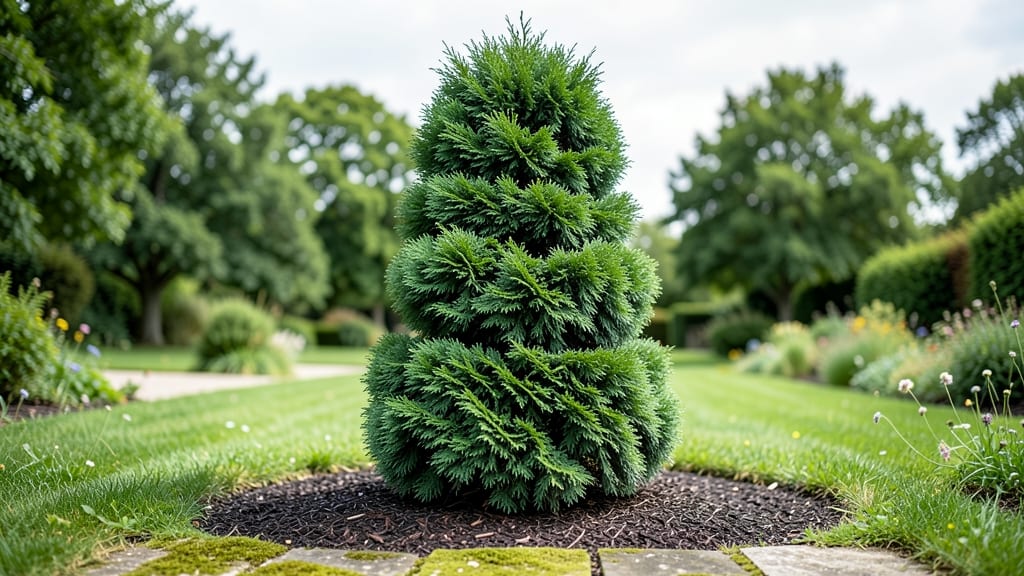
The Green Rocket Leyland Cypress grows 3-4 feet per year, making it the fastest evergreen for instant privacy. I planted mine last spring, and by summer, it already blocked the neighbor’s view—no fence needed. The dense, vibrant green foliage stays lush year-round, even when other plants go dormant.
This frost-hardy tree thrives in full sun to partial shade and tolerates a range of soils, though it prefers well-drained, slightly acidic mixes. Water deeply once a week for the first year, then taper off as roots establish. Overwatering is the biggest mistake—these trees hate soggy feet.
Pruning is simple: shape in late winter or early spring by trimming back overgrown branches to maintain your desired height and width. The key is consistency—skip the heavy pruning in summer, or you’ll sacrifice next year’s growth.
Once established, the Green Rocket needs minimal care, making it perfect for busy gardeners. It’s also deer-resistant, salt-tolerant, and handles urban pollution better than most evergreens. For a fast, low-maintenance privacy screen, this is the tree to plant.
📚 In This Guide
- What you need
- Instructions
- Tips and common mistakes
- Wrapping up and next steps
What you need
- ● Green Rocket Leyland Cypress: 1 sapling (3–5 ft tall) or 1 young tree (6–10 ft, depending on desired maturity)
- ● Note: Check local nurseries for frost-resistant cultivars (e.g., 'Green Rocket' or 'Leylandii' hybrids).
- ● Soil: Well-draining, slightly acidic soil (pH 5.5–7.0)
- ● 50% native soil + 50% organic matter (compost, peat moss, or pine bark)
- ● Planting Supplies: 1 shovel (for digging)
- ● 1 garden trowel (for root adjustments)
- ● 1 wheelbarrow (for soil transport)
- ● 1 hose or watering can (with 1–2 gallons of water)
- ● Mulch: 2–3 inches of pine straw, wood chips, or shredded bark (to retain moisture and insulate roots)
- ● Fertilizer: Slow-release, nitrogen-rich fertilizer (e.g., 10-10-10 or 12-4-8) applied in early spring.
- ● Tree stakes & ties: For young saplings in windy areas (2–3 stakes per tree).
- ● Soil tester kit: To verify pH and nutrient levels before planting.
- ● Pruning shears: For shaping or removing dead branches (sterilize blades with rubbing alcohol).
- ● Frost cloth: A lightweight blanket for newly planted trees in sub-zero temps (💡 Pro Tip: Use during the first winter to protect tender growth!).
- ● Sunlight: Full sun (6+ hours daily) or partial shade (avoid deep shade).
- ● Space: 10–15 ft wide (for mature height of 30–40 ft) and 5–6 ft spacing between trees.
- ● Climate: USDA Zones 6–10 (frost-resistant but may need winter care in colder zones).
- ● Local regulations: Check HOA or city guidelines on tree planting (some areas restrict fast-growing evergreens).
Step-by-Step guide to planting and maintaining Green Rocket Leyland Cypress
This fast-growing evergreen delivers year-round privacy with minimal fuss—here’s how to plant and care for it properly.
Select the Ideal Planting Location and Prepare the Soil
Choose a site with full sun exposure (at least 6-8 hours of direct sunlight daily) and well-draining soil. Green Rocket Leyland Cypress thrives in USDA Hardiness Zones 6-10, making it ideal for colder climates where other evergreens struggle. Test your soil’s drainage by digging a 12-inch deep hole—if water pools after 30 minutes, amend with 2-3 inches of organic compost or sand to improve aeration.
This evergreen tolerates a range of soil types but performs best in slightly acidic to neutral soil (pH 6.0-7.5). If your soil is heavy clay, mix in 1 part peat moss or pine bark fines to the top 6 inches of the planting area. Avoid low-lying spots where cold air settles—this plant’s frost resistance is impressive, but it still needs good airflow to prevent winter burn.
Dig the Hole and Plant with Proper Spacing
Dig a hole twice as wide as the root ball but no deeper—planting too deep suffocates roots and invites rot. For 4 plants, space them 8-10 feet apart in a row or 6-8 feet apart in a staggered formation for denser privacy. The root ball should sit 1-2 inches above the surrounding soil level to prevent waterlogging.
Gently remove the plant from its container and loosen any circling roots with your fingers. Place it in the hole, backfilling with native soil mixed with 1 cup of slow-release fertilizer (10-10-10 ratio) per plant. Water deeply to eliminate air pockets, then create a 2-inch deep watering basin around the base. This plant’s rapid growth means it’ll need consistent moisture for the first 12 months—don’t let the soil dry out completely.
Mulch and Water for Establishment
Apply 3-4 inches of mulch (pine straw, wood chips, or shredded bark) around the base, keeping it 6 inches away from the trunk to prevent rot. Mulch conserves moisture and regulates soil temperature, which is critical during hot summers and cold winters. Replenish mulch annually to maintain coverage.
Water deeply 2-3 times per week during the first growing season, providing 1-2 gallons per plant each time. You’ll know the roots are establishing when the plant shows new growth in spring and maintains deep green foliage year-round. Avoid overhead watering—this can promote fungal diseases like cypress canker, which weakens the plant’s natural frost resistance.
Prune for Shape and Health Yearly
Prune Green Rocket Leyland Cypress in late winter or early spring before new growth begins. Remove dead, diseased, or crossing branches first, then shape the plant by trimming no more than 25% of the foliage at a time. Use clean, sharp pruners to make cuts just above a bud or lateral branch—never leave stubs, as they invite infection.
This fast-growing variety can reach 30-40 feet tall in ideal conditions, so regular pruning keeps it manageable. If you’re using it as a privacy screen, aim for a tapered, natural shape rather than a rigid hedge. Avoid heavy pruning in fall or winter, as new growth won’t harden off before cold snaps, leaving it vulnerable to frost damage.
Monitor for Pests and Winter Care
Watch for bagworms, spider mites, or scale insects, which occasionally target Leyland Cypress. Treat infestations early with neem oil or horticultural oil—this plant’s dense foliage deters most pests, but early intervention prevents spread. If you notice yellowing needles, it could signal iron deficiency (common in alkaline soils), which responds to chelated iron supplements applied in early spring.
In Zone 6 or colder, protect young plants (under 3 years old) with burlap wraps or anti-desiccant spray in late fall to prevent winter burn. Mature plants handle frost well, but a thick layer of mulch (4-6 inches) around the base improves cold tolerance. If heavy snow accumulates, gently brush it off branches to avoid snow mold or broken limbs.
Tips & tricks for perfect Green Rocket Leyland Cypress planting
Here's what nobody tells you about getting your frost-resistant evergreen off to the best possible start.
Soil Test Timing: The 30-minute drainage test in Step 1 is your best indicator of whether you need to amend the soil. I've seen many gardeners skip this step and end up with soggy roots that lead to rot. If you're unsure about your soil's natural drainage, consider investing in a simple soil test kit—it's a small price to pay for a thriving plant that will last decades.
Root Ball Positioning: When planting, the root ball should sit just 1-2 inches above the surrounding soil level as mentioned in Step 2. This might seem counterintuitive, but it prevents water from pooling around the roots. I learned this the hard way after watching several plants develop root rot because they were planted too deep. Think of it like wearing the right shoes—too deep and your feet (roots) get squished.
Watering Technique: The 2-3 times per week watering schedule in Step 3 is perfect, but how you water matters just as much. Use a soaker hose or drip irrigation to deliver water directly to the root zone. This creates that essential 2-inch deep watering basin while minimizing evaporation and disease risk. Overhead watering can leave the needles wet too long, creating the perfect conditions for fungal diseases like cypress canker.
Pruning Precision: When it comes to pruning in Step 4, remember that clean cuts are everything. Use sharp pruners and make your cuts just above a bud or lateral branch. I've seen too many gardeners leave stubs, which can invite infection. Think of it like giving your plant a fresh haircut—precise cuts lead to healthier growth. And remember, never prune more than 25% of the foliage at once, or you'll shock the plant.
Pro Tips for Green Rocket Leyland Cypress
- Here's what nobody tells you about getting your frost-resistant evergreen off to the best possible start.
- Soil Test Timing: The 30-minute drainage test in Step 1 is your best indicator of whether you need to amend the soil.
- Root Ball Positioning: When planting, the root ball should sit just 1-2 inches above the surrounding soil level as mentioned in Step 2.
Frequently asked questions
Got questions about the Green Rocket Leyland Cypress? You're not alone!
Here are some of the most common concerns—plus expert answers to help you grow a lush, frost-resistant hedge with confidence.
How fast does the Green Rocket Leyland Cypress grow?
The Green Rocket is a fast grower, averaging 3–4 feet per year under ideal conditions (full sun, well-drained soil, and regular watering). With proper care, it can reach 15–20 feet tall in just 5–7 years—perfect for quick privacy screens! Prune annually to maintain shape and encourage bushier growth.
Is this cypress truly frost-resistant?
The Green Rocket is hardy in USDA Zones 6–10, meaning it can handle down to -10°F (-23°C) without major damage. Young trees may need winter protection (like burlap wraps) in colder zones, but mature specimens thrive in frost. Pro tip: Water deeply before the first freeze to help roots survive.
Can I plant it in partial shade?
While the Green Rocket prefers full sun (6+ hours daily) for optimal growth, it can tolerate partial shade (4–6 hours of sun). In shadier spots, expect slower growth and less dense foliage. If planting in shade, choose a moist, well-draining location and fertilize lightly to compensate.
How and when should I prune it?
Prune twice a year: lightly in late spring (after new growth appears) to shape the tree, and heavily in early summer (June–July) to encourage bushiness. Avoid pruning in fall or winter—this can expose tender new growth to frost damage. Use sharp shears and never remove more than 1/3 of the foliage at once.
What are good alternatives if I need a slower-growing or smaller hedge?
If the Green Rocket’s rapid growth is too much, consider these slower-growing or dwarf alternatives:
- Emerald Green Arborvitae – Slower (12–18" per year), compact, and deer-resistant.
- Dwarf Leyland Cypress ('Haggerston') – Grows 12–18" per year, stays under 10 feet tall.
- Thuja Green Giant – Faster than arborvitae (36" per year) but more manageable than the Rocket.
- Boxwood ('Green Velvet') – Ultra-slow (6" per year), great for formal hedges.
Pro tip:
If space is limited, opt for a container-grown Green Rocket—it starts smaller and still delivers fast results!
Wrapping up and next steps
The Green Rocket Leyland Cypress is a standout choice for year-round privacy, blending stunning evergreen beauty with remarkable frost resistance and low-maintenance charm. Whether you're a seasoned gardener or a beginner, its fast growth and adaptability make it a game-changer for hedges, screens, or borders.
Ready to transform your outdoor space? Start planning your planting today—your future privacy oasis awaits! 🌿✨