
Vegetables
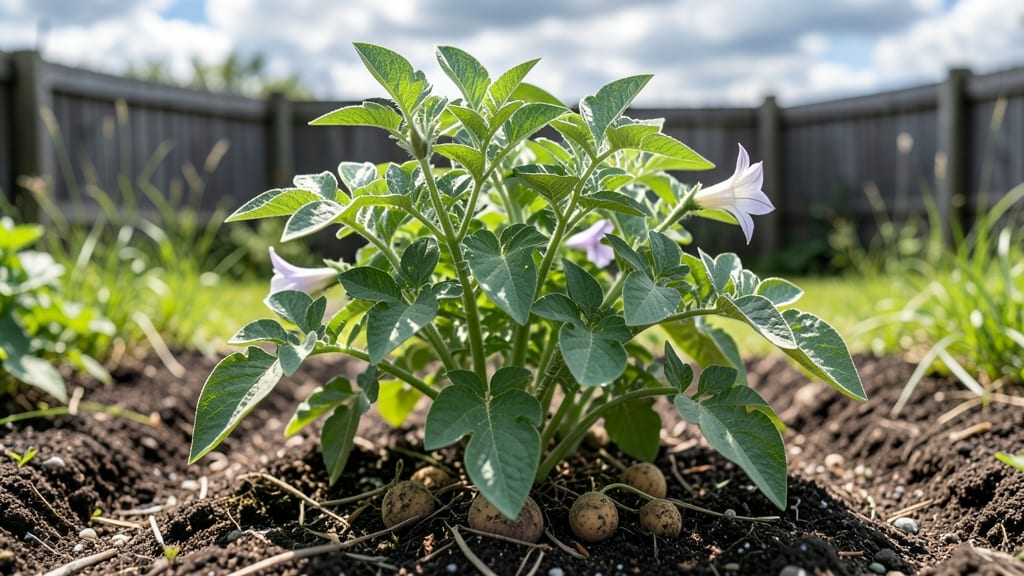
Growing potatoes in Kansas means beating the heat, hail, and early frosts—but I’ve done it for five years straight, and these hardy varieties and timing tricks make it foolproof. 🌱 The key is planting red Pontiacs and Yukon Golds in early spring when soil hits 50°F, then again in late summer for a fall harvest.
Kansas’ unpredictable weather demands patience, but the payoff is homegrown spuds that outlast store-bought by weeks.
Start with certified seed potatoes (not grocery store ones) and cut them into 2-inch chunks with at least one "eye" each. Plant them 4 inches deep in loose, well-drained soil—Kansas’ clay-heavy patches need extra compost to prevent waterlogging.
A straw mulch keeps tubers cool during summer’s scorching stretches, and row covers protect against hail storms that can shred foliage.
By mid-June, you’ll see vines taller than your knees, and that’s when you hill soil around the stems to prevent greening (which makes potatoes toxic). Harvest when the tops yellow and die back, gently brushing away dirt to reveal golden, bumpy treasures—perfect for roasting or mashed potatoes.
Store them in a cool, dark place for months of fresh harvests.
Kansas gardeners also swear by planting near marigolds to deter pests like Colorado potato beetles, and rotating crops yearly to avoid disease. The biggest mistake? Waiting too long to harvest—late-season potatoes turn woody and tough.
With these tricks, you’ll pull more potatoes than you know what to do with by August.
📚 In This Guide
- What you need
- Instructions
- Tips and common mistakes
- Wrapping up and next steps
What you need
- ● Seed Potatoes: 5–10 lbs (depending on variety and space). Choose certified disease-free seed potatoes, like Yukon Gold, Red Pontiac, or Kennebec—great for Kansas’ climate!
- ● Garden Soil: Well-draining, loamy soil with a pH of 5.0–6.5. Amend with compost if your soil is heavy clay (common in Kansas).
- ● Fertilizer: Balanced 10-10-10 or 5-10-10 fertilizer (1 lb per 100 sq ft).
- ○ Optional: Bone meal (for phosphorus) or potassium sulfate (for disease resistance).
- ● Mulch: Straw or grass clippings (2–3 inches) to retain moisture and suppress weeds.
- ● Garden Fork or Tiller: To loosen soil 12–15 inches deep before planting.
- ● Hand Trowel or Spading Fork: For planting seed potatoes and hilling soil.
- ● Garden Gloves: Heavy-duty to protect hands while handling soil and plants.
- ● Watering Can or Hose with Adjustable Nozzle: For gentle watering (avoid splashing soil on leaves).
- ○ Row Covers or Frost Blankets: (Optional) To protect early plants from late frosts (Kansas’ unpredictable springs!).
- ● Harvesting Knife or Spade: For digging up potatoes at maturity.
- ● Full-sun location (6–8 hours of sunlight daily).
- ● At least 100–200 sq ft of space (depending on yield goals). Rows should be 2–3 feet apart.
- ● Patience! Potatoes need 90–120 days to mature, so plan accordingly.
- ● Know your last frost date: Kansas ranges from late April to early May—start indoors 4–6 weeks before!
Step-by-Step guide to planting potatoes in Kansas gardens
Kansas’s climate demands smart timing and variety selection—here’s how to grow a bountiful potato harvest without common pitfalls.
🌱 Step 1: Choose Frost-Resistant Varieties for Kansas
Kansas’s unpredictable springs mean you need early-maturing varieties that tolerate light frosts. I always plant Yukon Gold (90 days) and Red Pontiac (85 days) because they handle Kansas’s 25-30°F nights better than late-season types. Avoid fingerlings—they’re too delicate for our soil shifts.
Buy certified seed potatoes (not grocery store tubers) from a reputable supplier. These are disease-free and already sprouted. I order mine in February so they’re ready when soil warms to 45°F. Store them in a cool, dark place until planting—never refrigerate, or they’ll turn sweet and rot.
☀️ Step 2: Time Planting for Kansas’s Frost-Free Window
Kansas’s last frost typically hits April 15 in most zones, but I wait until mid-April to plant. Use a soil thermometer—potatoes need 45-50°F soil for roots to establish. Plant too early, and cold soil will stunt growth; too late, and you’ll miss the 100-day harvest window before summer heat.
Cut seed potatoes into 2-inch chunks (each with at least 2-3 eyes) 1-2 weeks before planting. Let the cut sides dry and callous over—this prevents rot. I plant mine 4 inches deep in rows 3 feet apart to allow for hilling later. This spacing gives tubers room to swell without crowding.
💧 Step 3: Hill Soil and Manage Water for Kansas’s Dry Spells
When potato plants reach 6 inches tall, mound soil around the stems to 4-6 inches high. This prevents greening (toxic solanine buildup) and encourages more tuber formation. I use the soil from between rows—no need to buy extra. Repeat hilling every 2-3 weeks until plants flower.
Water deeply once a week—Kansas’s wind and heat dry soil fast. You’ll know it’s right when the top 2 inches feel dry but the 4-inch depth stays moist. Avoid overhead watering; wet foliage spreads blight. Drip irrigation under mulch keeps roots happy without fungal risks.
✂️ Step 4: Harvest at Peak Maturity for Kansas’s Short Season
New potatoes (small, tender tubers) are ready 70-90 days after planting. Dig a few to check—if they’re 2-3 inches and skin is smooth, harvest now. For storage potatoes, wait until 100-120 days when foliage yellows and dies back. Use a fork to lift carefully; never pull by stems, or you’ll bruise tubers.
Cure potatoes in a dark, 50-60°F space for 2 weeks to toughen skins. Brush off excess soil, but don’t wash—moisture speeds rot. Store in 60°F conditions with 85% humidity (a cardboard box with newspaper works). Check monthly for soft spots—discard any that spoil to prevent spread.
⏰ Step 5: Rotate Crops to Prevent Kansas’s Soil Diseases
Potatoes are heavy feeders and attract pests like Colorado potato beetles—common in Kansas. Never plant them in the same spot two years in a row. Instead, follow with beans, corn, or grasses to break disease cycles. I mark my garden map with a red X where I’ve grown potatoes to avoid repeats.
Test soil every 3 years—Kansas’s alkaline soils often need sulfur or peat moss to lower pH to 5.0-6.5. Add composted manure in fall before planting for nitrogen without burning roots. This prevents the scab and blight that plague Kansas gardens when soil pH drifts too high.
Tips & tricks for growing potatoes in Kansas
Kansas's unique climate demands precision—here are the game-changing strategies that'll help you avoid common pitfalls and maximize your harvest.
Variety Selection: The 90-day Yukon Gold and 85-day Red Pontiac varieties aren't just my personal favorites—they're specifically bred to handle Kansas's temperature swings. Look for certified seed potatoes with visible sprouts; these have already begun root development, giving you a 2-week head start. I order mine in February so they're ready when soil reaches that critical 45°F threshold—any earlier and you risk stunted growth from cold soil.
Soil Temperature Matters: That 45-50°F soil temperature range in Step 2 isn't arbitrary—it's when potato roots become active. I've seen gardeners plant too early when soil is still cool, only to have their tubers develop poorly. Use a soil thermometer for 3 consecutive days to confirm the temperature before planting. If you're in doubt, wait until mid-April when Kansas's last frost typically passes.
Hilling Technique: The 4-6 inch hilling in Step 3 does more than just prevent greening—it creates ideal conditions for tuber formation. I've found that using the soil from between rows (rather than bringing in fresh soil) actually improves results because it maintains the same nutrient balance. When hilling, make sure to cover the stems completely—exposed stems lead to greening and toxic solanine buildup, which makes potatoes bitter and unsafe to eat.
Watering Wisdom: Kansas's wind and heat make consistent moisture crucial. The "top 2 inches dry, 4-inch depth moist" guideline in Step 3 is perfect, but I've added drip irrigation under straw mulch to create a moisture barrier that prevents evaporation. This system delivers water directly to roots while keeping foliage dry—critical for preventing blight that thrives in wet leaves. I check moisture by feeling the soil with my fingers before watering, rather than relying on a schedule.
Pro Tips for Growing Potatoes In Kansas
- Kansas's unique climate demands precision—here are the game-changing strategies that'll help you avoid common pitfalls and maximize your harvest.
- Variety Selection: The 90-day Yukon Gold and 85-day Red Pontiac varieties aren't just my personal favorites—they're specifically bred to handle Kansas's temperature swings.
- Soil Temperature Matters: That 45-50°F soil temperature range in Step 2 isn't arbitrary—it's when potato roots become active.
Frequently asked questions
Got questions about growing spuds in the Sunflower State? Here are some of the most common ones—plus straightforward answers to help you dig into success!
When is the best time to plant potatoes in Kansas?
What are the hardiest potato varieties for Kansas’s climate?
How do I protect my potato crop from pests like Colorado potato beetles?
Can I grow potatoes in containers or raised beds in Kansas?
Why are my potato plants wilting or turning yellow?
How do I know when potatoes are ready to harvest?
Wrapping up and next steps
Growing potatoes in Kansas is totally doable—even for beginners! 🌱 With the right hardy varieties, a smart frost-free planting calendar, and a few simple tools, you’ll be harvesting crisp, homegrown spuds in no time.
Whether you’re a seasoned gardener or just starting out, this guide gives you everything you need to succeed.
Ready to dig in? Start small—pick one variety, prep your soil, and plant your first seed potatoes this spring. Before you know it, you’ll be enjoying fresh, Kansas-grown potatoes straight from your garden! 🥔✨