
Vegetables
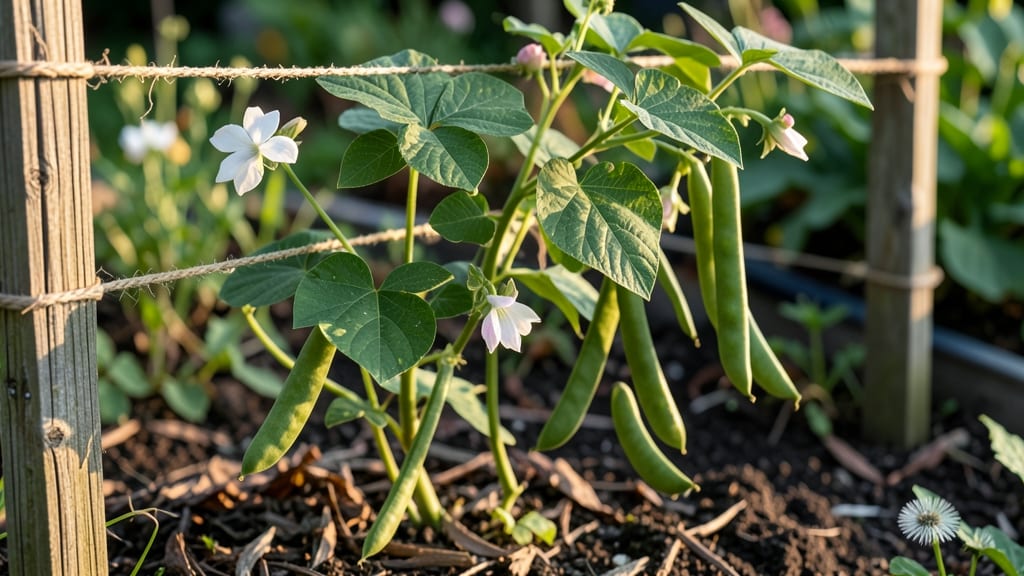
Growing half runner beans from seed gives you a perennial harvest that keeps coming back stronger every year—no replanting needed. 🌱 I learned the hard way that these cold-hardy vines need specific care to thrive, especially in their first season, but once established, they're nearly self-sufficient.
The key is getting them off to the right start with the right soil, spacing, and support.
These beans love cool weather and can handle light frosts, making them perfect for early spring or fall planting in most climates. Start seeds indoors 6-8 weeks before your last frost, or sow directly in the garden when soil reaches 50°F.
They’ll climb 8-10 feet tall, so a sturdy trellis or fence is a must—without support, they’ll sprawl everywhere and produce fewer beans.
By midsummer, you’ll be harvesting tender, stringless pods that taste sweeter than store-bought. The plants reward good care with heavy yields for years, and they’re less prone to pests than bush beans. Just watch for bean beetles and aphids, and keep the soil consistently moist but not soggy.
Once you master half runner beans, you’ll never go back to annual varieties. They’re the ultimate low-maintenance, high-reward crop for gardeners who want reliable harvests with minimal effort. Here’s how to set yours up for success from day one.
📚 In This Guide
- What you need
- Instructions
- Tips and common mistakes
- Wrapping up and next steps
What you need
- ● Seeds: 10–20 Phaseolus coccineus (half runner bean) seeds (organic, non-GMO preferred).
- ● Growing Space: Sunny spot with 6+ hours of direct sunlight (partial shade in hot climates).
- ● Well-draining soil with a pH of 6.0–7.0.
- ● Trellis, fence, or sturdy stakes (6–8 ft tall) for climbing support.
- ○ Soil Amendments (Optional but Helpful): Compost or aged manure (1–2 cups per planting hole).
- ● Balanced fertilizer (5-10-10, 1 tbsp per plant at planting time).
- ● Basic Gardening Tools: Trowel or hand shovel.
- ● Garden gloves (for protection).
- ● Watering can or hose with a gentle spray nozzle.
- ○ Optional Extras: Mulch (straw or shredded leaves) to retain moisture.
- ● Row cover or frost cloth (for early/late-season protection).
- ● Pruning shears (for managing vines later in the season).
Step-by-Step instructions for growing half runner beans
Here's how I grow these cold-hardy vines year after year—stronger each season.
🌱 Step 1: Choose the Perfect Planting Location
Half runner beans thrive in full sun with at least 6-8 hours of direct light daily. I always pick a spot where they'll get morning sun and afternoon shade if summers run hot. The vines need sturdy support, so install a 6-foot tall trellis or teepee framework before planting—these beans climb aggressively and will collapse without support.
Test your soil's drainage by digging a 6-inch deep hole and filling it with water. If it drains in under an hour, your soil is ideal. If water pools after 2 hours, amend with compost to improve aeration. Half runners tolerate poor soil better than most beans, but they reward you with bigger yields when given fertile, well-draining conditions.
🌱 Step 2: Plant Seeds at the Right Depth and Spacing
Sow seeds 1 inch deep and 4-6 inches apart in rows spaced 18-24 inches apart. I like to plant 4-5 seeds per spot and thin to the strongest plant after germination. The key here is patience—don't be tempted to plant deeper for quicker sprouting. Seeds buried too deep struggle to reach the surface, often rotting before emerging.
For cold climates, I start seeds indoors 4-6 weeks before last frost using biodegradable pots. Transplant seedlings outdoors after soil warms to 50°F and all danger of frost has passed. Half runners are surprisingly cold-tolerant—they'll even sprout in 45°F soil—but young plants need protection from late frosts.
☀️ Step 3: Provide Consistent Moisture and Support
Water deeply once weekly during establishment, keeping soil 1-2 inches moist at all times. Once vines reach the trellis, reduce watering to every 10-14 days unless experiencing extreme heat. The secret to half runner success is consistent moisture—they hate drying out but also despise soggy roots. You'll know you've got it right when the soil feels like a well-wrung sponge.
Train vines by gently weaving them through the trellis supports as they grow. I use soft twine to guide leggy stems rather than tying them tightly—half runners are vigorous climbers and will break if restrained too aggressively. Watch for the first flowers to appear about 60-70 days after planting. These will develop into pods within 2-3 weeks.
✂️ Step 4: Harvest and Maintain for Yearly Returns
Pick pods when they're 4-6 inches long and still firm—this encourages more production. I harvest every 2-3 days during peak season to prevent pods from toughening. The beauty of half runners is their ability to produce two harvests per season: the main crop in summer and a second flush in fall if you provide winter protection.
After the first frost, cut back vines to 6 inches tall and mulch heavily with straw. The roots remain alive underground, ready to sprout again in spring. I've had the same plants return for 5+ years with proper winter care. Just remember: never let the soil freeze solid—mulch at least 4 inches deep to insulate the roots.
Tips & tricks for growing half runner beans
These cold-hardy vines reward patience with years of harvests—here's how to maximize their potential.
Location and Light Optimization: While half runner beans tolerate partial shade, you'll get the best yields by positioning them where they receive morning sun and afternoon shade during hot summers. I've found that placing them near taller plants or structures creates a natural shade canopy that prevents wilting while still providing the required 6-8 hours of sunlight. This balance is especially important in regions with intense afternoon sun.
Soil Preparation Secret: The drainage test in Step 1 is crucial—if water pools after 2 hours, mix in compost or coarse sand to improve aeration. I like to add a handful of well-rotted manure or composted leaf mold to the planting hole itself. This creates a nutrient-rich zone right where the roots will establish, giving your plants a strong start. Think of it as giving your beans a "head start" fertilizer.
Indoor Starting Strategy: When starting seeds indoors 4-6 weeks before last frost, use clear plastic domes or seal containers with plastic wrap to maintain humidity. Place them in a warm spot (around 70°F) since half runner seeds germinate best in consistently warm conditions. Once sprouted, move them to a sunny windowsill or under grow lights for 12-14 hours daily. This pre-hardening process helps seedlings transition smoothly to outdoor conditions.
Winter Protection Hack: For that second harvest after frost, cut back vines to 6 inches but leave the roots intact. Then, mound an extra 2-3 inches of straw over the mulch to create an insulating blanket. I've had plants survive winters with temperatures down to 15°F using this method. The key is to protect the crown where new growth will emerge in spring—this is where the magic happens for perennial production.
Pro Tips for Half Runner Beans
- These cold-hardy vines reward patience with years of harvests—here's how to maximize their potential.
- Location and Light Optimization: While half runner beans tolerate partial shade, you'll get the best yields by positi...
- Soil Preparation Secret: The drainage test in Step 1 is crucial—if water pools after 2 hours, mix in compost or coars...
Frequently asked questions
Got questions about growing half runner beans? You’re not alone! These cold-hardy vines are fantastic, but they do have their quirks. Here are answers to the most common queries to help you cultivate a thriving crop.
How long does it take for half runner beans to grow and produce?
Half runner beans typically take 60–70 days from planting to harvest, depending on your climate. They’re faster than full runner beans but slower than bush varieties. Start seeds indoors 2–3 weeks before the last frost for an earlier harvest. Patience pays off—once established, they produce steadily for weeks!
Can half runner beans survive winter in cold climates?
Yes! One of their biggest perks is cold hardiness. They can often overwinter in zones 5–9 with mulch or straw to protect roots. In colder areas, cut back vines in late fall, leaving a few inches above ground. They’ll regrow in spring, giving you a head start on the season.
What’s the best way to train half runner beans up a trellis?
Use a 5–6 foot tall trellis for optimal growth. Plant seeds near the base and gently tie the main stem to the trellis as it climbs. Avoid tying too tightly—let side runners weave naturally. Prune excess side shoots to encourage upward growth and better airflow, reducing disease risk.
Are half runner beans good for canning or freezing?
Their medium-sized pods (4–6 inches) are perfect for canning, freezing, or drying. Harvest young pods for fresh eating, but allow some to mature for seed saving. Blanch pods for 3 minutes before freezing to preserve texture and flavor. For canning, follow USDA guidelines for safe pressure canning.
What pests or diseases should I watch for with half runner beans?
Common pests include bean beetles, aphids, and Japanese beetles. Use row covers early in the season to deter them. Watch for rust or powdery mildew in humid climates—improve airflow with proper spacing and avoid overhead watering. Crop rotation and healthy soil are your best defenses!
Wrapping up and next steps
Growing half runner beans is a rewarding journey—these cold-hardy, perennial vines thrive with minimal fuss and deliver bountiful harvests year after year. Whether you're a beginner or seasoned gardener, their resilience and productivity make them a standout choice for any garden. 🌱
Ready to dig in? Start by marking your calendar for early spring planting (or late winter in mild climates) and watch your vines flourish. With a little patience and care, you’ll soon be enjoying fresh, homegrown beans straight from your garden—what’s not to love? Happy growing! 🌟