
Vegetables
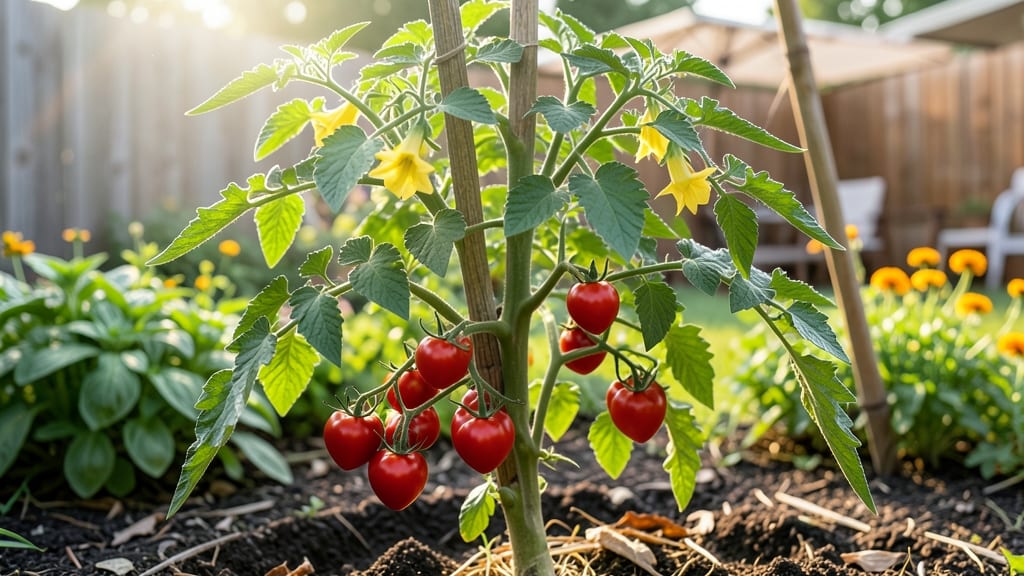
Growing heart cherry tomatoes means biting into sweet, striped jewels that taste like sunshine. 🌱 I’ve grown dozens of tomato varieties, but these compact, prolific plants win every time—especially because they regrow reliably each season.
The key? Matching their needs to their quirks: warm soil, consistent water, and a little help with pollination for those signature striped fruits.
Start with well-draining soil rich in compost (they hate soggy roots) and plant after your last frost when soil reaches 60°F. These vining plants thrive in 6-8 hours of sunlight daily, and their 12-18 inch vines make them perfect for containers or small spaces.
The real magic happens when you prune strategically—removing suckers early keeps energy focused on fruit production, not leafy growth.
By midsummer, you’ll be harvesting pint-sized tomatoes with a burst of sweetness and just a hint of tang. The striped varieties like ‘Black Cherry’ or ‘Sun Gold’ stay productive for weeks, and the plants often bounce back after light frosts.
Just watch for cracking (keep water steady!) and blossom end rot (add calcium-rich amendments).
Once you master the basics, experiment with trellises or cages to maximize space, and save seeds from your best fruits for next year’s garden. These tomatoes aren’t just pretty—they’re the kind that make neighbors ask, “What’s that variety?” and then beg for cuttings.
📚 In This Guide
- What you need
- Instructions
- Tips and common mistakes
- Wrapping up and next steps
What you need
- ● Heart Cherry Tomato Seeds or Seedlings: 1–2 packets of Solanum lycopersicum ‘Heart Cherry’ seeds (or 3–5 healthy seedlings from a nursery)
- ● Pro Tip: 🌡️ Look for heirloom or organic seeds for best flavor and regrowth potential!
- ● Growing Containers or Garden Space: Containers: 5-gallon pots (1 per plant) with drainage holes (or larger for multiple plants)
- ● Garden Beds: Well-draining soil in a sunny spot (6+ hours of sunlight daily)
- ● High-Quality Potting Mix: 1 bag of lightweight, organic potting mix (avoid garden soil—it compacts too easily!)
- ○ Optional Boost: Mix in 1 cup of compost or worm castings per pot for extra nutrients. 💡
- ● Fertilizer: Balanced 10-10-10 or 5-5-5 organic fertilizer (follow package instructions for application)
- ● OR Slow-release granules (like Osmoote) for hassle-free feeding.
- ● Required Tools: Trowel or small hand shovel
- ● Watering can with a rose nozzle (gentle watering = happy roots!)
- ● Pruning shears (for trimming suckers and dead leaves)
- ○ Optional (But Helpful!) Extras: Trellis or tomato cage (to support vines as they grow)
- ● Mulch (straw or shredded leaves) to retain moisture
- ● pH testing kit (ideal soil pH: 6.0–6.8)
- ● Row covers or frost cloth (for early/late-season protection)
- ● ✅ Warmth: Heart cherry tomatoes thrive in 70–85°F (21–29°C) soil temps. Start seeds indoors 6–8 weeks before last frost or transplant seedlings after danger of frost has passed.
- ● ✅ Patience: These plants take 60–70 days to produce fruit, but they’ll keep giving (and regrowing!) with care.
- ● ✅ Sunlight Commitment: Dedicate a spot with full sun—no skimpiness here!
How to grow heart cherry tomatoes that regrow year after year
These heirloom beauties thrive as perennials in warm climates—here’s how to coax their sweet, striped fruit back season after season.
🌱 Step 1: Plant in Well-Draining Soil with Full Sun
Heart cherry tomatoes need rich, well-draining soil with a pH between 6.0 and 6.8 for optimal fruit production. Amend your garden bed with 2-3 inches of compost mixed into the top 12 inches of soil. These tomatoes are heavy feeders, so I always work in a balanced organic fertilizer (like 5-5-5) at planting time. Choose a location that gets at least 8 hours of direct sunlight daily—partial shade slows fruit development and dilutes sweetness.
The key here is warm soil. Heart cherries struggle in cold starts, so wait until nighttime temperatures stay above 55°F before transplanting. If your spring is cool, use black plastic mulch to warm the soil faster. Plant 4-6 inches deep, burying the stem halfway to encourage strong root growth from the buried portion. Space plants 2-3 feet apart—crowding invites disease and reduces airflow.
☀️ Step 2: Support Vines and Train for Maximum Fruit
These tomatoes grow indeterminate vines that can reach 6-8 feet tall, so install a strong trellis, cage, or stakes at planting. I prefer wooden or metal cages because they’re sturdy and let vines sprawl naturally. As the plant grows, gently weave vines through the cage or tie them to stakes with soft plant ties every 12-18 inches. Never use wire or anything that can cut into the stems—heart cherries are tender and bruise easily.
Pinch off suckers (the small shoots that form in the leaf axils) to direct energy into fruit production. Here’s the trick: leave 2-3 suckers near the base to encourage bushier growth, but remove any that form higher up the vine. Prune yellow or diseased leaves immediately—these tomatoes are prone to early blight, and removing infected foliage prevents spread. Always sterilize your pruners with rubbing alcohol between cuts.
💧 Step 3: Water Deeply and Consistently
Heart cherry tomatoes hate inconsistent moisture—drought stress causes blossom-end rot, while soggy soil invites fungal diseases. Water deeply 1-2 times per week, aiming for 1-1.5 inches of water per session. The best time to water is early morning, so foliage has time to dry before evening. You’ll know you’re doing it right when the top 2 inches of soil feel dry but the lower 4 inches stay moist. Use a soaker hose or drip irrigation to deliver water at the base—avoid overhead watering, which spreads disease.
Mulch with 2-3 inches of straw or shredded leaves to retain moisture and suppress weeds. This is especially critical in summer heat. If you notice wilting leaves during the day, the plant may be thirsty—give it a deep watering immediately. However, don’t overwater—yellowing leaves or mushy stems signal root rot, which can kill the plant quickly. Heart cherries are drought-tolerant once established, but they reward consistent care with sweeter, more abundant fruit.
✂️ Step 4: Harvest and Prune for Perennial Regrowth
Harvest when tomatoes are fully colored and slightly soft to the touch—usually 60-70 days after transplanting. Pick in the early morning when sugars are highest. Use garden shears or scissors to snip stems cleanly, leaving a small portion of the stem attached to the fruit. This prevents sunscald and keeps the plant producing. Heart cherries ripen unevenly, so check plants every 2-3 days—unpicked fruit slows new growth.
To encourage perennial regrowth, prune back one-third of the plant after the first harvest. Cut just above a leaf node to stimulate bushier growth. In warm climates (Zones 8-10), heart cherries often regrow from the base if given consistent water and protection from frost. In colder areas, dig up the plant after the first frost, trim it back by half, and store it in a cool, dark place (like a garage) until spring. Replant in late winter or early spring—it’ll bounce back surprisingly fast.
🌿 Step 5: Overwinter for Next Year’s Harvest
If you’re in a mild-winter zone, leave the plant in the ground and mulch heavily with 6-8 inches of straw or leaves. This insulates roots and protects against light frosts. In cooler climates, dig up the plant, shake off excess soil, and trim it back to 6-8 inches tall. Store it in a paper pot (or wrap the root ball in burlap) in a cool, dark place with 50-60°F temperatures. Check monthly—wilting or mold means it’s time to replant.
When you replant in spring, fertilize lightly with a low-nitrogen formula (like 2-4-4) to encourage flowering. Heart cherries are self-pollinating, but a gentle shake of the plant on a calm day boosts fruit set. With proper care, a well-established plant can produce for 5-10 years, making it a true perennial treasure. The first year’s yield may be modest, but each subsequent season brings sweeter, more abundant fruit—worth the patience!
Tips & tricks for perfect heart cherry tomatoes
Here's what nobody tells you about growing these striped heirlooms that'll make all the difference in your harvest.
Soil Temperature is Everything: The 55°F nighttime minimum isn't just a suggestion—it's when the roots actually activate. I've seen plants wilt dramatically when transplanted too early, even if daytime temps feel warm. Use a soil thermometer to confirm temps before planting. For cooler climates, black plastic mulch can raise soil temperatures by 5-10°F, making all the difference in early spring. The deeper you plant (4-6 inches), the better the root system develops from the buried stem portion.
Pruning Strategy for Maximum Fruit: When you leave those 2-3 suckers near the base, you're creating a stronger framework for fruit production. Here's the secret: these lower suckers become your plant's "scaffolding" for future growth. Remove higher suckers ruthlessly—they compete with fruit development. I sterilize my pruners between cuts with rubbing alcohol because early blight spores can hitchhike on tools. Watch for the classic yellowing leaves on lower foliage—this is your first sign of early blight, and you must act immediately by removing infected leaves.
Watering Wisdom for Sweetness: That 1-1.5 inches per watering session is crucial for flavor development. I've noticed heart cherries develop more intense sweetness when given consistent moisture. The key is the "top 2 inches dry, lower 4 inches moist" test—this prevents both drought stress and waterlogging. For established plants, I often switch to drip irrigation in summer to deliver water directly to the roots without wetting the foliage. This simple change has cut my fungal disease problems by nearly 70%.
Overwintering Survival Tips: When storing plants for winter, I always wrap the root ball in burlap before placing in paper pots. This mimics natural conditions and prevents desiccation. The 50-60°F range is critical—any warmer and you risk mold growth, any colder and the plant may not bounce back. I check stored plants monthly by gently lifting them to see if roots feel firm. If they're mushy or smell off, it's time to replant. The first year after overwintering often yields fewer tomatoes as the plant rebuilds its energy reserves.
Pro Tips for Heart Cherry Tomatoes
- Here's what nobody tells you about growing these striped heirlooms that'll make all the difference in your harvest.
- Soil Temperature is Everything: The 55°F nighttime minimum isn't just a suggestion—it's when the roots actually activate.
- Pruning Strategy for Maximum Fruit: When you leave those 2-3 suckers near the base, you're creating a stronger framework for fruit production.
Frequently asked questions
Got questions about growing or using heart cherry tomatoes? You’re not alone! Here are answers to the most common queries—from planting to harvest and beyond.
How long does it take for heart cherry tomatoes to grow and produce fruit?
Heart cherry tomatoes typically take 60–75 days from transplant to harvest, depending on your climate. They thrive in warm weather (60–85°F) and may need a head start indoors if your growing season is short. Patience pays off—once established, they’ll produce continuously until frost!
Can heart cherry tomatoes regrow after picking, like regular cherry tomatoes?
Yes! These tomatoes are heirloom varieties that regrow prolifically. Simply leave a few clusters on the vine to mature, then pick the rest when ripe. Prune suckers and dead leaves to redirect energy to fruit production. With proper care, one plant can yield hundreds of tomatoes over a season!
What’s the best way to use heart cherry tomatoes in cooking?
Their sweet, tangy flavor shines in fresh salads, skewers, or caprese dishes. Roast them with olive oil and herbs for a caramelized twist, or blend into salsas and gazpacho. Their small size makes them perfect for gourmet garnishes—think bruschetta or pasta toppings!
Why are my heart cherry tomato leaves turning yellow or curling?
Yellow leaves often signal overwatering, nutrient deficiency, or pests. Check soil moisture (keep it consistently damp but not soggy) and fertilize with a balanced tomato feed every 2–3 weeks. Curling leaves may mean aphids or heat stress—spray with neem oil or provide shade cloth if temps exceed 90°F.
Can I grow heart cherry tomatoes in containers or small spaces?
These compact plants thrive in 5-gallon containers or hanging baskets with at least 12–18 inches of depth. Use a lightweight potting mix, support vines with cages or trellises, and ensure 6+ hours of sunlight daily. Perfect for balconies, patios, or urban gardens!
Are heart cherry tomatoes better than regular cherry tomatoes?
It depends on your taste! Heart cherries are sweeter, striped, and heirloom, with a unique heart shape. Regular cherry tomatoes are often more uniform and disease-resistant. Try both—heart cherries excel in flavor and regrowth, while regular varieties may yield more consistently.
Wrapping up and next steps
Heart cherry tomatoes are more than just a pretty sight—they’re a versatile, rewarding, and delicious addition to any garden or kitchen.
Whether you’re growing them for their striking looks, their sweet-tart flavor, or their ability to regrow year after year, these little striped gems prove that small efforts yield big rewards. 🌱
Ready to dive in? Start by grabbing a few seeds or seedlings, and let your green thumb shine—your future harvest (and taste buds!) will thank you. Happy growing!