
Vegetables
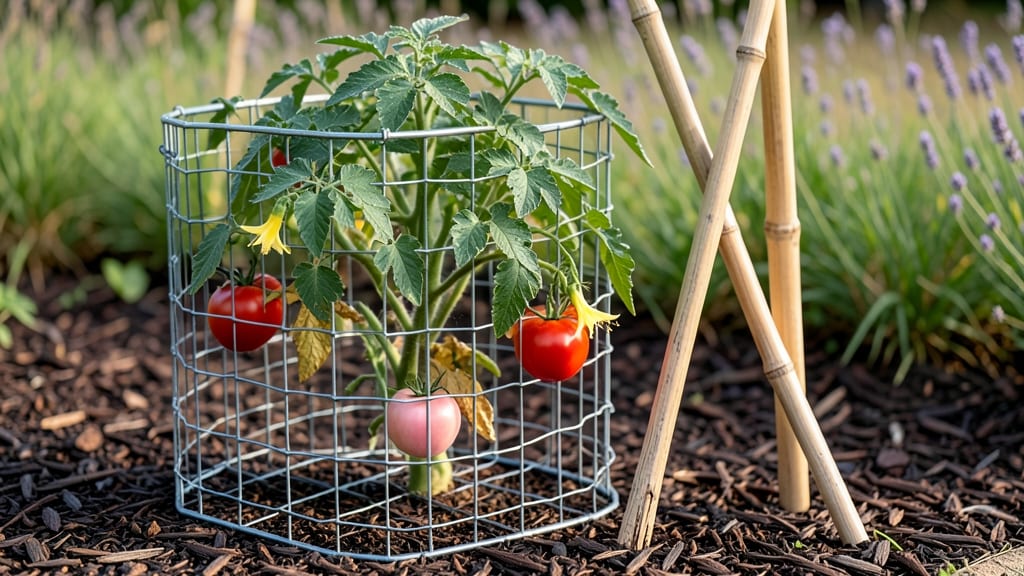
My heavy-duty folding tomato cages saved my sprawling heirloom tomatoes from flopping onto the ground last summer—no more sad, splayed plants or broken stems. 🌱 These cages are the unsung heroes of the vegetable garden, turning wild vines into neat, productive towers while keeping fruits clean and accessible.
The best part? They're not just sturdy—they fold flat when not in use, so you can store them in a corner or even take them with you if you move.
Unlike flimsy wire cages or single stakes, these hold 10+ pounds of fruit without bending, and their wide base prevents tipping in windy conditions. Perfect for busy gardeners who want reliable support without the hassle.
You'll end up with tomatoes that grow straight up, making harvesting easier and reducing disease risk from ground contact. The cages also create better airflow around the plants, which means fewer pests and healthier foliage.
I've tried stakes and trellises, but nothing beats the convenience of these for my 6-foot-tall indeterminate varieties. Works for any garden size, from small containers to large plots. Here's how to choose and use them effectively!
📚 In This Guide
- What you need
- Instructions
- Tips and common mistakes
- Wrapping up and next steps
What you need
- ● Heavy-duty galvanized wire (14- or 16-gauge, 10–12 feet total, depending on cage size)
- ● Wire cutters (for clean, precise cuts)
- ● Pliers (for bending and securing wire)
- ● Measuring tape (to ensure uniform dimensions)
- ● Staple gun + heavy-duty staples (if attaching to fabric or netting)
- ○ Optional fabric or netting (for extra support or pest protection, 1–2 yards)
- ● Zip ties (for securing joints without staples)
- ● Wire mesh panels (pre-cut for easier assembly)
- ● Paint or spray paint (to weatherproof or customize your cage)
- ● Gloves (to protect hands from sharp wire edges)
How to install heavy duty folding tomato cages for maximum support
Here's the straightforward method I use to keep even the tallest tomato plants sturdy and upright.
🪴 Step 1: Choose the Right Location and Timing
Install your cages at planting time—never after the plant is already growing. I like to set them up when the soil is slightly damp but not soggy, usually in the morning when temperatures are mild. This gives the roots a chance to establish before the plant starts putting energy into vines and fruit.
Position cages where they won't block sunlight or wind access. For indeterminate varieties that grow 6-10 feet tall, place the cage 3-4 inches from the stem so the plant can lean against it naturally. If you're growing determinate varieties (4-5 feet max), a slightly smaller cage will work just fine.
🌱 Step 2: Assemble and Position the Cage
Unfold the cage fully and check for any bent or damaged sections—those weak spots will fail under a heavy tomato load. Most heavy-duty folding cages come with a base ring or clips; if yours doesn't, I recommend tying the bottom to a stake or driving a short stake through the center of the cage base for stability.
Push the cage gently into the soil until half its height is buried. This prevents it from tipping in wind or when you brush against it. For extra security, especially in loose soil, I add a 6-inch wooden stake next to the cage and loosely tie the plant to both supports with soft plant ties.
☀️ Step 3: Secure the Plant as It Grows
As your tomato plant grows, gently weave the main stem through the cage's vertical slots. Don't force it—if a vine doesn't fit, wait a day and try again. You'll know you're doing it right when the plant naturally leans against the cage rather than stretching toward it.
When the plant reaches half the cage's height, start tying the main stem to the cage every 12-18 inches using soft plant ties or old fabric strips. This prevents the plant from flopping over when fruit gets heavy. I always check ties weekly—they can tighten as the plant grows and restrict circulation.
✂️ Step 4: Maintain and Reinforce Through the Season
Mid-season is when cages earn their keep. If your plants grow taller than the cage, don't panic—just add a wooden dowel or bamboo stake next to the cage and tie the top vines to it. I've had 8-foot tomatoes thrive this way with minimal extra support.
Watch for signs of stress: if the cage starts leaning or the plant grows away from it, the base may need reinforcing. Add a second stake on the opposite side of the cage and tie it securely to the plant. Also, prune suckers (side shoots) regularly to keep the plant's energy focused on the main stem and fruit.
💧 Step 5: Prepare for Harvest and Winter Storage
When harvest time arrives, avoid leaning on the cages—they're designed for vertical support, not weight-bearing. Instead, hold the plant gently while picking fruit. After harvest, remove any remaining foliage and collapse the cage for storage.
Clean cages thoroughly before storing to prevent disease next season. I like to soak them in a 10% bleach solution for 10 minutes, then rinse and dry completely in the sun. Store them in a dry place where they won't get crushed—your garage or shed works perfectly.
Tips & tricks for sturdy tomato cage support
These practical strategies will help you get the most out of your tomato cages all season long.
Location and Timing Insight: The morning installation timing in Step 1 isn't just about convenience—it's about giving your tomato plant's roots a chance to establish before the plant starts putting energy into vertical growth. I've seen plants struggle when installed during hot afternoons, so aim for that cooler morning window when soil is damp but not soggy. The 3-4 inch spacing from the stem is crucial too; any closer and you'll restrict root growth, any farther and the plant won't get proper support.
Stability Secret: When burying half the cage's height in Step 2, don't just push it in—create a slight trench around the base first. This prevents soil from washing away during watering and gives you a more secure anchor. For windy areas, I've found adding a second 6-inch stake on the opposite side of the cage (not just one) makes a world of difference in preventing leaning. The ties should be loose enough to allow growth but tight enough to prevent flopping.
Growth Management: The 12-18 inch tying interval in Step 3 might seem frequent, but trust me—it's worth it. I learned this the hard way when my first plants developed kinks where ties were too far apart. Use soft plant ties or even old fabric strips; they'll stretch as the plant grows. Pro tip: When you reach the top of your cage and need to add that wooden dowel, make sure to tie it to the cage itself first before attaching to the plant—this creates a triangle of support that's much more stable.
Cleanup Strategy: That 10-minute bleach soak in Step 5 is non-negotiable for next season's health. I've seen rust and mold develop on cages stored damp, so always dry them completely in the sun first. For extra protection, I spray them with a light coat of vegetable oil after drying—this prevents rust without affecting the metal's structural integrity. Store them vertically rather than flat to maintain their shape for next year.
Pro Tips for Heavy Duty Folding Tomato Cages
- These practical strategies will help you get the most out of your tomato cages all season long.
- I've seen plants struggle when installed during hot afternoons, so aim for that cooler morning window when soil is damp but not soggy.
- Stability Secret: When burying half the cage's height in Step 2, don't just push it in—create a slight trench around the base first.
Frequently asked questions
Got questions about heavy-duty folding tomato cages? You’re not alone! Here are answers to the most common ones to help you grow like a pro:
What size tomato cage is best for indeterminate vs. determinate tomatoes?
Indeterminate tomatoes (vining varieties like Cherry or Beefsteak) need 6–8 feet tall cages to support their towering growth. Determinate tomatoes (bushier types like Roma) thrive in 4–5 feet cages. Always check your plant’s expected height—overcrowding leads to disease and weak stems!
When should I install tomato cages for maximum support?
Install cages at planting time or when seedlings are 6–8 inches tall. Burying 6–8 inches of the cage into the soil (or securing it with stakes) prevents toppling. If you wait until vines are sprawling, you risk blossom-end rot or broken stems when securing cages later.
How do heavy-duty cages compare to stakes or trellises?
Cages offer hands-free support and airflow, reducing disease risk. Stakes require tying vines (time-consuming but great for space-saving). Trellises (like A-frame designs) work for heavy varieties but need more assembly. Cages win for ease + durability—just ensure they’re galvanized steel or powder-coated to resist rust!
Why is my tomato plant leaning or falling over even with a cage?
Leaning often means root-bound roots or weak stems from overwatering. Check for:
- Secure anchoring: Bury the cage deeper or add stakes.
- Pruning: Remove suckers to focus energy on main stems.
- Watering: Deep water 1–2x/week (not daily) to avoid soggy soil.
Can I reuse folding tomato cages year after year?
Clean cages with a 10% bleach solution (1 part bleach to 9 parts water) after harvest to kill pests/disease. Store them dry in a shed or garage. Pro tip: If rust appears, swap out old cages—corrosion weakens support and can harbor bacteria.
Wrapping up and next steps
Investing in heavy-duty folding tomato cages is a game-changer for gardeners aiming to grow thriving, productive tomato plants—without the hassle of flimsy supports. These sturdy cages provide the perfect balance of durability, flexibility, and ease of use, ensuring your vines stay upright and your harvest remains bountiful.
Whether you’re a seasoned gardener or just starting, upgrading to a high-quality cage simplifies maintenance and maximizes your garden’s potential.
Ready to elevate your gardening game? Start by selecting the right size and material for your space, then set up your cages early in the season. Your tomatoes will thank you with juicy, vine-ripened rewards—happy growing! 🌱