
Vegetables
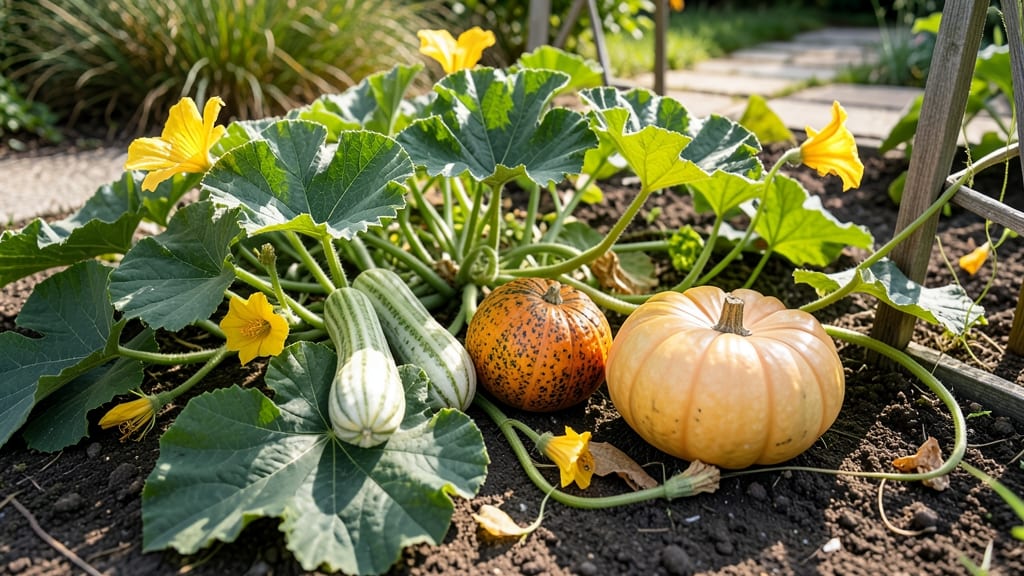
Fifteen heirloom squash varieties can turn your garden into a fall color palette. 🌻 From the deep orange blush of 'Sugar Pie' to the golden ridges of 'Turban', each type brings something unique to your table.
I've grown them all—some for their sweet flesh, others for their ability to last through winter, and a few just for the sheer joy of watching them ripen. The secret to success lies in matching the right variety to your space and goals.
Compact 'Table Queen' thrives in small gardens, while 'Mammoth Melon' needs room to sprawl. Most prefer full sun and well-draining soil, but their flavor profiles vary wildly—some are nutty, others buttery, and a few even taste like sweet potatoes when roasted.
By late summer, you'll be harvesting squash that outshines store-bought varieties in both taste and texture. The key is knowing when to pick them (when the skin toughens) and how to store them (cool, dark, and dry).
I've learned which ones keep for months and which ones need eating within weeks. Whether you're growing for fresh eating, baking, or long-term storage, these heirlooms deliver. Let's dive into the specifics of each variety and how to grow them like a pro!
📚 In This Guide
- What you need
- Instructions
- Tips and common mistakes
- Wrapping up and next steps
What you need
- ● Heirloom squash seeds: Choose 1–3 varieties (e.g., Delicata, Hubbard, or Turban) based on your climate and storage goals. Start with 5–10 seeds per variety for a small harvest.
- ● Well-draining soil: A mix of 60% topsoil, 30% compost, and 10% perlite or sand (pH 6.0–7.0). Test soil fertility with a soil test kit.
- ● Garden space: Direct sunlight: 6–8 hours/day in a sunny spot (south-facing ideal).
- ● Space: 3–5 feet between plants (or 18–24 inches apart in rows spaced 4–5 feet apart).
- ● Watering supplies: Drip irrigation system (recommended) or a watering can with a rose attachment (1–2 gallons per plant, 2–3 times/week).
- ● Mulch: 2–3 inches of straw or shredded leaves to retain moisture and suppress weeds.
- ● Fertilizer: Organic compost (5–10 lbs per 100 sq ft) or a balanced fertilizer (10-10-10) applied at planting and mid-season.
- ● Calcium supplement (e.g., crushed eggshells or lime) to prevent blossom-end rot.
- ● Garden trellis or cages: For vining varieties like Butternut or Spaghetti squash (saves space and improves air circulation).
- ● Row covers: Lightweight fabric to protect seedlings from pests (e.g., cucumber beetles).
- ● Pruning shears: For trimming excess vines or dead leaves to redirect energy to fruit production.
- ● Harvesting tools: A sharp knife or pruners for clean cuts (leave 1–2 inches of stem attached).
- ● Garden gloves (heirloom squash can have prickly skins!).
- ● Storage solutions: Cool, dry space (50–55°F) with high humidity (70–80%) (e.g., basement, root cellar, or paper bags with holes).
- ● Wooden crates or burlap sacks for airflow during curing (10–14 days post-harvest).
How to select and grow heirloom squash varieties like a pro
Here's how I narrow down the best heirloom squash for your garden—whether you prioritize storage, flavor, or vibrant color.
🌱 Step 1: Choose Your Squash Type Based on Growing Needs
Heirloom squash fall into three main categories: winter (hard-shelled, long storage), summer (tender, quick harvest), and ornamental (edible but decorative). I always start by matching the variety to my climate and goals. Winter types like Hubbard or Turk's Turban need 90-100 frost-free days and handle cooler nights, while summer squash like Zucchini 'Black Beauty' or Pattypan 'Sunburst' mature in just 45-55 days.
For beginners, I recommend starting with summer squash—they're more forgiving and produce faster. If you love baking or soups, winter squash like Butternut 'Long Island Cheese' or Spaghetti 'Vegetable Delight' are worth the wait. Check your last frost date and count backward—most heirlooms need 75-120 days to full maturity.
☀️ Step 2: Plant for Maximum Yield and Disease Resistance
Heirloom squash thrive in full sun (at least 6-8 hours daily) and warm soil. I always wait until soil reaches 70°F before planting—cold soil delays germination. Use hill planting: mound soil into a small pyramid, plant seeds 1 inch deep, and space hills 3-5 feet apart to give vines room to sprawl.
For extra protection, I plant bush varieties like 'Eight Ball' Zucchini in containers or small gardens. Vining types need trellises or strong cages to keep fruit off the ground. Thin seedlings to 2-3 strong plants per hill—crowding leads to weak stems and disease. Watch for powdery mildew (white spots on leaves) and treat early with neem oil.
💧 Step 3: Master Watering and Soil Care for Sweet Fruit
Consistent moisture is key—1-2 inches of water weekly, delivered at the soil base (not leaves) to prevent fungal issues. I water deeply in the morning and mulch heavily with straw to retain moisture and keep roots cool. Overwatering causes blossom-end rot, while drought stress makes squash tough and seedy.
Feed plants every 2-3 weeks with a balanced organic fertilizer (like 5-5-5) once vines start running. Avoid high-nitrogen fertilizers—they boost leaves at the expense of fruit. You'll know you're doing it right when vines spread aggressively and flowers appear within 4-6 weeks of planting.
✂️ Step 4: Harvest at Peak Ripeness for Best Flavor
Summer squash (like zucchini) are ready when 2-4 inches long and skin is tender—harvest daily to encourage more production. Winter squash take longer: Butternut is ripe when the rind can't be pierced with a fingernail, and Hubbard develops a hard shell and deep color. Cut stems with pruners to avoid damaging vines.
For storage, cure winter squash in a warm (80-85°F), dry place for 10 days to toughen the skin. Then store in a cool (50-55°F), dark spot where they’ll keep for 2-6 months. I always save seeds from my best specimens—heirlooms are at their finest when grown from your own harvest.
🌿 Step 5: Extend Your Season with Simple Tricks
Protect young plants from early frost with row covers or cloches. For late-season harvests, I plant 'Cocozelle' Zucchini or 'Delicata'—both tolerate cooler temps better than most heirlooms. In warm climates, succession plant every 2-3 weeks for continuous harvests. Save space by growing compact varieties like 'Tromboncino' Zucchini (a mini, bush-type summer squash).
Rotate crops yearly to prevent soil-borne diseases. I keep notes on which varieties thrive in my garden—some years 'Blue Hubbard' dominates, others 'Warty' Gourd' steals the show. The key is experimentation: try one new heirloom each season and let your taste buds (and storage bin) guide you.
Tips & tricks for perfect heirloom squash selection
Here's what I've learned after growing heirlooms for years—these tricks make all the difference between a good harvest and a spectacular one.
Climate Matching: Pay close attention to your frost-free days when selecting varieties. For example, if you have only 80 frost-free days, skip the 90-100 day winter types like Hubbard and opt for summer varieties like 'Black Beauty' zucchini that mature in 45-55 days. I once planted 'Turk's Turban' in a short season and ended up with tiny, underdeveloped squash—don't make that mistake!
Soil Prep Secret: Heirloom squash thrive in well-draining soil with a pH of 6.0-7.0. Before planting, mix in compost or aged manure to enrich the soil—this gives you sweet, flavorful fruit instead of bland, watery squash. I test my soil every year and adjust with lime if needed. The 70°F soil temperature mentioned in Step 2 is crucial for germination, so use a soil thermometer if your climate is unpredictable.
Varietal Pairing: Combine different types in your garden for continuous harvests. Plant fast-maturing 'Eight Ball' zucchini alongside slower winter varieties like 'Long Island Cheese' butternut. This way, you'll have summer squash ready in 4-6 weeks while waiting for the winter squash to mature. I also interplant with herbs like basil to repel pests naturally—it works surprisingly well!
Storage Curing Tip: That 10-day curing period at 80-85°F in Step 4 is non-negotiable for winter squash. I cure mine on a screened shelf in my garage where it stays warm and dry. The curing process toughens the skin and concentrates sugars, making the flavor sweeter. After curing, store in a cool (50-55°F) dark place—never refrigerate until you're ready to use them, as cold temperatures break down their natural sugars.
Pro Tips for Heirloom Squash Types
- Here's what I've learned after growing heirlooms for years—these tricks make all the difference between a good harves...
- Climate Matching: Pay close attention to your frost-free days when selecting varieties. For example, if you have only...
- Soil Prep Secret: Heirloom squash thrive in well-draining soil with a pH of 6.0-7.0. Before planting, mix in compost ...
Frequently asked questions
Got questions about heirloom squash? You’re not alone! Here are some of the most common queries—plus quick, practical answers to help you grow, store, and enjoy these vibrant varieties like a pro.
What’s the easiest heirloom squash to grow for beginners?
Start with Butternut or Delicata squash—they’re hardy, fast-growing (60–90 days), and forgiving. Delicata is especially beginner-friendly because it doesn’t need a trellis and its skin is edible, so no peeling required! Just give them full sun and well-draining soil.
How do I know when heirloom squash is fully ripe?
Look for these signs: hard skin (press a fingernail—it shouldn’t dent), deep color (no green patches), and a dull rattle when shaken. For varieties like Carnival or Warty, the skin should be fully matured and firm. Pro tip: Harvest before the first frost to avoid soft spots!
Can I store heirloom squash for winter, and how?
Yes! Most heirloom squash (like Acorn or Hubbard) store well in a cool (50–55°F), dry, and dark spot for 2–6 months. Cure them first: Place in sunlight for 7–10 days to harden the skin, then brush off dirt. Avoid refrigeration—it speeds up spoilage. Fun fact: Turban squash lasts even longer thanks to its thick rind!
What’s a good heirloom squash substitute if I can’t find one?
Swap heirloom for commercial varieties with similar traits:
- Butternut → Sugar Pie or Long Island Cheese (same sweet, nutty flavor)
- Acorn → Sweet Dumpling (small, dense, and versatile)
- Delicata → Kabocha (Japanese pumpkin; edible skin, great roasted)
Why are my heirloom squash developing soft spots or mold?
Soft spots or mold usually mean overwatering, poor airflow, or disease. Space plants 3–5 feet apart for circulation, water at the base (not leaves), and remove any squash touching the soil to prevent rot. If mold appears, toss it immediately—don’t risk spreading powdery mildew or blight. Prevention tip: Use mulch to keep soil dry and healthy!
Wrapping up and next steps
From vibrant Cinderella to sweet Delicata, heirloom squash varieties bring color, flavor, and versatility to your table—and your storage pantry! 🌈 Whether you’re a seasoned gardener or a curious home cook, these 15 types offer endless possibilities for soups, roasts, and even pies.
Now that you’ve explored their unique traits, why not pick one (or three!) to grow or cook with this season?
Start small: plant a few seeds, try a new recipe, or share your harvest with neighbors. The joy of heirloom squash isn’t just in their beauty—it’s in the stories they help you create. Happy growing (and eating)! 🍂