
Vegetables
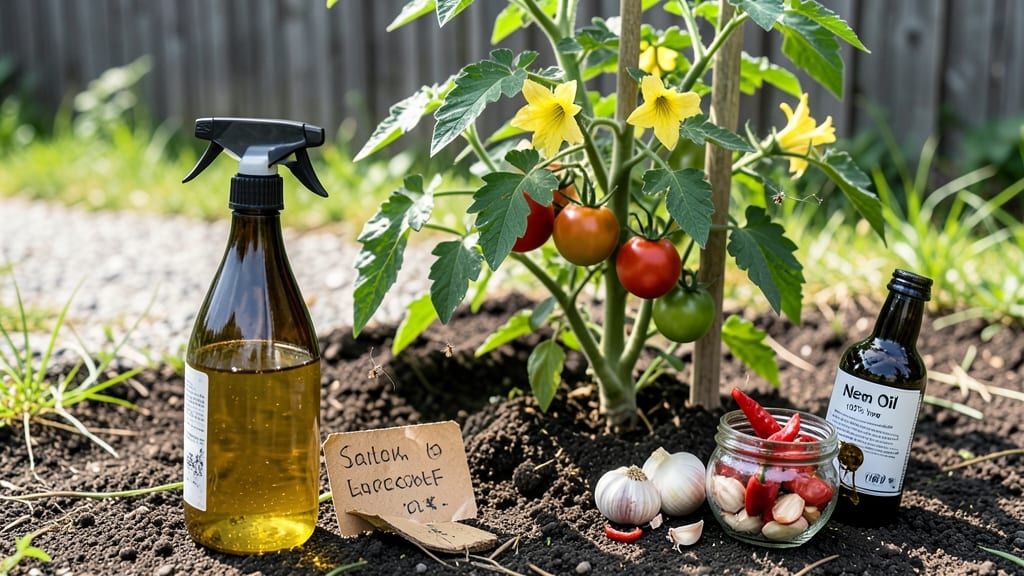
A homemade tomato pesticide can save your garden from pests without harsh chemicals—just a few kitchen staples and 10 minutes to mix up a spray that works better than anything you can buy. 🌱 Last summer, my heirloom tomatoes were under siege by aphids and hornworms until I discovered this homemade tomato pesticide that saved my harvest without harming bees or the soil.
The magic lies in simple ingredients like neem oil, garlic, or castile soap, each targeting pests differently. Neem disrupts insect life cycles, garlic repels with its pungent smell, and soap suffocates soft-bodied bugs on contact. No fancy equipment needed—just a spray bottle and a little elbow grease.
You’ll see results within 24 hours of application: fewer pests, healthier leaves, and tomatoes that stay blemish-free. The best part? This spray is certified organic, safe for edible plants, and won’t leave harmful residues on your fruit.
Works for all tomato varieties, from cherry to beefsteak, and tackles common pests like aphids, whiteflies, and even early signs of blight. Ready to protect your garden the natural way?
📚 In This Guide
- What you need
- Instructions
- Tips and common mistakes
- Wrapping up and next steps
What you need
- ● 1 gallon (3.8 liters) of water (preferably distilled or rainwater for best results)
- ● 1 tablespoon (15 mL) of liquid dish soap (mild, like Dawn—no degreasers!)
- ● 1 tablespoon (15 mL) of white vinegar (5% acetic acid)
- ○ 1 tablespoon (15 mL) of vegetable oil or neem oil (optional but helps smother pests)
- ● 1 crushed garlic clove or 1 teaspoon (5 mL) garlic powder (natural pest repellent)
- ● 1 teaspoon (5 mL) of cayenne pepper or hot sauce (spicy kick to deter bugs!)
- ● Spray bottle (16–32 oz / 500–1000 mL) (or a clean, empty pesticide bottle for larger batches)
- ● Mixing bowl or large container (non-reactive, like glass or stainless steel)
- ● Wooden spoon or whisk (for stirring)
- ● Fine mesh strainer or cheesecloth (to filter out solids if using fresh garlic/pepper)
- ○ Gloves (optional) (if you’re sensitive to vinegar or oils)
Step-by-step instructions for making homemade tomato pesticide
Here’s my go-to garden-safe spray that keeps pests off tomatoes without harming plants or pollinators.
🌿 Step 1: Gather the Right Materials
You’ll need 1 gallon of water, 2 tablespoons of pure castile soap (unscented, liquid), 1 tablespoon of neem oil, and 1 teaspoon of garlic oil (or 1 crushed garlic clove for a milder option). The soap helps the mixture cling to leaves, while neem and garlic repel pests naturally. I always use a glass spray bottle—plastic can degrade over time with these oils.
Mix the soap and oils first in a separate container, then add water. Shake gently to combine—no suds yet. This pre-mix ensures even distribution when you add it to the spray bottle. Store any unused mixture in a sealed container for up to 2 weeks in a cool, dark place.
💧 Step 2: Prepare the Spray Bottle
Fill your 1-gallon spray bottle with the pre-mixed solution. Shake well before each use—oils separate quickly. For best results, spray early in the morning when pests are least active and the sun isn’t too intense. This gives the mixture time to dry without burning foliage.
Test the spray on a small leaf first. If you see white residue or wilting, dilute with ½ cup more water and shake again. The solution should feel slightly tacky when dry—this helps repel insects without harming plants.
☀️ Step 3: Apply to Tomato Plants
Spray both sides of leaves and stems until lightly glistening—don’t drench. Focus on undersides of leaves where pests like aphids and spider mites hide. I avoid spraying open flowers to protect pollinators. Reapply every 5–7 days or after rain, as oils break down quickly.
For severe infestations, add 1 teaspoon of cayenne pepper (mixed into the pre-mix) to deter chewing insects like hornworms. Shake well before spraying—pepper particles can clog nozzles. Always spray in calm conditions to prevent drift onto unwanted plants.
✂️ Step 4: Maintain and Monitor
Check plants daily for new pests. If you see yellowing leaves or sticky residue (honeydew), pests may be returning—reapply immediately. Rotate with companion planting (like basil or marigolds) to boost natural pest control.
Store leftover spray in a dark glass bottle in the fridge. Discard after 2 weeks—oils degrade and can harm plants if overused. I keep a small batch on hand for quick touch-ups, but always make fresh spray when treating new plants.
Tips & tricks for perfect homemade tomato spray
Here's what I've learned after perfecting this garden-safe solution for years—small details make all the difference.
Soap Selection Matters: Not all castile soaps work equally well. Look for 100% pure, unscented liquid soap—fragrances can irritate plants. I use Dr. Bronner's, but any organic, glycerin-free option will work. The soap needs to be liquid and unscented to avoid harming your plants while still providing that clinging action. If you accidentally grab a scented version, dilute it with an extra ¼ cup water to reduce potency.
Oil Separation is Your Enemy: The oils in this mixture separate quickly, so shake vigorously for 30 seconds before each use. I like to give the bottle a quick shake right before spraying—this ensures the neem and garlic oils are evenly distributed. For extra insurance, store your pre-mix in a glass jar with a tight lid and shake it every time you open it, even if you're not using it immediately.
Timing is Everything: The 5–7 day reapplication window is crucial—oils break down in sunlight and rain, losing effectiveness. I set a reminder on my phone for every 6 days to stay consistent. If you notice pests returning before your next scheduled spray, check the weather first. Heavy rain or high humidity can wash away the spray faster than usual.
Leaf Testing Prevents Disasters: That small leaf test in Step 2 isn't optional—it's your safety net. If you see white residue after spraying, it means the soap concentration is too high. The solution should feel slightly tacky when dry, not leave a chalky film. This test also helps you adjust the dilution if you're working with particularly sensitive tomato varieties.
Pro Tips for Homemade Tomato Pesticide
- Here's what I've learned after perfecting this garden-safe solution for years—small details make all the difference.
- Soap Selection Matters: Not all castile soaps work equally well.
- Oil Separation is Your Enemy: The oils in this mixture separate quickly, so shake vigorously for 30 seconds before each use.
Frequently asked questions
Got questions about whipping up your own homemade tomato pesticide? You’re not alone! Here are answers to the most common queries to help you garden like a pro—without harsh chemicals.
How often should I spray homemade tomato pesticide?
For best results, spray your tomato plants every 5–7 days or after heavy rain. Early morning is ideal—it gives the solution time to dry before the sun peaks. Consistency is key! If pests are severe, increase to every 3–4 days until they’re gone. Always test a small leaf first to avoid over-saturating.
How long does it take to see results?
Patience is a virtue! You may notice a difference in 3–7 days, but full pest control can take 2–3 weeks of regular spraying. Factors like weather, pest severity, and plant health play a role. If pests persist after 3 weeks, try a garlic-chili blend or rotate with neem oil for extra potency.
Will this spray harm my tomato plants or fruit?
When used correctly, homemade tomato pesticides are safe for plants and edible fruit. However, avoid spraying directly on blooms or fruit to prevent residue. Stick to leaves and stems. If you’re worried, rinse fruit thoroughly before eating. Always patch-test a few leaves first to check for sensitivity.
What if my homemade spray stops working?
If pests return, don’t panic! First, reapply the spray more frequently (daily for a week). If that fails, try a different recipe—like a soapy water mix or neem oil solution. Check for hidden pests (like aphids on undersides of leaves) and remove them manually. Rotate recipes every few weeks to prevent pest resistance.
Can I use this on other vegetables besides tomatoes?
This spray works wonders on peppers, eggplants, cucumbers, and herbs too. Just adjust the ratio slightly—more garlic or chili for tougher pests like squash bugs, and less soap for delicate plants like basil. Always dilute properly and avoid spraying flowers if you want to preserve pollinators.
Wrapping up and next steps
Creating your own homemade tomato pesticide is a simple, eco-friendly way to protect your garden without harsh chemicals. 🌱 With just a few kitchen staples, you can keep pests at bay while nurturing healthier plants. The best part? These sprays are safe for your family, pets, and the environment!
Ready to take the next step? Start small—test your spray on a few plants first, observe results, and adjust as needed. Once you see those pests retreat, you’ll be inspired to expand your natural pest-control toolkit. Happy gardening!