
Vegetables
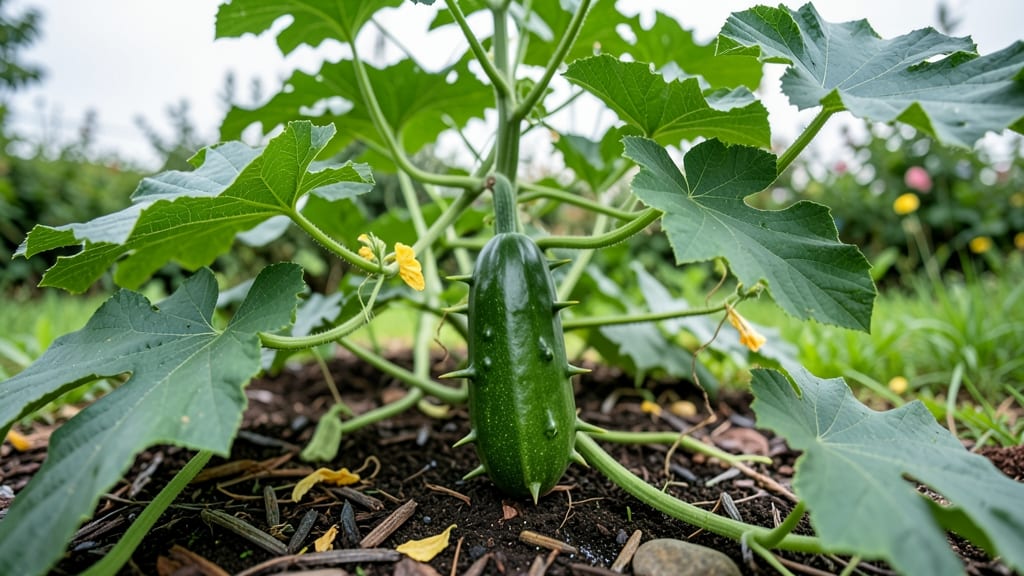
Growing horned melon green vines transforms your garden into a tropical escape. 🌿 The kiwano's vibrant foliage and quirky fruit take 18 months to reward your patience, but the journey is half the fun—especially when you watch those spiky green orbs form. This isn’t your average vine.
It thrives in warm climates but can also coax summer-long growth in containers if you bring it indoors before frost. The key? Mimicking its native tropical habitat: rich, well-draining soil, bright light, and consistent moisture that keeps roots happy without drowning them.
By summer’s end, you’ll be harvesting those jelly-filled melons straight from the vine—no store-bought substitutes needed. The foliage stays lush and disease-resistant when you catch problems early, like yellowing leaves or aphid clusters, which respond well to neem oil or a simple spray of water.
Here’s the twist: the green you’re after isn’t just about pretty leaves. Healthy kiwano vines develop deep, glossy foliage that tells you everything—from nutrient needs to pest alerts. Prune regularly to encourage bushier growth, and watch as the vines climb, sprawl, or cascade, depending on how you train them.
Perfect for adventurous gardeners who love a challenge. Whether you’re growing in pots on a balcony or letting it sprawl in a sunny corner of your yard, this tropical beauty delivers both drama and delicious surprises. Let’s get those vines thriving!
📚 In This Guide
- What you need
- Instructions
- Tips and common mistakes
- Wrapping up and next steps
What you need
- ● Horned Melon Seeds: 3–5 seeds (start with a few to test your growing conditions).
- ● Growing Containers: Large pots (10–12 inches deep) or
- ● Garden beds (if in USDA Zones 9–11; otherwise, grow in containers).
- ● Potting Mix: Well-draining, organic mix (e.g., 60% coco coir, 30% perlite, 10% compost).
- ● Support Structure: Trellis, tomato cage, or sturdy stakes (vines grow 10–15 feet!).
- ● Fertilizer: Balanced organic fertilizer (10-10-10) or compost tea (apply every 4–6 weeks).
- ● Watering Can or Drip System: For consistent moisture (kiwano hates soggy roots!).
- ● Pruning Shears: For trimming vines (sterilize with rubbing alcohol).
- ● pH Test Kit: Ideal soil pH: 6.0–6.8 (kiwano loves slightly acidic soil!).
- ● Row Covers: Frost protection for early/late seasons (if growing outdoors in cooler zones).
- ● Grow Lights: Supplemental LED lights (12–14 hours/day) for indoor setups.
- ● Harvest Gloves: The spiky fruit is fun but prickly!
Step-by-step instructions for growing horned melon vines
Ready to grow these quirky tropical vines? Here's my foolproof method for thriving horned melon plants.
🌱 Step 1: Start Seeds Indoors 12-14 Weeks Before Last Frost
Horned melon seeds need warmth to germinate, so I start mine indoors using a seedling heat mat set to 75-80°F. Fill 2-3 inch deep biodegradable pots with sterile seed-starting mix—never garden soil, as it can harbor diseases. Plant 1-2 seeds per pot just ¼ inch deep, since they need light to germinate properly.
Cover the pots with clear plastic wrap to retain moisture and warmth, then place them under grow lights (14-16 hours daily). Keep the soil consistently moist but never soggy—you'll know it's right when the surface feels damp but not dripping. Germination typically takes 7-14 days, though some seeds may take longer.
☀️ Step 2: Harden Off Seedlings Before Transplanting
Once seedlings develop 2-3 true leaves (not just the initial seed leaves), it's time to harden them off. Start by moving them outside for 1-2 hours in a sheltered spot, gradually increasing their time outdoors over 7-10 days. This slows their growth, toughens their stems, and prevents transplant shock.
Watch for wilting or yellowing leaves—this means they're getting too much sun too soon. A good rule of thumb is to match their outdoor time to the weather: mild days mean longer exposure, while hot or windy days require shorter sessions. After a full week of 8+ hours outside, they're ready for the garden.
🪴 Step 3: Plant in Warm, Well-Draining Soil
Horned melons thrive in full sun (6+ hours daily) and warm soil—they won’t grow well if temperatures drop below 60°F. Choose a spot with loamy, well-draining soil and mix in 2-3 inches of compost to enrich it. Space plants 3-4 feet apart since they’ll spread vigorously.
Dig a hole slightly deeper than the seedling’s root ball and place the plant in, backfilling with soil while gently pressing down to remove air pockets. Water deeply right after planting to settle the roots, but avoid overwatering—these vines hate soggy conditions. Mulch around the base with 2-3 inches of straw to retain moisture and regulate soil temperature.
💧 Step 4: Water and Fertilize for Strong Vines
Water horned melons deeply 1-2 times per week, letting the soil dry out slightly between waterings. You’ll know it’s time when the top 1-2 inches feel dry to the touch. Avoid wetting the leaves to prevent fungal diseases—water at the base instead. A drip irrigation system works best for consistent moisture.
Feed plants every 4-6 weeks with a balanced liquid fertilizer (10-10-10) diluted to half strength. Stop fertilizing once flowers appear to encourage fruiting. Prune leggy growth early to promote bushier vines—pinch back the tips of new shoots to redirect energy into stronger stems and more flowers.
✂️ Step 5: Support Vines and Harvest Fruit
As vines grow, they’ll need strong trellises or stakes—these melons can reach 15-20 feet if left unchecked. Train them upward by gently tying stems to supports with soft plant ties. Remove any suckers (side shoots) that form at the base to focus energy on fruit production.
Harvest when the fruit turns yellow-green with spiky protrusions—this usually takes 18-24 months from seed. Cut stems with 2-3 inches of attached vine to prevent damage. Store in a cool, dry place for up to 2 weeks. The longer you wait, the sweeter they get, but they’ll soften and spoil if left too long on the vine.
Tips & tricks for perfect horned melon growth
These simple strategies will help you avoid common pitfalls and grow thriving horned melon vines.
Heat Mat Precision: The 75-80°F heat mat temperature is crucial for germination—any cooler and seeds may take weeks longer to sprout. I've found that placing the heat mat on a thermostat-controlled heating pad helps maintain consistent warmth. If your home gets chilly at night, consider adding a small space heater with a timer to keep temps stable during the 14-16 hours of daily light exposure.
Harden Off Gradually: When increasing outdoor time during hardening off, I recommend using a shade cloth on sunnier days to prevent leaf scorch. Start with just 1 hour in partial shade, then slowly move to full sun as the plants toughen. Watch for subtle signs like slightly curled leaf edges—this means they're adjusting well to the transition.
Soil Temperature Check: Before planting, test your soil temperature with a soil thermometer. Horned melons won't thrive below 60°F, so if your spring is cool, consider using black plastic mulch to warm the soil faster. I've had success with this method in zones with late frosts—it can add 5-10°F to soil temperature on sunny days.
Pruning Strategy: When pinching back leggy growth in Step 4, focus on removing the top 1-2 inches of new shoots just above a leaf node. This encourages bushier growth while maintaining the plant's natural shape. I've found that doing this every 4-6 weeks (when you'd normally fertilize) gives the best balance between growth and fruiting.
Pro Tips for Horned Melon Green
- These simple strategies will help you avoid common pitfalls and grow thriving horned melon vines.
- Heat Mat Precision: The 75-80°F heat mat temperature is crucial for germination—any cooler and seeds may take weeks longer to sprout.
- Harden Off Gradually: When increasing outdoor time during hardening off, I recommend using a shade cloth on sunnier days to prevent leaf scorch.
Frequently asked questions
How long does it take for horned melon vines to produce green fruit?
The horned melon green (kiwano) typically starts producing fruit 18–24 months after planting, though some varieties may yield sooner in ideal conditions (warmth, full sun, and well-draining soil). Patience pays off—once established, vines can reward you with fruit for years!
Can I grow horned melons in containers, or do they need a garden bed?
Horned melons thrive in large containers (15+ gallons) with drainage holes, making them perfect for patios or balconies. Just ensure the pot gets 6+ hours of sunlight daily and use a lightweight potting mix. Trellising is key—vines can sprawl 10+ feet!
Why aren’t my horned melon vines flowering or fruiting?
Common culprits include cool temperatures (<50°F/10°C halts growth), poor pollination (hand-pollinate with a brush if bees are scarce), or nutrient deficiencies (add compost or a balanced fertilizer). Ensure vines get consistent water and prune leggy growth to encourage flowering.
How do I know when horned melons are ripe and ready to harvest?
Ripe horned melons turn bright green with a slight yellowing and feel firm but soft when gently squeezed. The spiky exterior may also look plump and glossy. Harvest with pruning shears to avoid damaging the vine—then slice open for that lime-cucumber-citrus surprise!
What can I do if my horned melon plant gets pests or diseases?
Watch for aphids, spider mites, or powdery mildew—common in humid climates. Treat aphids with soapy water; for mildew, improve airflow and spray with neem oil. Prevent root rot by avoiding overwatering and using raised beds or containers. Healthy soil = happy vines!
Wrapping up and next steps
Growing horned melon green is a rewarding adventure—packed with exotic flavors, vibrant greens, and a harvest in just 18 months! Whether you’re drawn to its unique taste, nutritional benefits, or the joy of nurturing a tropical vine, this fast-growing plant proves that patience pays off. 🌱
Ready to dive in? Start by gathering your supplies, pick the perfect spot, and let your green thumb shine. Your first harvest could be just around the corner! Share your progress or recipes with fellow gardening enthusiasts—every step is a celebration of nature’s bounty.