
Vegetables
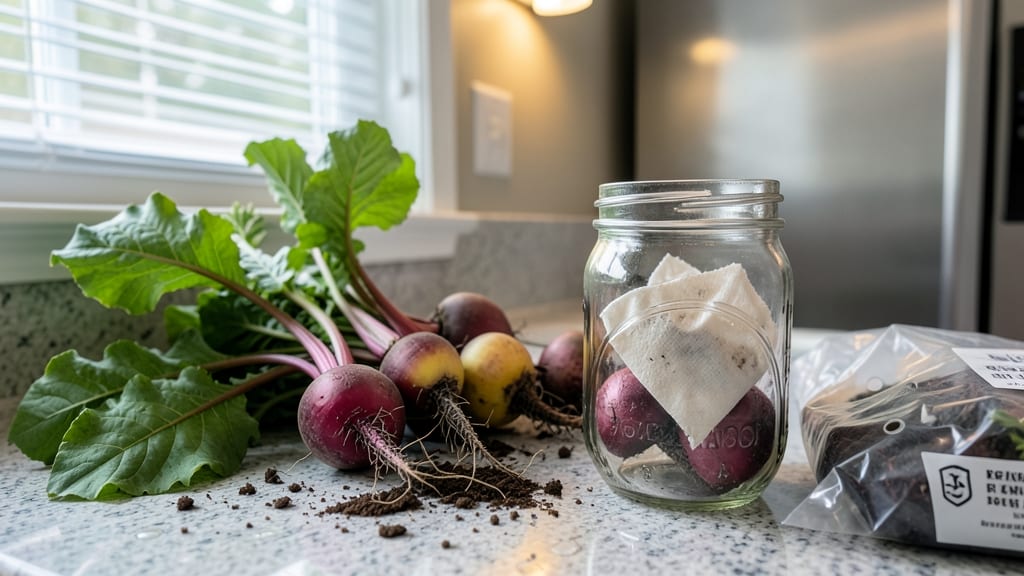
Storing freshly harvested beets keeps that sweet, earthy crunch for up to 2 weeks—no more rubbery, woody roots in your salad. I’ve learned the hard way that how you store them makes all the difference between vibrant beets and sad, limp ones.
The secret lies in keeping them dry, cool, and protected from light, whether you’re storing whole roots, sliced beets, or even cooked ones.
For whole beets, trim the greens to 1 inch and store them in a plastic bag with a paper towel to absorb moisture. Place them in the crisper drawer of your fridge, where they’ll stay fresh for 10-14 days.
If you’ve already sliced them, store them in an airtight container with a splash of water or lemon juice to prevent browning—this keeps them crisp for 5-7 days. Cooked beets?
Toss them in a sealed container with a little olive oil or vinegar to preserve their color and texture for 3-5 days.
When you’re ready to use them, give the beets a quick rinse and chop—no need to peel unless you’re picky. The skin stays on best for texture, and the flavor actually deepens over time.
You’ll end up with beets that taste fresher, sweeter, and more vibrant than anything from the grocery store. And if you ever find yourself with more beets than you can eat in two weeks? Freezing is your next best option—just roast them first for the best texture.
Pro tip: Avoid washing beets before storage—moisture speeds up spoilage. And if you notice any soft spots or mold, toss them immediately. A little prep now means crisp, flavorful beets in your meals all season long. No more guessing—just consistent, delicious results every time.
📚 In This Guide
- What you need
- Instructions
- Tips and common mistakes
- Wrapping up and next steps
What you need
- ● Fresh beets – Buy or harvest organic or conventional beets (3–5 medium beets per storage session works well).
- ● Paper towels or clean kitchen towel – 1–2 sheets to dry beets thoroughly.
- ● Plastic bag (resealable) – A 1-gallon size with a zip-top closure (or a breathable produce bag if available).
- ○ Optional: Airtight container – A glass or plastic container (like a mason jar or Tupperware) for long-term fridge storage (if not using a bag).
- ● Knife (sharp) – A chef’s knife or paring knife for trimming stems and roots.
- ● Cutting board – A stable, non-slip board to protect your countertop.
- ● Beet greens – Save the tender tops for sautéing or juicing (store separately in a bag with a paper towel).
- ● Vacuum sealer – Extends shelf life to 3+ months in the freezer (great for bulk storage!).
- ● Labeled markers/stickers – To note storage dates if prepping ahead.
- ● Glass cling wrap – For wrapping individual beets if storing in the fridge long-term.
Step-by-Step guide to storing fresh beets for maximum freshness
Keep your homegrown beets crisp and vibrant for weeks with this simple, foolproof method.
🪴 Step 1: Harvest Beets at Peak Ripeness
Pull beets from the garden when they reach your desired size—typically 1 to 2 inches in diameter—before they become woody or tough. Grip the beet firmly at the base and twist gently while pulling upward to avoid damaging the roots. Shake off excess soil, but don’t wash them yet, as moisture speeds up spoilage.
Leave the greens attached for now—they act as a natural moisture barrier. If the greens are wilted or yellowing, trim them back to 1 inch above the beet to reduce water loss. This step is critical: beets stored with greens last longer because the leaves slow moisture evaporation.
💧 Step 2: Clean and Prepare Beets for Storage
Rinse beets thoroughly under cool water to remove all dirt, but avoid soaking them—excess water causes rot. Pat dry completely with a clean towel or paper towels, focusing on the roots and any crevices. Damp beets won’t store well; they need to be bone-dry before refrigeration.
For extra protection, wrap each beet individually in a damp paper towel (not soaked—just lightly moistened). This mimics the humidity of the soil and keeps the skin supple. Place them in a single layer in a shallow container or resealable plastic bag with a few small holes punched in the sides for airflow.
⏰ Step 3: Store in the Crisper Drawer for Optimal Freshness
Place the prepared beets in the crisper drawer of your refrigerator, where humidity levels are highest. The ideal storage temperature is 35-40°F—any warmer and they’ll soften faster. Check on them after 3-4 days to ensure no condensation has formed, which can lead to mold.
Beets stored this way should stay fresh for up to 2 weeks. If you notice any soft spots or slimy texture, use those first—they’re on their way out. For longer storage beyond two weeks, consider roasting or pickling them to preserve flavor and texture.
☀️ Step 4: Extend Shelf Life with Freezing (Optional)
If you’ve harvested more beets than you can use in two weeks, freeze them for up to 6 months. Peel and chop the beets into ½-inch cubes, then blanch them in boiling water for 2 minutes before shocking in ice water. Drain well and pack into freezer-safe bags or containers, squeezing out excess air to prevent freezer burn.
Label the bags with the date—they’ll keep their best quality for 3-4 months when stored at 0°F or below. Thawed beets are perfect for soups, stews, or roasting, though texture may soften slightly. This method is a game-changer for gardeners with a bumper crop!
Tips & tricks for perfect beet storage
Real talk: Keeping homegrown beets fresh for weeks isn't just luck—it's all about the right prep and environment. These simple tricks will help you beat spoilage and keep your beets crisp and vibrant.
Harvesting Timing: The 1 to 2-inch size guideline in Step 1 isn't arbitrary—beets at this stage have the perfect balance of sweetness and texture. Wait too long, and they'll turn woody. I've learned the hard way that harvesting when the greens are still vibrant (not yellowing) ensures the roots stay firm too. Confession: I skipped this step for years and wondered why my stored beets always seemed tougher than fresh ones.
Drying Matters: The bone-dry requirement in Step 2 is non-negotiable. I used to think "mostly dry" would be fine, but damp beets develop condensation in storage and rot within days. Focus especially on the roots and any crevices—these are the moisture traps. Pro tip: Use a clean kitchen towel and press firmly rather than just wiping, especially around the stem end where moisture lingers.
Humidity Control: The damp paper towel wrapping in Step 2 mimics soil moisture perfectly. Too wet? The beets will sweat. Too dry? They'll shrivel. I aim for a towel that's damp enough to feel slightly cool to the touch but not dripping. This balance keeps the skin supple without creating a breeding ground for mold. For extra insurance, place a small bowl of water in the crisper drawer to maintain humidity levels.
Freezing Shortcut: When freezing beets as described in Step 4, I've found that cutting them into uniform ½-inch cubes makes all the difference. The 2-minute blanch time is crucial—any longer and they'll turn mushy when thawed. For faster prep, use a mandoline slicer, but always shock immediately in ice water to stop cooking. Label your freezer bags with both the date and "beets" in big letters—trust me, you'll thank yourself later when you're digging through the freezer 6 months from now.
Pro Tips for How Do You Store Beets
- Real talk: Keeping homegrown beets fresh for weeks isn't just luck—it's all about the right prep and environment. The...
- Harvesting Timing: The 1 to 2-inch size guideline in Step 1 isn't arbitrary—beets at this stage have the perfect bala...
- Drying Matters: The bone-dry requirement in Step 2 is non-negotiable. I used to think "mostly dry" would be fine, but...
Frequently asked questions
Got questions about keeping your beets fresh and flavorful? Here are answers to the most common queries—so you can enjoy them at their best!
How long can you store beets in the fridge?
Freshly harvested beets stay crisp for 1–2 weeks in the fridge when stored properly. Pre-cut or cooked beets last 3–5 days in an airtight container. For longer storage, consider freezing!
Can you store beets in water?
Yes! Trimmed beets can sit in a bowl of cold water in the fridge for 2–3 days to retain moisture. Drain and pat dry before cooking to avoid a watery texture. For longer storage, wrap them in a damp paper towel instead.
How do you freeze cooked beets?
Cooked beets freeze beautifully! Cool them completely, peel (if desired), chop, and store in a single layer on a tray before transferring to a freezer bag. They’ll keep for up to 10 months. Thaw overnight in the fridge for best results.
What if my beets go soft or sprouted?
Soft beets mean they’re past their prime—discard them. If they’ve sprouted, trim the greens and check the root. If firm, scrub and store as usual; if mushy, compost them. Pro tip: Store beets with their greens separately—they’ll wilt faster!
Can you store beet greens with the beets?
Nope! Beet greens are delicate and wilt quickly. Store them in a separate container with a damp paper towel and a plastic bag. Use them within 3–4 days for salads or sautéing.
Wrapping up and next steps
Storing beets properly ensures they stay fresh, vibrant, and ready to elevate your meals—whether roasted, pickled, or tossed into salads! 🥕 From trimming and wrapping to choosing the right container, these simple steps keep your beets crisp for up to two weeks.
Now that you’re a beet-storage pro, why not put your skills to the test? Try whipping up a new beet recipe this week—maybe a zesty beet salad or a hearty soup—and enjoy the rewards of your fresh, home-stored veggies!