
Blooming
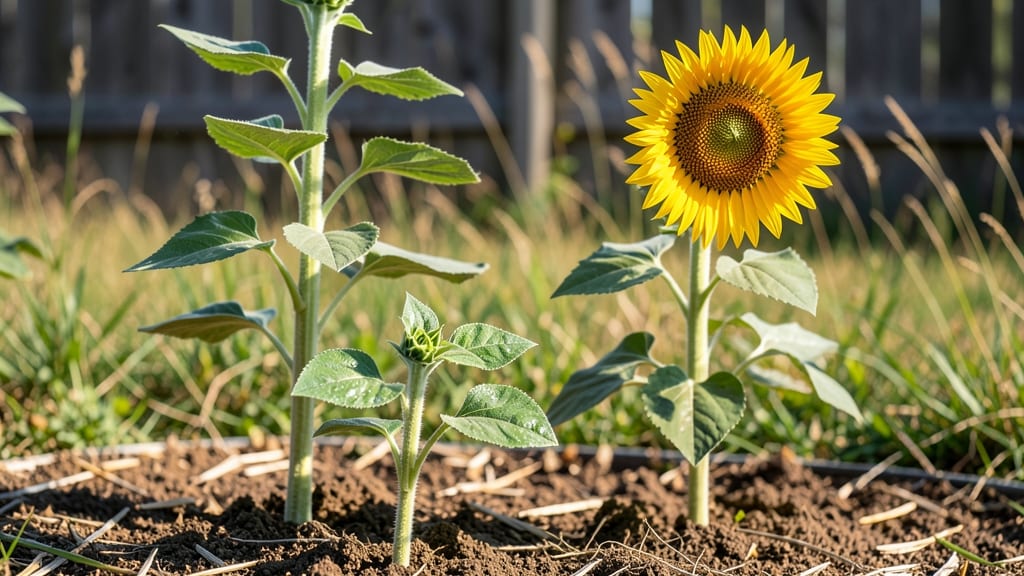
It takes sunflowers between 50 and 90 days to flower from seed, depending on the variety and growing conditions.
Watching a sunflower bloom from seed is one of gardening’s most satisfying experiences—but timing is everything. If you’re planning your garden around these cheerful giants, knowing exactly when to expect those iconic yellow faces can mean the difference between a stunning summer display and months of waiting.
Most varieties like the classic Mammoth or the compact Teddy Bear follow a predictable timeline, but factors like sunlight, soil quality, and even your last frost date can shift that window by weeks.
For example, planting too early in cooler climates may delay flowering, while warm, sunny conditions can speed it up.
Below, I break down the exact growth stages—from germination to bud formation—and share practical tips to estimate when your 🌻 sunflowers will finally burst into bloom, so you can plan your garden with confidence.
Sunflower flowering timeline: days to bloom by variety
Sunflowers are nature’s showstoppers, but their blooming timeline can vary dramatically depending on the variety you choose. From dwarf Teddy Bears to towering Mammoth Russian giants, each type has its own schedule for transforming from seedling to sunlit spectacle.
Understanding these timelines helps you plan for cutting gardens, pollinator support, or simply enjoying their cheerful faces all summer.
Most sunflowers take between 60 to 90 days to bloom from seed, but this range can shrink to 50 days for early varieties or stretch to 120 days for late-season types. The key factors influencing this timeline are sunlight exposure, soil temperature, and variety selection.
For example, planting in full sun (6+ hours daily) and warm soil (above 55°F) can cut weeks off the flowering process.
Here’s a breakdown of how different sunflower varieties perform, including their typical days to bloom and ideal growing conditions. Use this as your guide to pick the perfect variety for your garden’s timeline and space.
If you’re aiming for early summer blooms, prioritize varieties like Teddy Bear or Sunspot, which can flower as early as 50 days after sowing. These are ideal for container gardening or small spaces where height isn’t a concern.
For a late-season display, Mammoth Russian or Russian Giant will reward your patience with dramatic, towering blooms that last into fall.
Temperature plays a crucial role in speeding up or slowing down blooming. Sunflowers thrive in warm soil (60°F+) and long daylight hours (14+ hours). In cooler climates, planting after the last frost (typically mid-April to May) ensures faster germination and flowering.
If you’re in a short growing season, opt for early-maturing varieties like ProCut or Autumn Beauty to maximize your blooming window.
Light is non-negotiable for sunflowers—full sun (6+ hours daily) is a must. Without adequate sunlight, flowering can be delayed by 2–4 weeks, and stems may become weak.
If your garden has partial shade, choose shorter varieties like Teddy Bear or Sunspot, which tolerate 4–6 hours of sun better than their taller counterparts.
Soil health also impacts timing. Amend your garden beds with compost or balanced fertilizer (10-10-10) at planting to provide essential nutrients. Over-fertilizing with nitrogen can delay flowering, as the plant focuses on leafy growth instead of bud development.
Aim for a moderate feed during the growing season to encourage strong, timely blooms.
Pro tip: If you want to extend your sunflower season, try succession planting. Sow a batch of fast-blooming varieties every 2–3 weeks starting in early spring. This ensures a continuous display from early summer to frost, even if individual plants have different flowering timelines.
🌻
How to speed up or delay sunflower blooming for optimal garden planning
Timing your sunflower blooms can transform your garden from a random display to a carefully orchestrated seasonal show. Whether you're aiming for early summer bouquets, fall harvests, or extended pollinator support, adjusting growth cycles is entirely possible with the right techniques.
The key lies in understanding how planting times, soil conditions, and watering strategies interact with your local climate.
Sunflowers are remarkably adaptable, but their growth speed depends heavily on environmental cues. By strategically planting or manipulating conditions, you can shift blooming windows by 2-4 weeks—enough to align with your garden's needs.
For example, late-summer weddings or fall festivals can benefit from delayed blooms, while early pollinator support might require accelerated growth.
- 1 Planting Time: Sow seeds 4-6 weeks earlier for faster blooms or 2-3 weeks later to delay. Ideal window is April-May in most USDA zones.
- 2 Soil Temperature: Warmer soil (70°F+) speeds germination. Use black plastic mulch to raise soil temps by 5-10°F for faster growth.
- 3 Watering Strategy: Deep watering 2x/week accelerates growth, while reduced water in late summer can delay blooms by 10-14 days.
- 4 Companion Plants: Plant with basil or marigolds to repel pests and boost growth. Avoid corn or tomatoes, which compete for nutrients.
- 5 Fertilizer Timing: Apply low-nitrogen fertilizer (5-10-10) at seedling stage for faster growth. Avoid late-season feeding to prevent overly tall, weak stems.
For accelerated blooming, focus on early planting and optimal growing conditions. Start seeds indoors 4-6 weeks before last frost and transplant seedlings when soil reaches 60°F.
Use well-draining soil mixed with compost to provide essential nutrients without slowing growth. Morning watering prevents fungal diseases while keeping roots consistently moist—a critical factor for speedy development.
To delay blooming, employ late planting and controlled stress. Wait until late May or early June to sow seeds, or use shade cloth during peak summer to reduce sunlight exposure. Reduced watering in late summer can also slow growth, pushing blooms into fall instead of summer.
This technique works especially well for cutting gardens or extended seasonal displays.
Don't overlook the power of companion planting to influence timing. Pair sunflowers with fast-growing herbs like dill or cilantro to create microclimates that encourage quicker maturation. Conversely, planting near slow-growing perennials can naturally delay sunflower development. Pollinator-friendly companions like bee balm or cosmos also benefit from synchronized blooming times.
With these strategies, you'll gain precise control over your sunflower's growth cycle, ensuring blooms align perfectly with your garden's vision—whether that's a summer bouquet, fall harvest, or year-round pollinator support.
The secret lies in small, intentional adjustments rather than dramatic changes—because sunflowers thrive on consistency and care. 🌻