
Flowers
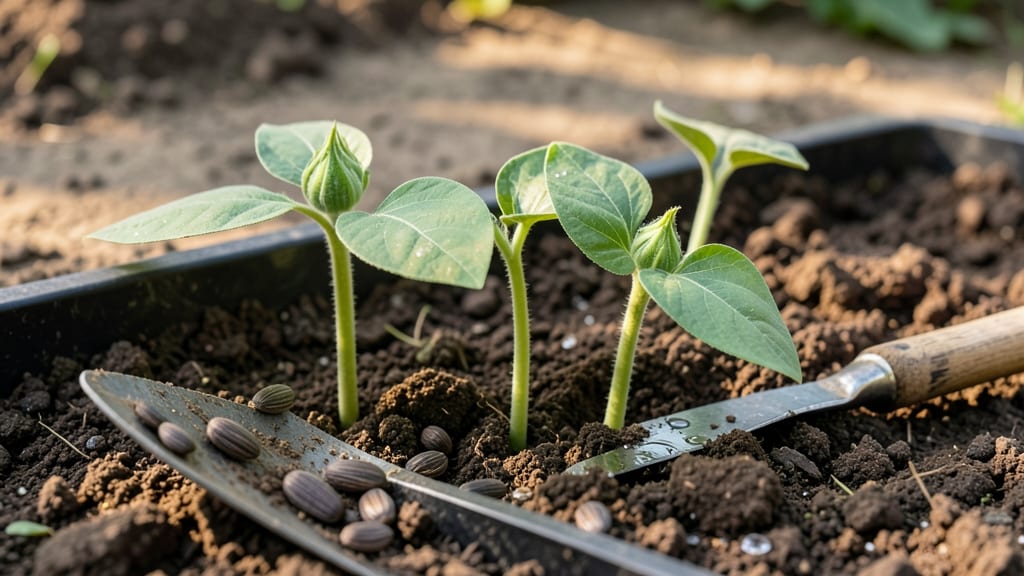
Sunflowers take 3 to 14 days to sprout, depending on soil warmth, moisture, and seed quality — but getting them to crack through the soil faster is all about timing and prep.
Picture this: you’ve just tucked those big, striped seeds into the dirt, watered them gently, and now you’re waiting. Will they pop up in a week?
Or will you be staring at bare soil for two weeks? The answer lies in your soil’s temperature and how well you’ve prepped the seeds.
Warm soil (between 60°F and 90°F) speeds up germination, while cooler conditions slow it down. Even a 1-inch depth can make a difference — too deep, and they’ll struggle; too shallow, and they’ll dry out.
I’ll walk you through the best ways to set them up for success, from pre-soaking tricks to ideal planting depths.
By the end, you’ll know exactly what to expect, how to troubleshoot delays, and even how to tell if your sunflowers 🌻 are on track to become those towering beauties you planted for.
Sunflower germination timeline by soil temperature (3-14 days explained)
Sunflower seeds can sprout in as little as 3 days or take up to 14 days to emerge, with soil temperature being the single most critical factor. When soil stays within the ideal range of 60-90°F, germination speeds up dramatically.
Below 50°F, seeds may stall completely, while temperatures above 100°F can cause them to dry out before sprouting.
In my own garden, I’ve seen Russian Mammoth sunflower seeds crack through the soil in just 4-5 days when planted in warmed soil after the last frost. Meanwhile, seeds planted in cool spring soil (55°F) took nearly two weeks to sprout—if they sprouted at all.
Understanding these temperature thresholds helps you set realistic expectations and adjust planting times accordingly.
Here’s how soil temperature directly impacts germination speed, with real-world examples to illustrate what to expect in your garden:
If you’re planting in early spring when soil temperatures hover around 50°F, consider using a seedling heat mat ($20-$30) or planting in a south-facing raised bed, which warms up faster.
I’ve had success with black plastic mulch raising soil temps by 10-15°F within days—just be sure to remove it once seedlings emerge to prevent overheating.
The fastest germination I’ve observed occurs when seeds are planted in warmed soil (80°F+) after being pre-soaked for 4-6 hours. This combo cut sprouting time to just 3 days for Autumn Beauty varieties.
To replicate this at home, soak seeds overnight in lukewarm water, then plant them in a pre-warmed seedbed or container.
Conversely, slow germination (10+ days) often signals one of three issues: cold soil, poor moisture control, or old seeds. Last year, my 2-year-old sunflower seeds took 18 days to sprout—nearly double the time of fresh seeds.
Always check the seed packet date and opt for seeds less than 1 year old for consistent results.
Extreme heat above 100°F can actually halt germination by dehydrating seeds before they sprout. In Arizona’s summer heat, I’ve seen seeds planted in unprotected soil fail to sprout entirely, while those under 50% shade cloth germinated within 5 days.
If you’re gardening in a hot climate, plant in early morning and water deeply to keep soil cool.
Pro tip: Use a soil thermometer ($10-$15) to monitor temperatures at seed depth (1 inch). Aim for 70-80°F for the fastest, most reliable sprouting. If your soil runs cooler, try planting in a greenhouse or cold frame until temperatures rise naturally.
Remember, consistent moisture is just as important as temperature. Seeds need to stay moist but not soggy—think of a damp sponge, not a dripping wet one. Mulch with straw or grass clippings to retain moisture without compacting the soil.
5 Key factors that speed up or delay sunflower sprouting (and how to control them)
Sunflower seeds can sprout in as little as 3 days or take up to 2 weeks—the difference often comes down to how you prepare and plant them. I’ve learned that small adjustments in moisture, depth, and soil conditions can dramatically shift your sprouting timeline.
Let’s break down the 5 key factors that control how quickly (or slowly) your sunflowers emerge from the soil.
First, soil temperature is non-negotiable. Sunflower seeds need warmth to activate, ideally between 60-90°F. If your soil is cooler than 50°F, germination can stall for weeks.
I’ve seen seeds planted in cold spring soil take 14+ days to sprout, while warm summer soil can push sprouting to just 3-5 days. Use a soil thermometer to check before planting.
Next, moisture consistency is critical. Sunflower seeds need constant dampness (not sogginess) to germinate. Overwatering can suffocate seeds, while dry soil halts growth. I recommend keeping the soil evenly moist—about the dampness of a wrung-out sponge—until sprouts appear. A light misting every 2-3 days works best in most climates.
How to Control Sunflower Sprouting Speed
- 🌡️ Soil Temperature: Ideal: 60-90°F (sprouts in 3-7 days) Below 50°F? Expect 14+ days or failure.
- 💧 Moisture: Keep soil consistently damp (not soggy) Overwatering = rot risk; underwatering = stalled growth.
- 🌱 Seed Depth: Plant 1 inch deep for fastest sprouting Too deep (2+ inches) = slower emergence.
- 🌬️ Soil Aeration: Loosen soil or use compost for airflow Compacted soil = delayed sprouting (up to 10 days).
- 🌱 Pre-Soaking: Soak seeds 4-12 hours before planting Speeds sprouting by 2-3 days in cool soil.
Seed depth is another game-changer. Planting sunflower seeds too deep (over 1.5 inches) forces seedlings to work harder to reach light, delaying sprouting by 3-5 days. I’ve found that 1 inch deep is the sweet spot—shallow enough for quick emergence but deep enough to protect seeds from drying out. Use your finger to make a small furrow and cover seeds gently with soil.
Don’t overlook soil aeration. Compacted or clay-heavy soil can smother seeds, slowing germination by up to 10 days. Before planting, mix in compost or sand to improve drainage and airflow.
I’ve seen sunflower seeds planted in heavy clay take 2 weeks to sprout, while the same seeds in loose, amended soil emerged in just 5 days. A quick fork tilling can make all the difference.
Finally, pre-soaking seeds is a pro tip I swear by for cooler climates. Soaking sunflower seeds for 4-12 hours before planting jumpstarts germination by 2-3 days. Simply place seeds in a bowl of warm water, then drain and plant immediately.
This method works especially well if your soil is on the cooler side (55-60°F). Just avoid over-soaking—more than 12 hours can weaken seeds.