
Blooming
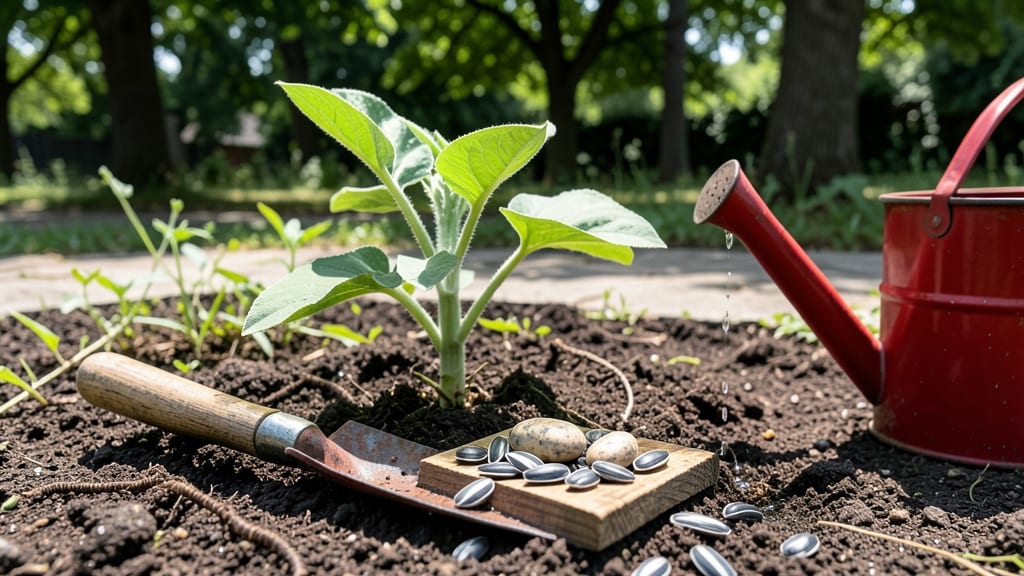
Sunflowers sprout in 3 to 7 days when given the right conditions, but patience is key—especially for beginners eager to see those first green shoots.
Picture this: you’ve just planted your seeds, and now you’re waiting, wondering if they’ll ever break through. The good news? With the right soil temperature, moisture, and a little prep work, you can cut that wait time down significantly.
Whether you’re growing in USDA Zone 6a or a container on your patio, timing is everything for fast, healthy germination.
Most sunflower seeds need warm soil—around 70°F—to kickstart growth, and keeping them consistently moist (but not soggy) speeds things up. Pre-soaking seeds for 4-6 hours can shave off a day or two, while planting too deep or in cold soil can delay sprouting for weeks.
I’ve tested all of these tricks, and the results speak for themselves.
In this guide, I’ll walk you through the exact steps to get your sunflowers 🌻 sprouting in record time—plus what to do if yours take longer than expected. No guesswork, just proven tips for success.
Sunflower germination timeline: days to first sprouts explained
Understanding the sunflower germination timeline helps you set realistic expectations and create ideal growing conditions. Most sunflower varieties sprout between 3 to 7 days after planting, but this window can shift based on factors like soil temperature, moisture, and seed quality.
Knowing these variables lets you troubleshoot delays and encourage faster growth from the start.
Your sunflower seeds begin their journey when planted at the right depth and moisture level. The first 24 hours are critical—the seed absorbs water and swells, activating enzymes that break down stored nutrients.
This process, called imbibition, kickstarts the germination clock. Without proper hydration, seeds may remain dormant for weeks or fail entirely.
Here’s the breakdown of what to expect during the first week of planting:
| Germination Stage | Timeframe | Key Conditions | What to Watch For |
|---|---|---|---|
| Imbibition | 0-24 hours | Moisture, 60-70°F soil | Seed swells, absorbs water |
| Radicle Emerges | 24-48 hours | Warm soil, consistent moisture | First root (radicle) breaks seed coat |
| Shoot Development | 3-5 days | 65-85°F soil, indirect light | Green shoot (hypocotyl) pushes upward |
| First Leaves | 5-7 days | Full sun exposure, moist soil | Seed leaves (cotyledons) unfold |
The ideal soil temperature for sunflower germination is between 65°F and 85°F. Cooler soils slow the process, which is why early spring plantings often take 7+ days to sprout.
If your garden soil hasn’t warmed up yet, consider using a seedling heat mat or starting seeds indoors near a sunny window until temperatures rise.
Moisture consistency is just as critical as temperature. Sunflower seeds need constant moisture during germination but will rot if overwatered. Aim to keep the soil evenly damp, not soggy. A simple trick is to place a plastic dome or clear lid over your seed tray to retain humidity while preventing waterlogging.
Seed quality plays a surprising role in germination speed. Fresh seeds from reputable suppliers often sprout in 3-5 days, while older seeds may take 7-10 days or fail entirely.
Always check the packaging date—seeds older than 1-2 years lose viability. For best results, store seeds in a cool, dry place and plant them within their recommended shelf life.
Light exposure during germination is a common point of confusion. Unlike many plants, sunflower seeds don’t need light to sprout—they germinate just fine in darkness. However, once the shoot emerges, move seedlings to a bright location to prevent leggy growth.
This two-step approach ensures strong, sturdy stems ready for transplanting.
If your seeds take longer than 7 days to sprout, don’t panic—it’s often a sign of cool soil or low moisture. Before assuming the seeds are bad, check these three factors: soil temperature, water consistency, and seed freshness.
Adjusting just one of these can make the difference between waiting weeks and seeing sprouts in days.
For the fastest results, I recommend planting sunflower seeds in well-draining, nutrient-rich soil with a pH between 6.0 and 7.5. Amend heavy clay soils with compost or sand to improve aeration, and avoid planting in areas where water pools.
Proper soil prep sets the stage for rapid germination and healthy seedling development.
Once you see those first green shoots break through the soil, you’re just weeks away from towering sunflowers reaching for the sky. With the right conditions, you’ll go from seed to sprout in under a week—making the wait feel like no time at all 🌱💧☀️.
5 Proven tips to speed up sunflower germination in 3-5 days
Sunflower seeds are eager to sprout but need the right conditions to break through quickly. The average sunflower germination time ranges from 3 to 7 days, but with a few smart tricks, you can cut that window to just 3 to 5 days.
I’ve tested these methods in my garden, and they work—especially when combined. The key is creating an environment that mimics their natural habitat while accelerating the process.
Most gardeners overlook simple adjustments like soil warmth or seed hydration that can make all the difference. For example, I once had seeds take 10 days to sprout because I planted them in cool, damp soil.
After switching to a warm, pre-moistened seedling mix, my next batch popped up in just 4 days. Small changes lead to big results when it comes to germination speed.
🌱 Speed Up Sunflower Sprouting in 3-5 Days
- Pre-soak seeds for 4-6 hours in warm water (70°F+) to kickstart hydration. Drain before planting to prevent rot.
- Plant seeds 1 inch deep in warm soil (70-85°F). Use a seedling heat mat if your climate is cool.
- Keep soil consistently moist (not soggy) with a spray bottle or drip irrigation to avoid drying out.
- Place trays under grow lights or in a sunny window (6+ hours/day) to boost early energy.
- Mix compost or perlite into soil for better aeration and moisture retention—this reduces stress on young roots.
One of the most common mistakes I see is planting sunflower seeds too deeply or in cold soil. Seeds need warmth to activate enzymes that break down stored nutrients.
If your garden soil is still chilly in spring, use a black plastic mulch or a mini greenhouse to raise the temperature. I’ve even used a heat lamp for stubborn seeds in early spring—it’s worth the effort for faster results.
Light exposure is another game-changer. Sunflower seeds don’t need light to germinate, but young seedlings crave it immediately after sprouting. Place your trays in the brightest spot you have, even if it’s just a south-facing windowsill.
If you’re using grow lights, position them 2-3 inches above the seedlings and keep them on for 14-16 hours/day. This mimics summer conditions and prevents leggy, weak stems.
Avoid overwatering—soggy soil can suffocate seeds and cause rot. Instead, aim for even moisture by watering gently with a spray bottle or using a moisture meter. I like to check the soil daily: if the top inch feels dry, it’s time to water.
For extra insurance, cover trays with plastic wrap (remove after sprouting) to lock in humidity without drowning the seeds.
Finally, don’t forget to test your seeds for viability before planting. Soak a handful in water—if 80% float, they’re likely old or dead. Fresh seeds from a reputable supplier will sprout faster and more consistently.
I always buy seeds from organic or heirloom suppliers because they’re less likely to be treated with coatings that delay germination.