
Light Requirements
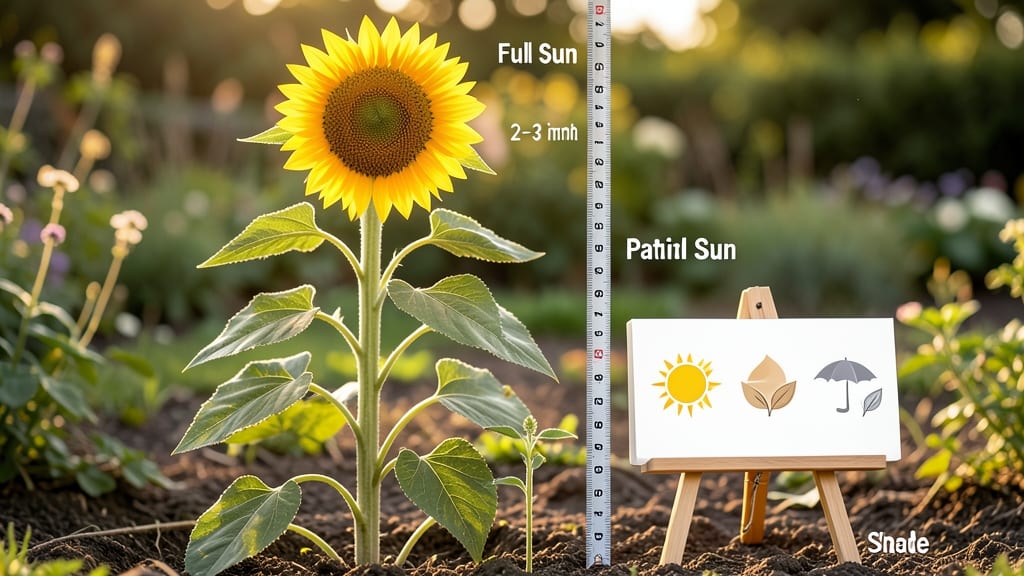
Flowers need at least 6 hours of sunlight daily to thrive, but the exact amount depends on the variety—too little and they’ll fade, too much and they’ll scorch. 🌸
Picture this: your sun-loving dahlias drooping by midday because they’re tucked too far back, or your delicate impatiens wilting under the harsh afternoon glare. The right balance is the difference between a garden that bursts with color and one that struggles to bloom.
Not all flowers are created equal—some, like sunflowers and roses, crave full sun, while others, such as hostas and foxgloves, prefer partial shade. Below, I’ll break down the sunlight needs for your favorite blooms, so you can place them perfectly for a showstopping garden.
You’ll also learn how to spot signs of too much or too little light, plus simple tricks to adjust sunlight exposure without sacrificing those vibrant blooms you’ve been dreaming of.

Sunlight requirements for popular flowers: full sun vs. partial shade breakdown
Understanding sunlight requirements for your flowers is like giving them the perfect recipe for success. Too little sun and they’ll stretch thin and fail to bloom, while too much can scorch delicate petals.
Most gardeners struggle with this balance, especially when planning their garden layout. Let’s break down the exact hourly sunlight needs for popular flowers so you can place them perfectly in your yard.
First, let’s clarify the terms: full sun means 6-8+ hours of direct sunlight daily, partial shade is 3-6 hours, and shade-tolerant flowers thrive with less than 3 hours. Your garden likely has different sun exposure zones—south-facing areas get the most sun, while north sides often stay cooler and shadier.
Mapping these zones before planting will save you from disappointed wilted blooms.
Here’s the key: sunlight needs vary dramatically between flower types. Annuals like marigolds and zinnias crave full sun, while impatiens and fuchsias will sulk in hot afternoon rays. Knowing these differences lets you create a vibrant, low-maintenance garden where every plant thrives in its perfect spot.
Below is a detailed comparison table of popular flowers categorized by their sunlight needs. Use this as your guide to arrange your garden for maximum bloom potential and minimal stress on your plants.
Notice how container flowers offer flexibility—they can adapt to different sunlight conditions if you rotate them occasionally. For example, a geranium in a pot can handle morning sun and afternoon shade, while the same plant in the ground might need full sun.
This adaptability makes containers perfect for renters or small-space gardeners.
For full sun lovers, place them in the hottest part of your garden, often the south or southwest-facing beds. These areas receive the most intense sunlight, especially in the afternoon when temperatures peak.
If you notice leaf burn or wilting, it might be a sign they need afternoon shade—try using a shade cloth (30-50% coverage) during the hottest hours.
On the other hand, shade-tolerant flowers like heucheras and foamflowers thrive under trees or on north-facing walls. These spots receive indirect or filtered sunlight, which is ideal for delicate foliage and blooms.
If you’re planting under large trees, choose flowers that can handle competition for water and nutrients—mulching heavily will help retain moisture.
Pro tip: Observe your garden’s microclimates throughout the day. A spot might get morning sun but afternoon shade due to nearby structures or trees. Use this to your advantage by pairing sun-loving annuals with shade-tolerant perennials in the same bed.
For example, plant zinnias (full sun) alongside coleus (partial shade) to create a layered, low-maintenance display.
Finally, remember that seasonal changes affect sunlight exposure. In summer, the sun arcs higher in the sky, while in winter, it sits lower, casting longer shadows. Adjust your garden layout if you notice flowers struggling during specific seasons—adding seasonal shade or moving containers
How to adjust sunlight for different flower types: seasonal and climate considerations
Adjusting sunlight exposure is one of the easiest ways to extend your flowers' blooming season and protect them from harsh conditions. In hot climates, afternoon sun can scorch delicate petals, while cooler regions may struggle with too little winter light.
The key is understanding how to modify exposure based on your local climate and seasonal shifts—whether you're growing in the ground or containers.
For container gardeners, mobility is your best tool. Simply rotate pots throughout the day to balance morning and afternoon sun. In USDA Zone 6, where I garden, spring and fall offer gentle light conditions, while summer demands afternoon shade for sun-loving varieties.
Let’s break down how to fine-tune sunlight for optimal bloom health, no matter where you live or what type of flowers you’re growing.
-
1Morning Sun, Afternoon Shade: Move shade-loving flowers (like impatiens) to dappled light in summer by placing them under 30% shade cloth from 12 PM to 4 PM. This mimics natural forest understory conditions.
-
2Seasonal Rotation: In Zone 5-7, rotate daylilies and black-eyed Susans to face east in summer (to avoid afternoon heat) and south in winter (to capture scarce sunlight).
-
3Microclimate Mastery: Use reflective surfaces (like white gravel or light-colored walls) to bounce extra light onto shade-tolerant flowers (e.g., heuchera) in north-facing gardens.
-
4Container Flexibility: Group full-sun flowers (e.g., marigolds) in containers on wheels—move them to a shaded patio by 2 PM during heatwaves. This prevents leaf scorch while maintaining bloom production.
-
5Climate-Specific Tricks: In arid regions, bury containers halfway in the ground to stabilize soil temps and reduce evaporative stress. In humid climates, elevate pots to improve airflow and prevent fungal issues from excess moisture.
If you’re dealing with intense afternoon sun, try creating a dappled light effect by placing a sheer curtain or lattice structure above your flowers. This scatters light without blocking it completely, which works wonders for begonias or fuchsias that need bright but indirect light.
I’ve seen this technique double the blooming period for geraniums in my own garden during peak summer months.
For container gardens, consider using self-watering pots with built-in shade. These often come with adjustable canopies that filter up to 50% of sunlight, perfect for tender perennials like coleus or caladiums. The added benefit? You’ll also reduce watering frequency since the shade helps retain moisture.
Don’t overlook the power of mulching to regulate soil temperature and moisture—this indirectly affects how much sunlight your flowers can tolerate. A 2- to 3-inch layer of organic mulch (like straw or shredded bark) keeps roots cooler in summer and warmer in spring, giving you more flexibility with sunlight adjustments.
Pair this with regular pruning to encourage bushier growth, which naturally shades the base of plants.
Remember, even full-sun lovers like sunflowers or lavender can suffer in extreme heat. When temperatures exceed 90°F (32°C), provide temporary shade with a lightweight row cover or even a strategically placed umbrella. This small tweak can mean the difference between vibrant blooms and wilted stems by late afternoon.