
Watering
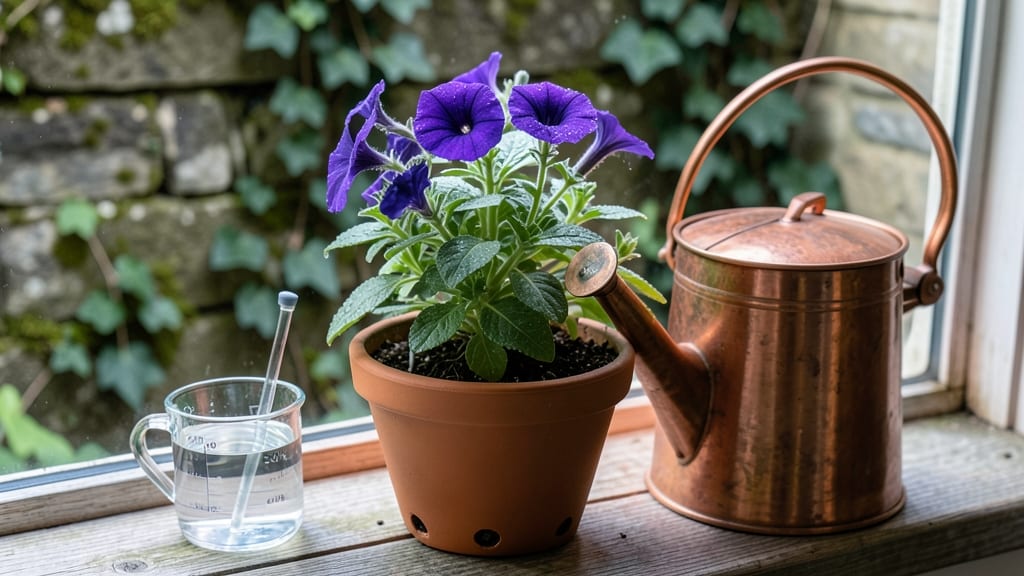
Watering potted flowers the right way means checking soil moisture every 2-3 days in summer and adjusting for your plant type—too much or too little can kill them faster than pests ever could.
Struggling to keep your potted flowers alive? Overwatering or underwatering are the #1 killers of container plants—but a simple seasonal checklist can save them all.
Most potted flowers 🌸 need deep soaks (not just a quick sprinkle) to encourage strong roots, but the frequency shifts with temperature, pot size, and even your home’s humidity. A 6-inch pot dries out faster than a gallon container, and a sunny windowsill demands more water than a shady corner.
Below, I’ll break down the exact watering schedule by season, plus 5 signs your plants are thirsty (or drowning) so you can adjust before it’s too late.
How often to water potted flowers by plant type and season
Watering potted flowers isn't one-size-fits-all—it depends on the plant type, pot size, and seasonal conditions. Overwatering suffocates roots while underwatering stresses plants, but understanding your flowers' needs transforms guesswork into a science-backed routine.
Let's break down the watering frequency for common container flowers, adjusted for each season to keep them thriving year-round.
Succulents like echeveria or sedum store water in their leaves, while ferns and impatiens need consistently moist soil. Even within these groups, a 6-inch pot dries faster than a 12-inch container.
Add climate variables—like humidity levels or direct sunlight exposure—and you've got a recipe for either wilting or root rot. The key? Check soil moisture with your finger before watering.
Seasonal adjustments are critical: summer heat demands daily watering for thirsty annuals, while winter dormancy might require watering just once every 10 days. Below, I’ve organized the most popular potted flowers by their watering needs, including how often to water them in each season.
For succulents, the rule is simple: water less in winter and more in summer, but always let the soil dry out completely between waterings. I’ve seen echeveria plants thrive with just one watering every three weeks in winter, while sedum might need weekly watering in peak summer heat.
The key is observing the plant—wrinkled leaves signal thirst, while mushy stems mean you’ve overdone it.
Ferns, on the other hand, hate dry soil. They’re the divas of the potted plant world, demanding consistent moisture year-round. In summer, I water my Boston ferns daily, often misting their fronds to mimic humidity.
During winter, I reduce frequency but keep the soil slightly damp. Pro tip: Use a pebble tray under the pot to add extra humidity without overwatering.
Annuals like petunias and geraniums are the heavy drinkers of the potted flower world. They’ll wilt faster in direct sunlight and heat, so I water them early in the morning to reduce evaporation. In summer, I set a reminder to water these plants every morning, while in fall, I stretch it to every third day. Always check the top inch of soil—if it’s dry, it’s time to water.
5 Signs your potted flowers need water (and 3 you’re ignoring)
If you’ve ever walked past wilted petunias or crispy ferns and wondered, "Did I water them enough?"—you’re not alone. Most gardeners struggle with this balance, but the truth is, your potted flowers are actually sending you signals. The key is learning to read them before it’s too late.
Overwatering and underwatering are the top two reasons potted flowers die, yet most of us focus only on the obvious signs—like drooping leaves. But there are subtle cues hidden in your plants’ roots, soil, and even the pot itself.
Ignoring these can mean the difference between a thriving bouquet and a sad, shriveled souvenir.
- 1 Soil feels dry 1-2 inches down – Stick your finger in the soil; if it’s drier than a crumbled cookie, it’s time to water. Most potted flowers need moisture at this depth before wilting appears.
- 2 Leaves lose turgor pressure – Press a leaf gently; if it springs back slowly (or not at all), the plant is thirsty but not dead yet. Morning wilting is normal, but if leaves stay limp by afternoon, water immediately.
- 3 Pot weight drops noticeably – Lift your pot; if it feels lighter than a feather, the soil has dried out. A well-watered pot should weigh more due to moisture retention.
- 4 Root exposure in shallow pots – If roots are peeking through drainage holes or the soil surface, they’re begging for hydration. Trim exposed roots and water deeply to revive them.
- 5 New growth slows to a crawl – If your basil or geraniums stop producing fresh leaves or buds, they’re stressed from dry soil. Revive them with a deep watering session.
💡 Pro Tip: Water in the morning to mimic natural rainfall cycles and reduce fungal risks.
Now, here’s where most gardeners go wrong: they ignore the three sneaky signs that your flowers are actually overwatered. Yellowing leaves, moldy soil, or a foul smell mean you’ve drowned your plants. Always check the soil’s drainage capacity—if water pools at the bottom, your pot needs better aeration.
Remember, consistency is key. Instead of guessing, use the finger test (insert your finger 1-2 inches deep) and adjust your watering based on your plant’s type and season.
Succulents need less, while impatiens or petunias crave moisture. Pay attention, and your potted flowers will thank you with vibrant blooms all season long.
🌿