
Size
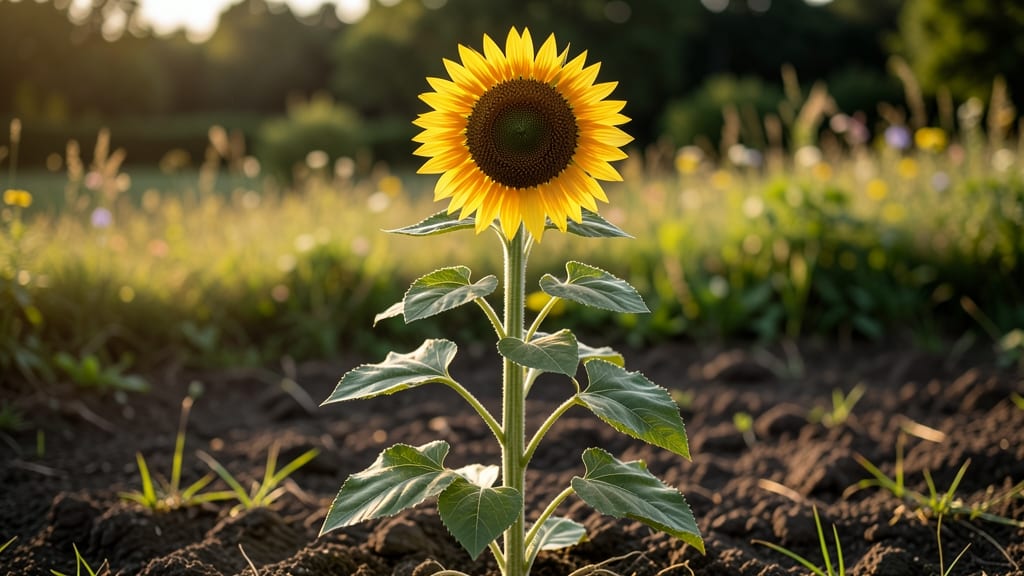
How tall do sunflower plants get? They range from 1 foot to towering 16 feet, depending on the variety and growing conditions.
Picture this: a sunflower 🌻 so tall it blocks your view of the neighbor’s fence, or a compact one perfect for a patio pot. The difference isn’t just luck—it’s all in the seeds you pick and how you nurture them.
Whether you’re dreaming of a dramatic garden centerpiece or a space-saving border, knowing the right variety makes all the difference.
Dwarf sunflowers stay under 3 feet, making them ideal for containers or small gardens, while standard varieties can reach 8–16 feet. Giant sunflowers, like the record-breaking ‘Mammoth’ variety, can even surpass the height of a two-story building.
But here’s the catch: sunlight, soil quality, and spacing play a bigger role than you might think in determining how tall your sunflowers will grow.
In this guide, we’ll break down the height ranges for popular varieties, share tips for maximizing (or controlling) growth, and help you choose the perfect sunflower for your space—whether you want a whimsical accent or a stunning focal point.

Sunflower height by variety: from dwarf to giant species
If you’ve ever wondered how tall do sunflower plants get, the answer depends entirely on the variety you choose. Some sunflowers stay compact enough for container gardens, while others grow tall enough to rival small trees.
Knowing these height ranges helps you plan spacing, support structures, and even companion plants. Let’s explore the spectrum from dwarf varieties to giant sunflowers so you can pick the perfect fit for your garden space.
Sunflowers are divided into three main height categories: dwarf (1–3 feet), medium (4–6 feet), and giant (8–14 feet). Each type has unique growth habits, making them ideal for different garden styles.
Dwarf varieties thrive in small spaces, medium types suit traditional flower beds, and giants create dramatic focal points. The right choice depends on your garden’s layout and your goals—whether you want cut flowers, bird-friendly seeds, or simply a stunning visual impact.
Sunflower height isn’t just about aesthetics—it also affects spacing, sunlight exposure, and even wind resistance. For example, giant varieties need wide spacing (3–4 feet apart) to prevent crowding, while dwarf types can be planted just 12–18 inches apart. Understanding these differences ensures your sunflowers grow healthy and strong, regardless of their size. Let’s dive into the specifics so you can select the perfect variety for your space.
Dwarf sunflowers, like the Teddy Bear variety, are perfect for small gardens or containers. These 12–18 inch beauties bloom early and attract pollinators without taking up much space. Their bushy growth habit makes them ideal for borders or windowsill gardens.
If you’re growing sunflowers in pots, dwarf varieties are your best bet—they thrive in 5-gallon containers with proper drainage and sunlight.
Medium-height sunflowers, such as Moulin Rouge, strike a balance between space efficiency and dramatic height. Standing 4–6 feet tall, they’re perfect for cut flower arrangements or as a backdrop for shorter plants.
These varieties typically require 2–3 feet of spacing to prevent overcrowding. Their sturdy stems make them low-maintenance compared to giants, but they still benefit from occasional pruning to encourage branching.
For those who love a wow factor, giant sunflowers like the Russian Giant can reach 10–14 feet tall. These towering plants need ample space—3–4 feet apart—and often require staking or grouping to prevent toppling in windy conditions.
While they demand more care, their massive blooms make them a centerpiece for large gardens or events. Just be prepared for their rapid growth—some varieties can shoot up 3–4 inches per day!
Choosing the right sunflower height also depends on your garden’s layout. If you’re working with limited space,
Factors that influence sunflower height beyond variety
While sunflower varieties set the baseline for height, your growing conditions can push plants to their full potential—or stunt them completely. I’ve learned that even giant varieties like 'Mammoth' can struggle to reach their 12-14 foot potential if given poor soil or inconsistent water.
The good news? With the right care, you can coax dwarf varieties to grow taller or keep towering types in check for small gardens.
Let’s explore the key factors that determine whether your sunflowers will stretch toward the sky or stay compact. Understanding these will help you troubleshoot growth issues and maximize your plants’ height—whether you’re aiming for a dramatic focal point or a space-saving border.
🌱 Soil Quality & Nutrition
Sunflowers thrive in well-draining, nutrient-rich soil with a pH of 6.0-7.5. Amend heavy clay with compost or sand, and fertilize lightly with a balanced 10-10-10 mix when plants are 6-12 inches tall. Poor soil stunts roots, limiting height by up to 30%.
☀️ Sunlight Exposure
Sunflowers need 6-8+ hours of direct sun daily. Inadequate light causes leggy, weak stems that can’t support their own weight. If your garden gets partial shade, choose dwarf varieties or supplement with a grow light for 4-6 hours.
💧 Watering Consistency
Deep, morning watering (1-2 gallons per plant) encourages strong root development. Drought stress during stem elongation (4-8 weeks after germination) can reduce height by 25-40%. Mulch with straw to retain moisture and prevent soil compaction.
✂️ Pruning & Spacing
Overcrowding (less than 12 inches between plants) leads to competition for nutrients, reducing height. For giant varieties, prune side shoots to redirect energy upward. Avoid heavy pruning after 6 feet of growth, as it weakens stems.
🌡️ Temperature & Wind
Sunflowers grow best in warm climates (70-85°F). Cool nights (below 50°F) slow growth, while high winds can snap stems. Use windbreaks or stakes for varieties over 8 feet tall in exposed areas.
For example, I once grew 'Russian Giant' sunflowers in heavy clay soil without amending it—my plants only reached 8 feet instead of their potential 12 feet.
After adding compost and improving drainage the next year, they hit their target height. Small changes in care can make a huge difference in your sunflowers’ stature!
Need taller sunflowers? Focus on soil health, sunlight, and deep watering. Want to keep them shorter? Prune early or choose dwarf varieties like 'Teddy Bear.' Your garden’s layout and goals will dictate which factors to prioritize—just remember, sunflowers reward attentive care with stunning height and vibrant blooms.