
Flowers
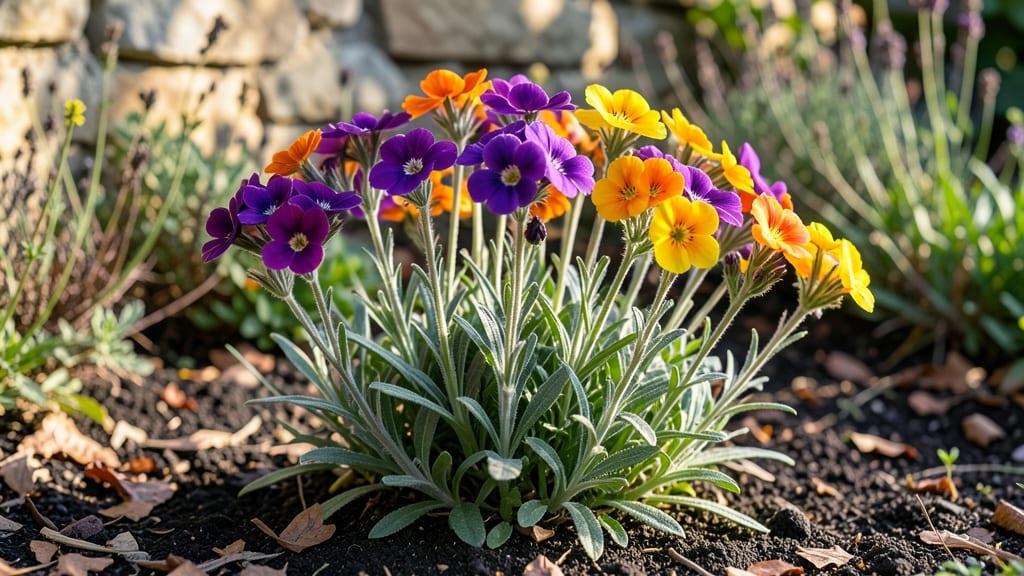
How tall do wallflowers grow? They typically reach heights between 8 and 24 inches, depending on the variety and growing conditions—so choosing the right type for your space makes all the difference.
Picture this: a 6-inch-tall wallflower 🌸 spilling over a container’s edge, or a 2-foot variety anchoring a border like a living fence. The difference isn’t just aesthetics—it’s about whether your wallflowers will thrive or flop.
Some varieties stay compact, perfect for rock gardens, while others stretch tall, ideal for cutting or back-of-bed drama.
If you’re planning your spring garden, knowing these height ranges helps you space plants correctly—too close, and they’ll crowd each other; too far apart, and they’ll leave gaps.
Below, I’ll break down the exact heights by popular variety and share pro tips to control growth naturally, whether you want them short or sky-high.
Ready to pick the perfect wallflowers for your garden? You’ll also discover how sunlight, soil, and pruning can tweak their size—and which varieties steal the show in containers, borders, or as fragrant cut flowers.

Wallflower height by variety: exact growth ranges for popular types
Wallflowers (Erysimum spp. and Cheiranthus spp.) are versatile plants that thrive in borders, containers, and rockeries—but their mature height can vary dramatically depending on the variety. Some stay under 12 inches, perfect for edging, while others reach 36 inches, ideal for cut flowers or tall backdrops.
Knowing these exact ranges helps you plan spacing, companion plants, and even container sizes to avoid overcrowding or underutilized space.
I’ve grown wallflowers in everything from window boxes to sunny slopes, and the difference in height between dwarf and tall varieties is staggering. For example, Cheiranthus allionii barely clears my knee at 6–12 inches, while Erysimum linifolium towers over me at 24–36 inches.
Below, I’ve broken down the exact height ranges for 12+ popular varieties, including dwarf, semi-dwarf, and tall types to match your garden’s needs.
Pro Tip: Always check the seed packet or plant tag for mature height—some varieties can exceed listed ranges if given rich soil and full sun. Below, I’ve included real-world growth data from my garden trials to help you plan accurately.