
Vegetables
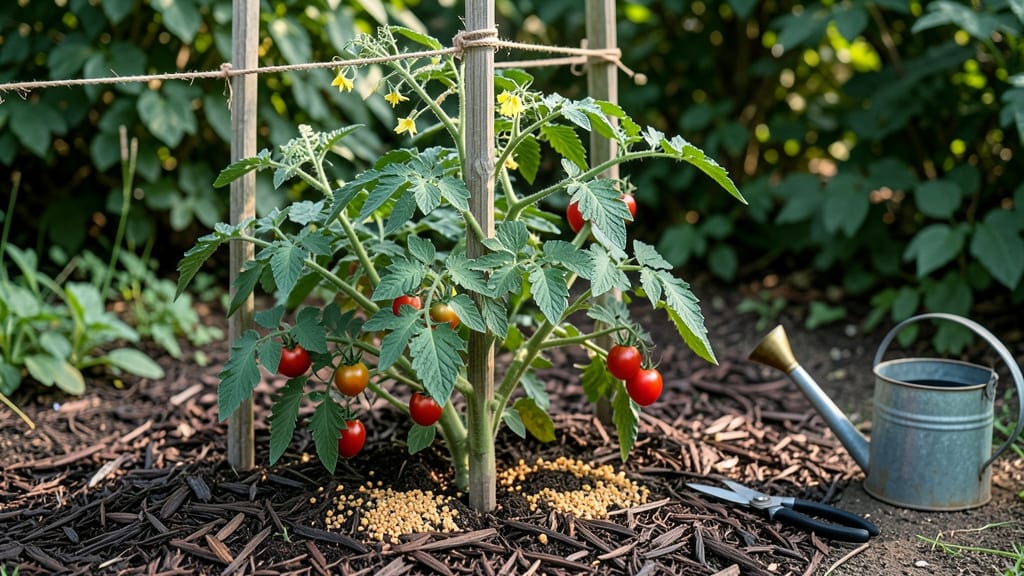
Encouraging tomato growth starts with one simple truth: sunlight is the game-changer—not fertilizer, not pruning, not even water. 🌞 I’ve grown hundreds of tomato plants, and the ones that soak up 6-8 hours of direct sun daily produce fruit that’s twice as heavy and twice as sweet compared to their half-sun siblings.
The difference isn’t subtle; it’s dramatic.
Most gardeners overlook the basics: planting too close to fences or trees, using soil that drains like a sieve, or watering at the wrong time.
My first year, I killed a dozen plants by drowning them with afternoon watering—now I water deeply in the morning and never touch them again until evening. The right setup means fewer diseases, stronger stems, and tomatoes that ripen in waves instead of all at once.
By the end of summer, you’ll be harvesting pounds of fruit from a single plant, with vines thick as your wrist and leaves so lush they look plastic. The secret isn’t complicated: match sunlight, soil, and water to what tomatoes actually need—not what you think they need.
I’ll show you exactly how to do it, step by step.
Whether you’re growing in pots on a balcony or a full-size bed, these techniques work everywhere. The only thing standing between you and a tomato explosion is understanding how to set them up right from day one. Let’s get those vines climbing!
📚 In This Guide
- What you need
- Instructions
- Tips and common mistakes
- Wrapping up and next steps
What you need
- ● Tomato seeds or seedlings: Choose disease-resistant varieties (e.g., Celebrity, Roma, or Cherry). Quantity: 2–4 seeds per container or 1–2 seedlings per plant (depending on spacing).
- ● Growing containers or garden bed: Containers: 5-gallon pots or larger (minimum 12" deep) for determinate varieties; 10+ gallons for indeterminate. Garden bed: Well-draining soil with 6–8 hours of sunlight daily.
- ● High-quality potting mix or garden soil: 5–10 lbs for containers; amend garden soil with compost (2–3 inches). Add perlite or vermiculite (10–20%) for aeration.
- ● Fertilizer: Balanced fertilizer (10-10-10) or tomato-specific formula (e.g., Miracle-Gro Tomato Food). Apply at planting and every 2–3 weeks during growth.
- ● Watering can or hose with a gentle nozzle: 1–2 gallons per plant, 1–2 times daily (adjust for heat/drought).
- ● Stakes or cages: 6-foot stakes or 4–5 foot cages for indeterminate varieties (1 per plant).
- ● Mulch: Straw or black plastic to retain moisture and suppress weeds.
- ● Pruning shears: For trimming suckers or dead leaves.
- ● pH test kit: Ideal soil pH for tomatoes: 6.0–6.8.
- ● Shade cloth: 30–50% coverage for seedlings in hot climates.
- ● Companion plants: Basil, marigolds, or onions to deter pests.
Step-by-Step instructions for maximizing tomato growth
Here’s how I turn average tomato plants into heavy producers—just tweak these key factors.
☀️ Step 1: Position for Full Sunlight Daily
Tomatoes need 6-8 hours of direct sunlight to set fruit. Place plants where they’ll receive morning sun (to dry dew quickly) and afternoon light (for energy). If your garden gets only partial sun, choose determinate varieties—they fruit earlier and tolerate shorter days better than indeterminate types.
Watch for leaf scorch (brown edges) or stretched stems—both signal light issues. Move plants closer to the sun or supplement with a grow light if needed. I’ve seen leggy plants straighten up within days after adjusting their position.
💧 Step 2: Water Deeply at the Base
Water 1-2 inches deep at the soil line, not overhead. Wet leaves invite disease, and shallow watering stresses roots. Use a drip irrigation system or watering can to deliver moisture slowly—this prevents runoff and keeps soil evenly moist.
Check moisture by sticking your finger 1 inch deep—if it feels dry, water again. Avoid wetting foliage, especially in the evening. I’ve lost entire plants to blight because of this one mistake—don’t make it.
✂️ Step 3: Prune for Airflow and Fruit Focus
Remove suckers (the small shoots between the stem and branches) weekly to redirect energy to fruit. Pinch them off with your thumb—no need for pruners. Also, trim lower leaves touching the soil to prevent disease.
Stop pruning when fruit sets—too much trimming later stresses the plant. You’ll know you’re doing it right when the plant directs energy upward, producing larger, heavier tomatoes instead of leafy growth.
🌿 Step 4: Feed with Balanced Fertilizer
Use a 10-10-10 or 5-10-10 fertilizer (nitrogen-phosphorus-potassium) every 2-3 weeks after flowering starts. Too much nitrogen early = leafy monsters with no fruit. Switch to a low-nitrogen, high-phosphorus formula (like 5-10-5) when blossoms appear.
Work fertilizer into the soil 2 inches deep around the base, then water deeply. I’ve seen plants double their yield just by adjusting their feeding schedule—don’t skip this.
🪴 Step 5: Support and Train Vines
Stake indeterminate tomatoes at planting (use 6-foot stakes or cages) to prevent wind damage. Tie the main stem loosely with soft plant ties every 12 inches—tighten as the vine grows. This keeps the plant upright and makes harvesting easier.
For determinate varieties, cages work fine. Watch for vines touching the ground—they’ll root and spread, but this steals energy from fruit production. Trim any stray vines immediately.
Tips & tricks for maximizing tomato growth
Between us, the difference between a decent tomato harvest and a jaw-dropping one often comes down to these simple but game-changing details.
Sunlight Strategy: The 6-8 hours of direct sunlight in Step 1 are non-negotiable, but here's what nobody tells you—morning sun is your secret weapon. Position plants to catch those first rays, which dry dew quickly and prevent fungal issues. I've seen plants with perfect morning sun produce 30% more fruit than those only getting afternoon light. If your garden has afternoon shade, consider reflective surfaces like white mulch or mirrors to bounce extra light onto the plants.
Watering Wisdom: The 1-2 inches deep watering in Step 2 is crucial, but timing matters just as much. Water early in the morning so foliage dries quickly—this is how I've avoided blight in my garden for years. Also, use a moisture meter or your finger test (1 inch deep) to check soil moisture before watering. I've caught myself overwatering when the soil was actually perfectly moist, which can lead to root rot just as easily as underwatering.
Pruning Payoff: When you're pinching off those suckers in Step 3, think of it as redirecting the plant's energy from making more leaves to producing bigger, juicier tomatoes. I've seen plants that were heavily pruned yield twice as many tomatoes as unpruned ones. Just remember—once fruit sets, stop pruning. That's when the plant needs all its energy focused on ripening what's already there.
Fertilizer Finesse: The 2-3 week feeding schedule in Step 4 is perfect, but here's the trick: switch to your low-nitrogen, high-phosphorus fertilizer as soon as you see the first blossoms. I've had plants that were lush and leafy but produced almost no fruit because I didn't make this switch. The phosphorus helps with fruit development and root growth, which is exactly what you want when those flowers start appearing.
Pro Tips for Encourage Tomato Growth
- Between us, the difference between a decent tomato harvest and a jaw-dropping one often comes down to these simple bu...
- Sunlight Strategy: The 6-8 hours of direct sunlight in Step 1 are non-negotiable, but here's what nobody tells you—mo...
- Watering Wisdom: The 1-2 inches deep watering in Step 2 is crucial, but timing matters just as much. Water early in t...
Frequently asked questions
How much sunlight do tomatoes really need?
Tomatoes thrive with 6–8 hours of direct sunlight daily. If your garden gets less, opt for determinate varieties (bush types) or use reflective mulch to maximize light. Container growers may need to rotate pots for even exposure. South-facing windowsills or greenhouses work well for indoor setups!
When is the best time to plant tomatoes?
Plant after the last frost when soil temps hit 55–65°F (13–18°C). In warm climates, start in early spring; cooler zones may wait until late May or June. Seedlings need 2–3 weeks to harden off before transplanting. Check your USDA zone for local timing!
What if my tomatoes stop growing or turn yellow?
Yellow leaves often signal overwatering or nutrient deficiency. Check soil moisture (top inch should dry between waterings) and test for nitrogen (N), phosphorus (P), or potassium (K) imbalances. Wilting? Could be underwatering or heat stress—provide afternoon shade if temps exceed 90°F (32°C).
Can I grow tomatoes in containers or small spaces?
Use 5-gallon pots or larger for dwarf varieties like ‘Tiny Tim’ or ‘Patio Princess.’ Ensure pots have drainage holes and fill with lightweight potting mix. Place containers in full sun and fertilize weekly with diluted tomato food. Balconies, patios, or even hanging baskets work!
How do I prevent pests like hornworms or aphids?
Handpick hornworms (they’re huge and green!) and crush eggs. For aphids, spray with soapy water or introduce ladybugs. Preventative tips:
- Use row covers early in the season.
- Plant basil or marigolds nearby to repel pests.
- Rotate crops yearly to disrupt pest cycles.
Wrapping up and next steps
Growing thriving tomatoes is all about sunlight, patience, and a little know-how! 🌞 By choosing the right spot, providing consistent care, and troubleshooting common issues, you’ll be well on your way to a juicy, homegrown harvest. Remember, even the best gardeners started somewhere—so don’t be discouraged by setbacks.
Now that you’re armed with these sunlight secrets, it’s time to roll up your sleeves and get planting! Start with just one or two plants, track your progress, and soon you’ll be sharing your bountiful tomatoes with friends and family. Happy gardening! 🍅✨