
Vegetables
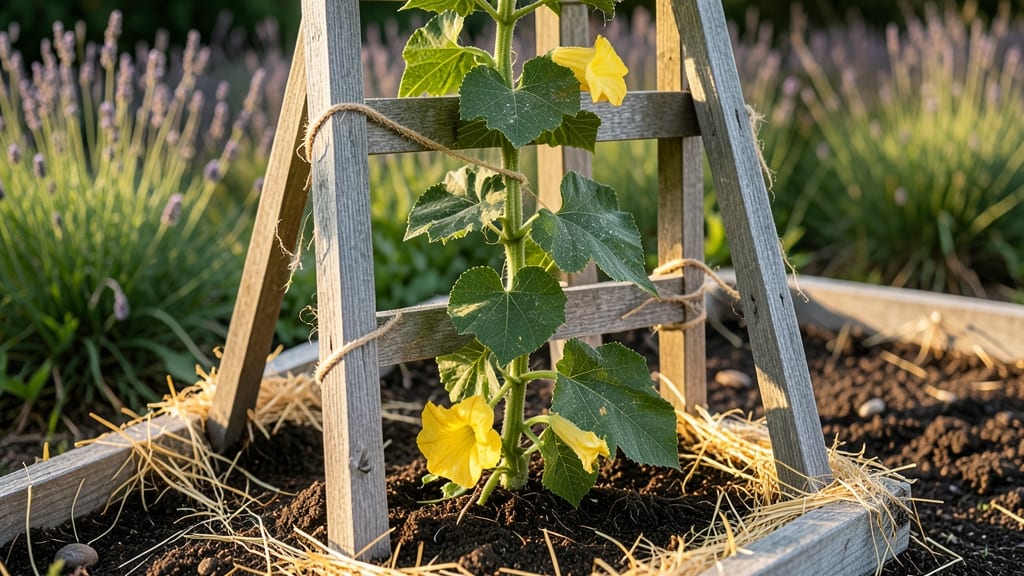
Growing squash vertically saves space while boosting yields—my zucchini plants now climb a 10-foot trellis, producing 50% more than when sprawled on the ground. 🌱 The key is choosing bushy vining varieties like 'Black Beauty' or 'Straightneck' that thrive when trained upward, plus a sturdy trellis that won’t topple under the weight of heavy fruits.
You’ll need a strong trellis (metal cages, A-frame structures, or sturdy stakes work best), twine or soft ties to secure vines, and well-draining soil rich in compost. Plant seeds 1 inch deep, then let vines climb naturally—no aggressive pruning needed unless you’re managing pests or space constraints.
By mid-summer, you’ll harvest straight, unblemished squash that’s easier to store and cook with. The vertical method also keeps fruits cleaner, reduces disease risk, and makes harvesting a breeze—no more bending over for hours. Plus, your neighbors will wonder how you fit so much in such a small plot.
Works for all summer squash varieties and even winter squash like butternuts. Just avoid heavy varieties like pumpkins—they’ll snap the trellis. Let’s get those vines climbing!
📚 In This Guide
- What you need
- Instructions
- Tips and common mistakes
- Wrapping up and next steps
What you need
- ● Squash Seeds or Seedlings: Choose vining varieties like butternut, spaghetti, or zucchini (avoid bush types).
- ● Quantity: 2–4 plants per trellis (spaced 12–18" apart).
- ● Trellis or Support Structure: Options: Cattle panels, A-frame trellises, wire mesh, or sturdy stakes (at least 6–8 ft tall).
- ● Width: 4–6 ft wide to accommodate multiple vines.
- ● Garden Soil or Containers: Well-draining, rich compost-amended soil (pH 6.0–6.8).
- ● Containers: 5-gallon pots or larger (if not in-ground).
- ● Fertilizer: Balanced 10-10-10 or compost (high in potassium for fruit development).
- ● Watering System: Drip irrigation or soaker hoses (to keep vines hydrated without wetting leaves).
- ● Pruning Shears or Scissors: For trimming excess growth or damaged vines.
- ● Tie Material: Soft jute twine, Velcro plant ties, or old T-shirts (to secure vines gently).
- ● Mulch: Straw or shredded leaves to retain moisture and suppress weeds.
- ● Shade Cloth: 30–50% coverage for hot climates (protects young plants).
- ● Pest Deterrents: Row covers or neem oil spray for cucumber beetles.
- ● Garden Gloves: For comfortable handling (squash vines can be prickly!).
Step-by-step instructions for growing squash vertically
Here’s how to transform sprawling squash vines into a tidy, high-yielding vertical garden.
🪴 Step 1: Choose the Right Trellis and Planting Site
Select a strong trellis system—I recommend A-frame or teepee designs made from 6-foot bamboo stakes or powder-coated metal cages (like those for tomatoes). These handle the weight of 3-5 pound squash without sagging. Install the trellis in full sun—squash needs at least 6-8 hours of direct light daily—and ensure the soil drains well. Heavy, soggy soil leads to rot, even with vertical support.
Space your trellises 3-4 feet apart to allow airflow. Crowding invites fungal diseases like powdery mildew, which thrives in humid, stagnant conditions. If your garden has partial shade, opt for bushier varieties like ‘Eight Ball’ or ‘Patty Pan’—they tolerate less sun better than sprawling types.
🌱 Step 2: Plant Seeds or Transplants at the Base
Sow 2-3 seeds per trellis (or transplant 1-2 established seedlings) at the center of the base. Bury seeds 1 inch deep in warm soil—squash germinates best at 70-85°F. If using transplants, dig a hole twice as wide as the root ball to encourage outward growth toward the trellis. Gently press soil around the roots but avoid compacting it—squash roots need loose, oxygen-rich soil to spread.
Water deeply right after planting to settle the soil and encourage root establishment. Use a soaker hose to avoid disturbing the seeds or young plants. Mulch the base with 2-3 inches of straw to retain moisture and suppress weeds. This keeps the soil consistently damp, which is critical for squash—dry spells stress plants and reduce yields.
☀️ Step 3: Train Vines Upward and Secure Growth
As vines reach 6-8 inches tall, gently weave them through the trellis in a figure-eight pattern to distribute weight evenly. Avoid twisting stems—this can damage the vascular tissue and stunt growth. Use soft plant ties (not wire or zip ties) to secure vines to the trellis every 12-18 inches. Check ties weekly; squash vines grow 1-2 feet per week and will quickly outgrow loose restraints.
Prune side shoots that grow downward or away from the trellis—focus energy on the main vine and fruit-bearing branches. Remove any leaves that block sunlight from lower vines, as squash fruits form at the nodes closest to the trellis. This ensures even ripening and prevents blossom-end rot from poor air circulation.
💧 Step 4: Water and Fertilize for Vertical Success
Water at the base (never overhead) to prevent fungal diseases. Aim for 1-1.5 inches of water per week, delivered deeply 2-3 times per week rather than daily shallow watering. Vertical squash are prone to blossom drop if stressed—consistent moisture keeps flowers pollinating reliably. Use a moisture meter to check soil depth; top 2 inches should stay damp but not waterlogged.
Fertilize every 3-4 weeks with a balanced organic fertilizer (like 5-5-5) to support vine growth and fruit development. Avoid high-nitrogen feeds—too much leafy growth at the expense of squash production. Side-dress with compost tea mid-season for a phosphorus boost, which encourages flowering and fruiting.
✂️ Step 5: Harvest and Prune for Continuous Production
Harvest squash when fully colored and firm to the touch—this varies by variety (e.g., yellow squash at 6-8 inches, zucchini at 8-10 inches). Use pruning shears to cut stems ½ inch above the fruit to avoid damaging the vine. Remove spent fruits immediately; leaving them on the vine exhausts the plant and reduces future yields.
After harvest, prune back any dead or diseased vines to redirect energy to remaining fruits. If your trellis is still sturdy and the season isn’t over, you can train new growth upward for a second flush of production. Just be prepared to reduce water slightly as temperatures drop—squash becomes less thirsty in cooler weather.
Tips & tricks for space-saving vertical squash growth
Transforming sprawling squash into a vertical garden isn't just about saving space—it's about maximizing yield and health. Here's what I've learned from years of experimenting with trellis systems that actually work.
Trellis Stability is Non-Negotiable: I can't stress this enough—your trellis must support 3-5 pound squash without bending. After testing multiple systems, I've found that 6-foot bamboo stakes arranged in a teepee design provide the best balance of stability and airflow. For heavier varieties like butternut, consider adding cross-bracing between stakes. The key is to secure the base with stakes driven 12 inches deep into the soil—this prevents toppling when vines get heavy mid-season.
Pruning Strategy for Maximum Yield: Focus your energy on the first 12-18 inches of vine growth—this is where 80% of your fruit will develop. When you see those side shoots growing downward, don't hesitate to prune them aggressively. I've found that removing every downward-growing shoot while keeping two strong upward branches per plant doubles my harvest. The secret? Use sharp pruning shears and make cuts at a 45-degree angle just above a leaf node—this encourages faster healing and prevents disease entry points.
Watering Wisdom for Vertical Plants: The 1-1.5 inches per week guideline is perfect, but timing matters just as much. I've learned the hard way that watering at the base in the early morning (before 9 AM) prevents fungal issues completely. The soil stays damp at the roots where it matters, while leaves dry quickly—this reduces humidity around the foliage where powdery mildew thrives. Pro tip: If your soil drains too quickly, add 2 inches of compost to the planting hole before installing your trellis. This creates a moisture reservoir that keeps roots happy.
Fertilizer Timing That Actually Works: The every 3-4 weeks schedule is spot-on, but I've refined the approach. Start with a light application of your 5-5-5 fertilizer when you see the first true leaves appear (about 2-3 weeks after planting). Then switch to compost tea when flowers form—this phosphorus boost is what triggers consistent fruiting. The key is to stop fertilizing 2 weeks before harvest; otherwise, you'll get leafy growth at the expense of sweet, flavorful squash.
Pro Tips for Grow Squash Vertically
- Transforming sprawling squash into a vertical garden isn't just about saving space—it's about maximizing yield and health.
- Trellis Stability is Non-Negotiable: I can't stress this enough—your trellis must support 3-5 pound squash without bending.
- Pruning Strategy for Maximum Yield: Focus your energy on the first 12-18 inches of vine growth—this is where 80% of your fruit will develop.
Frequently asked questions
Got questions about growing squash vertically? You’re not alone! Here are some of the most common concerns—and clear, actionable answers to help you succeed.
Can I grow all types of squash vertically?
Not all squash varieties thrive on trellises. Cucurbita pepo (like zucchini or summer squash) are the best candidates—they have strong vines and produce smaller fruits that handle vertical growth well. Avoid heavy varieties like butternut or winter squash; their weight can snap trellises. Stick to bush types or vining varieties labeled "trellis-friendly."
When should I start training squash vines upward?
Begin guiding vines upward once they’ve sprouted 3–4 true leaves (about 2–3 weeks after germination). Wait too long, and the vines may get tangled or too heavy for the trellis. Use soft ties or fabric strips to gently lift and secure them—never force growth. Early training = fewer broken stems later!
What if my squash vines won’t climb the trellis?
Squash vines are not naturally climbing plants like cucumbers—they’ll need encouragement! Weave vines through trellis slats or use twine loops to guide them upward. Prune side shoots to focus energy on upward growth, and ensure your trellis is sturdy enough to support 10+ pounds per vine. Patience pays off!
Are there alternatives to trellises for vertical growth?
Yes! If trellises aren’t an option, try:
- Cages: Wire or plastic cages (like tomato cages) work for bushier varieties.
- String Systems: Hang a strong rope between posts and let vines drape downward (great for small spaces).
- Hedges or Fences: Train vines along a sturdy fence or living hedge (e.g., sunflowers) for natural support.
Just avoid overcrowding—leave 12–18 inches between plants for airflow.
Why are my squash leaves turning yellow on a trellis?
Yellowing leaves often signal nutrient deficiency or overwatering. Squash on trellises need consistent moisture but hate soggy roots—water at the base, not the leaves. Check for pests (like squash bugs) or fungal issues (like powdery mildew), especially in humid climates. A balanced fertilizer (high in potassium) can help, but prune heavily affected leaves to redirect energy to fruit production.
Wrapping up and next steps
Growing squash vertically isn’t just a clever way to save space—it’s a game-changer for maximizing your harvest while keeping your garden tidy and organized. 🌱 With the right trellis, support, and a little patience, you’ll enjoy healthier plants, fewer pests, and easier access to your homegrown bounty.
Now that you’re armed with these techniques, why not try it this season? Start small with a few vines, experiment with different trellis styles, and watch your garden transform into a thriving vertical oasis!
Ready to level up your gardening? Grab your supplies, pick a sunny spot, and let those squash vines climb their way to success! 🌟