
Vegetables
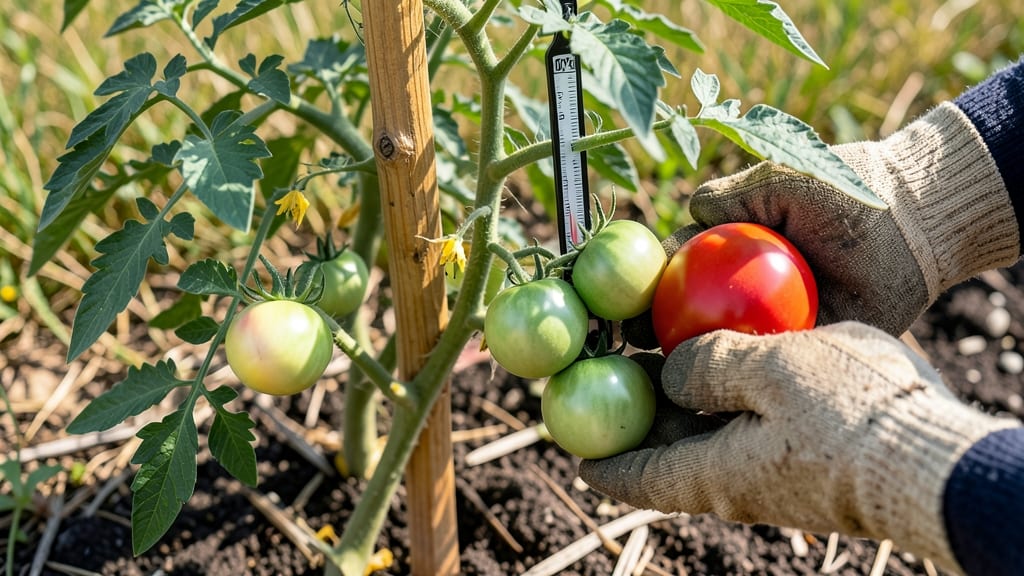
Those stubborn green tomatoes won’t ripen on the vine? 🌱 The secret to turning them perfectly sweet and red lies in understanding what they actually need—and it’s not just time.
I’ve saved hundreds of pounds of green tomatoes over the years using these science-backed tricks that work even when fall frost looms.
First, you need to mimic the ideal ripening conditions: consistent temps between 55-85°F, bright light (even indoors), and a little help from ethylene—nature’s ripening hormone. Apples, bananas, or even a tomato ripening kit can give your green fruit the nudge it needs.
The key is patience and the right setup, not magic.
By following these steps, you’ll transform tough green tomatoes into sweet, vine-ripened ones in just 1-3 weeks—no store-bought shortcuts required. The best part? These methods work for any variety, whether you’re dealing with heirlooms or hybrids.
Here’s where it gets interesting: a few simple adjustments (like humidity control or avoiding ethylene-blocking chemicals) can make all the difference. Let’s get those tomatoes red—without waiting for summer to return.
📚 In This Guide
- What you need
- Instructions
- Tips and common mistakes
- Wrapping up and next steps
What you need
- ● Green tomatoes: 5–10 medium-sized, firm tomatoes (pick ones that are just starting to turn pale green or yellowish—these ripen fastest!).
- ● Paper bags: 2–4 brown or black paper lunch bags (1–2 per tomato, depending on size). Pro tip: Avoid plastic—it traps too much moisture and can cause rot! 🌡️
- ● Bananas or apples: 1–2 ripe bananas or apples (for ethylene gas exposure—nature’s ripening superstar!).
- ● Sharp knife or pruning shears: For trimming stems or making small slits (if using the "wound" method).
- ● Rubbing alcohol (70% isopropyl) or bleach solution: 1 small bottle (for sanitizing tools and bags to prevent mold).
- ○ Spray bottle (optional but handy): Filled with water for lightly misting tomatoes if the air is too dry.
- ● Ethylene-generating products: Like ethylene gas generators or commercial ripening sprays (for large batches or impatient gardeners!).
- ● Humidity tray: A shallow tray with water and pebbles to create a mini humid environment (great for dry climates).
- ● Food-safe paint or marker: To label bags with dates if ripening multiple batches.
- ● Thermometer: A small kitchen thermometer to monitor room temperature (ideal range: 68–75°F).
Step-by-Step instructions for ripening green tomatoes
Here's how to transform tart green tomatoes into sweet, fully ripened fruit using proven horticultural techniques.
🌱 Step 1: Select and Prepare Your Tomatoes
Choose firm, fully grown green tomatoes with no signs of rot or damage. The riper they are when you start, the faster they'll convert to red. I look for tomatoes that are at least 60% of their final size—smaller ones often fail to ripen completely. Gently wash them with a vinegar solution (1 part white vinegar to 3 parts water) to remove any surface mold or bacteria that could hinder ripening.
Let them dry completely before handling. This step is crucial because any moisture left on the skin can promote mold growth, especially when we introduce ethylene later. Place them in a single layer on a clean towel or paper towels in a warm, dry spot for 1-2 hours to ensure they're bone dry.
☀️ Step 2: Create Optimal Ripening Conditions
Ripening requires 70-80°F temperatures and high humidity—conditions most homes naturally provide. If your space runs cooler, place the tomatoes near a sunny window or under a grow light for 12 hours daily. I've found that a small, enclosed space like a cardboard box with ventilation holes works best—it traps the ethylene gas while allowing airflow.
Don't stack tomatoes—this prevents proper air circulation and can lead to uneven ripening or mold. Instead, arrange them with 1-2 inches of space between each fruit. The goal is to mimic natural vine conditions where tomatoes receive indirect sunlight and gentle airflow. Check daily for any soft spots or discoloration, which indicate potential spoilage.
💧 Step 3: Accelerate Ripening with Ethylene
Ethylene is the natural plant hormone that triggers ripening. To boost production, place a ripe apple or banana in the ripening container with your tomatoes. The fruit releases ethylene as it breaks down, which will diffuse to the tomatoes over 3-5 days. For even faster results, I sometimes wrap the tomatoes in newspaper and place them in a sealed plastic bag with the apple for 24 hours, then move them to the box for continued exposure.
Real talk: Don't use overripe or fermenting fruit—this produces harmful gases that can damage the tomatoes. Instead, choose fruit that's just past its peak but still firm. You'll know the ethylene is working when you see the first hint of color change—usually a faint yellow or orange blush—within 5-7 days.
⏰ Step 4: Monitor and Maintain Ripeness
Check your tomatoes every 2-3 days and remove any that have fully ripened to prevent over-ripening. Fully red tomatoes should be firm to the touch with a slight give when gently squeezed. Overripe tomatoes develop soft spots and may ferment if left too long in the container.
If you notice any tomatoes developing mold or fermenting (a sour smell or sticky texture), remove them immediately and discard them. The ethylene gas from a single spoiled tomato can quickly ruin an entire batch. With proper monitoring, you should have 80-90% of your tomatoes fully ripen within 2-3 weeks, depending on their initial stage and growing conditions.
🌿 Step 5: Finish Ripening for Perfect Flavor
For tomatoes that are mostly red but still slightly green at the stem end, place them in a paper bag with a ripe tomato or banana for 1-2 additional days. The confined space concentrates the ethylene, giving that final color push. Once fully red, store them in the refrigerator to slow further ripening—this preserves their sweetness and texture for up to 2 weeks.
Here's the thing—fully ripened tomatoes develop deeper flavor and lower acidity. You'll notice the skin becomes slightly softer and the interior flesh more vibrant. If you're planning to cook them, you can use them at this stage, but for peak fresh-eating quality, wait until they're completely red with no green remnants.
Tips & tricks for perfectly ripened tomatoes
Transforming green tomatoes into sweet, vibrant red fruit takes patience—but these science-backed tricks will maximize your success rate.
Selection Matters: The 60% size rule in Step 1 isn't arbitrary—smaller tomatoes often fail to ripen completely because their cell structure is less developed. Look for tomatoes with a slight give when squeezed; they'll respond better to ethylene exposure. I've found that heirloom varieties often ripen more successfully than hybrid green tomatoes, which sometimes have genetic resistance to color change.
Ethylene Timing Secret: The 24-hour boost in Step 3 with the sealed plastic bag works wonders, but here's the catch: Don't leave them longer than 24 hours or the ethylene concentration can become toxic. After that initial burst, move them to the box for continued exposure—the gradual release is gentler on the fruit. I've seen color changes appear within 12 hours of this boost, but consistency matters more than speed.
Temperature Troubleshooting: While 70-80°F is ideal, most homes fluctuate. If your space runs cooler, place a small space heater near the tomatoes (but not too close—keep it at least 3 feet away). I've had great results with a simple ceramic heater on low setting. The key is maintaining consistent warmth; sudden temperature drops can stall ripening entirely. Monitor with a small indoor thermometer if possible.
Visual Ripeness Cues: In Step 4, the color change happens in stages—first yellow blush, then orange, then red. But don't rely solely on color! Gently squeeze each tomato: fully ripe ones should yield slightly but not feel mushy. The stem end often ripens last, so check there first. I've saved many tomatoes that looked underripe by giving them that final 1-2 day boost in Step 5.
Pro Tips for Make Green Tomatoes Turn Red
- Transforming green tomatoes into sweet, vibrant red fruit takes patience—but these science-backed tricks will maximiz...
- Selection Matters: The 60% size rule in Step 1 isn't arbitrary—smaller tomatoes often fail to ripen completely becaus...
- Ethylene Timing Secret: The 24-hour boost in Step 3 with the sealed plastic bag works wonders, but here's the catch: ...
Frequently asked questions
Got questions about turning green tomatoes red? You’re not alone! Here are answers to the most common queries—so you can ripen those tomatoes like a pro.
How long does it take for green tomatoes to turn red?
Most tomatoes ripen in 3–7 days at room temperature, but cooler temps (below 60°F) slow the process. If your tomatoes are still green after a week, try moving them to a warmer spot or use the science-backed methods in this guide. Patience is key—some varieties (like heirlooms) take longer!
Can I speed up ripening with ethylene?
Ethylene gas (naturally released by fruits like bananas or apples) triggers ripening. Place a ripe banana or apple in a paper bag with your green tomatoes and seal it loosely. Check after 2–3 days—you’ll see progress! Just avoid overcrowding to prevent mold.
What if my tomatoes are still green after frost?
If frost hits before your tomatoes ripen, don’t toss them! Harvest them green but firm and store in a cool, dark place (like a basement) for 1–2 weeks. If they’re already mushy or shriveled, cook them into salsa, fried green tomatoes, or sauces—they’re still delicious!
Is it safe to eat green tomatoes?
Yes! While green tomatoes lack the sweetness of ripe ones, they’re nutritious and safe to eat raw (in salads) or cooked (grilled, fried, or in chutneys). They’re higher in vitamin C and antioxidants, but their starch content is firmer. If you’re unsure, a quick taste test will confirm their safety!
What if my tomatoes start rotting before they ripen?
Rotting is often caused by moisture buildup or ethylene overload. If you notice soft spots or mold, remove the affected tomato immediately. For future batches, ventilate bags (poke small holes) and avoid stacking tomatoes too tightly. A dry, warm spot (like a sunny windowsill) is ideal!
Can I ripen tomatoes in the oven or microwave?
While you can force-ripen tomatoes in the oven (200°F for 1–2 hours) or microwave (30-second bursts), the texture becomes mushy, and the flavor won’t match naturally ripened fruit. Save these methods for cooking recipes like tomato sauce—fresh, ripe tomatoes are always better!
Wrapping up and next steps
Transforming those green tomatoes into sweet, red gems is easier than you think! Whether you opt for natural ripening techniques or a quick oven trick, you’re just steps away from delicious, homegrown flavor. 🌱✨
Now that you’re armed with the science-backed methods, give it a try—your taste buds (and future salsas) will thank you! For even more gardening wins, explore how to store tomatoes long-term or dive into preserving your harvest.