
Vegetables
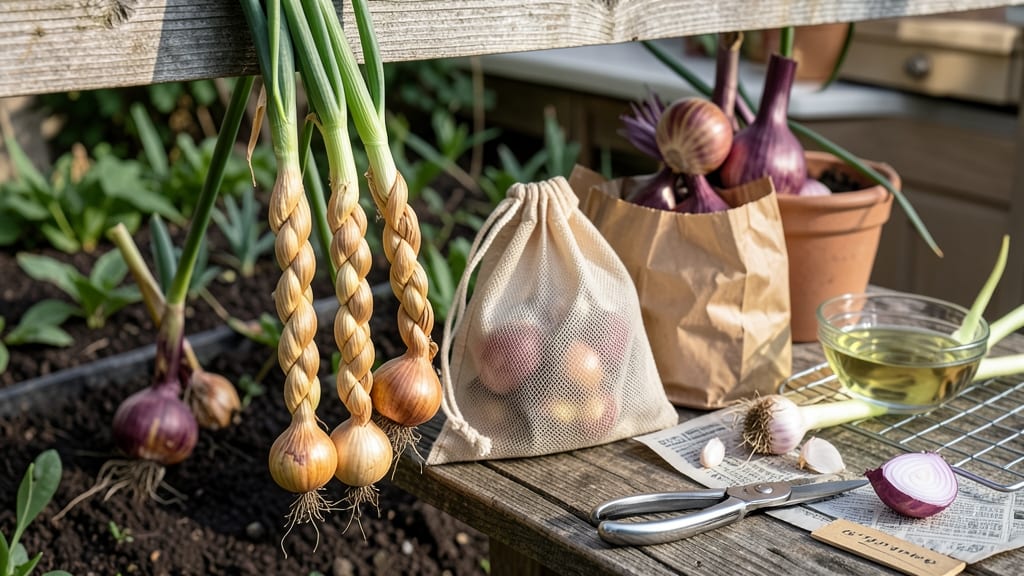
Preserving onions at home turns a summer harvest into year-round flavor. 🌱 I’ve saved dozens of pounds of onions from my garden using simple methods that keep them fresh through winter—no fancy equipment needed. The key is matching the preservation method to your onion type and storage space.
Sweet onions braid beautifully, yellows freeze perfectly, and reds stay crisp when pickled. My favorite trick? Drying onions in the oven preserves their sharpness for months. You’ll end up with onions that taste fresher than store-bought, whether you’re cooking soups in January or storing them for seed.
The process takes less than an hour, and the satisfaction of using homegrown onions all year is unbeatable. Works for any onion variety and storage setup—from pantry shelves to freezer bags. Here’s how to make it happen without waste.
📚 In This Guide
- What you need
- Instructions
- Tips and common mistakes
- Wrapping up and next steps
What you need
- ● Fresh onions: Choose firm, dry onions with intact skins and no sprouting (yellow, red, white, or sweet varieties work best). Aim for 5–10 lbs depending on your storage goals.
- ● Mesh bags or breathable fabric sacks: Opt for 100% cotton or onion-specific mesh bags (size: ~12–18 inches wide). Avoid plastic!
- ● Dry, well-ventilated space: A cool (50–60°F), dark pantry, basement, or garage with low humidity (use a hygrometer if needed).
- ○ Optional but helpful: Wooden crate or cardboard box (for extra airflow if storing loose onions).
- ● Food-grade diatomaceous earth (1–2 tbsp) to deter pests (sprinkle lightly on onions).
- ● Paper towels or newspaper (to dry onions before storage).
- ● 🌡️ Temperature matters: Onions stored above 60°F may sprout or rot faster. A cool, consistent environment is key!
- ● 🔄 Airflow is critical: Never store onions in sealed containers—moisture and ethylene gas (from onions themselves) speed up spoilage.
- ● 🚫 Avoid these: Refrigeration (causes onions to convert starch to sugar, making them sweeter and softer), plastic bags, or damp areas.
Step-by-Step instructions for preserving onions at home
Here's the simple method I use to store onions for months without losing flavor or freshness.
🪴 Step 1: Cure and Dry the Onions Properly
First, trim off any damaged or wilted outer layers using a sharp knife. I like to leave the roots intact—they help the onion draw out moisture during curing. Lay the onions in a single layer on a clean, dry surface in a well-ventilated area with 60-70°F temperatures and indirect sunlight for 3-5 days.
This drying process is crucial—it removes excess moisture that would cause rot later. You'll know they're ready when the outer skins feel dry and papery to the touch. If you live in a humid climate, consider using a fan on low to speed up drying while preventing mold.
☀️ Step 2: Choose Your Storage Method
For mesh bags, place 4-5 onions per bag (this keeps them from bruising). Tie the top securely but loosely enough to allow airflow. Store in a cool, dark place like a pantry or basement where temperatures stay between 40-50°F. These bags work best for onions you'll use within 2-4 months.
For braided onions, select onions of similar size and gently weave them into a single braid. Hang this in a dry, dark spot where the temperature remains below 60°F. This method preserves onions for 3-5 months while keeping their natural sweetness. I always use the smaller, sweeter onions for braiding—they hold up better during storage.
⏰ Step 3: Check and Rotate Regularly
Every 2-3 weeks, remove any onions that show signs of sprouting or soft spots. A gentle squeeze should reveal a firm onion—if it feels mushy, compost it immediately to prevent spoilage. I keep a small bowl nearby to catch any onions that might have started to sprout, so I can replant them as green onions.
Rotate your storage stock by using the oldest onions first. This prevents you from accidentally storing onions past their prime. If you notice mold developing on any onion, remove it immediately and check nearby onions for early signs of spoilage. Proper airflow is your best defense against mold and rot.
💧 Step 4: Freeze for Long-Term Storage (Optional)
If you have more onions than you can store through traditional methods, freezing is a great backup. Peel and slice the onions, then spread them on a baking sheet in a single layer. Freeze for 1 hour to prevent clumping, then transfer to airtight freezer bags. These frozen onions will keep for up to 1 year while maintaining most of their flavor.
For best results, label each bag with the date and onion type. When using frozen onions, I like to thaw them in the fridge overnight before cooking. They work well in soups, stews, and sauces where texture isn't as critical. Just remember—frozen onions won't be ideal for raw applications like salads.
Tips & tricks for perfectly preserved onions
Here's what nobody tells you about making your onions last longer than the grocery store ever intended.
Drying is Everything: In Step 1, don't rush the 3-5 day drying process—this is where the magic happens. I've learned the hard way that skipping this step leads to onions that rot within weeks. Place them in a spot with good airflow, like a well-ventilated porch or even your kitchen counter if it's not too humid. A fan on low speed can cut that drying time by about 24 hours, especially in damp climates. The goal is to get those skins completely papery—this tells you all the moisture has been drawn out.
Size Matters for Storage: When choosing your storage method in Step 2, pay attention to onion size. Larger onions store better in mesh bags because their thick skins protect them from bruising. For braiding, I always select smaller, sweeter varieties like red or yellow onions—they hold their shape better during the braiding process and store more consistently. If you mix sizes, the larger ones may crush the smaller ones, leading to spoilage.
Storage Temperature Secrets: The temperature ranges in Steps 2 and 3 are non-negotiable for long-term storage. I've found that keeping onions between 40-50°F is ideal for mesh bags, but never let them get below freezing—they'll start to convert to sugar and lose their fresh flavor. For braided onions, that "below 60°F" rule is crucial. If your pantry gets warm, consider moving them to a basement or garage where temperatures stay steady. A simple thermometer in your storage area can save you from spoiled onions.
Freezing Hack: If you're using the optional freezing method in Step 4, here's my pro tip: don't skip the 1-hour freeze on the baking sheet. This single step prevents the onions from clumping into one big frozen block. Once frozen, portion them into freezer bags based on how you'll use them—individual servings for soups or larger batches for stews. Labeling with the date ensures you use the oldest onions first, just like with fresh storage.
Pro Tips for Preserve Onions At Home
- Here's what nobody tells you about making your onions last longer than the grocery store ever intended.
- Drying is Everything: In Step 1, don't rush the 3-5 day drying process—this is where the magic happens. I've learned ...
- Size Matters for Storage: When choosing your storage method in Step 2, pay attention to onion size. Larger onions sto...
Frequently asked questions
Got questions about preserving onions like a pro?
Here are the answers to the most common ones—so you can keep your onions fresh and ready for cooking whenever you need them!
Can I freeze onions for long-term storage?
Freezing onions works best for cooked onions or chopped onions (like for soups or stir-fries). Raw whole onions freeze poorly—they turn mushy and lose texture. If you must freeze whole onions, blanch them first or freeze in a dry state (like in a bag with paper towels to absorb moisture). Thaw in the fridge before using.
How long do onions last when stored properly?
With the right method, onions can last 6–12 months in a cool, dark, and well-ventilated space (like a mesh bag or pantry). For freezing or fermenting, they’ll stay good for 8–12 months if sealed airtight. Always check for soft spots, sprouts, or mold—when in doubt, toss it!
What’s the best way to store onions if I don’t have a pantry?
No pantry? No problem! Store onions in a mesh bag or breathable container (like an onion sack) in a cool, dark place—think a basement, garage (if temps stay above freezing), or even a cardboard box in your kitchen. Avoid the fridge unless you’ve cut them, as cold and humidity speed up spoilage.
Can I preserve onions with vinegar or salt like pickles?
Fermented onions
(like red onions in vinegar or salt brine) are a great way to preserve them for months. For a quick version, slice onions thinly, layer in a jar with 5% apple cider vinegar or a 2% salt brine, and let sit for 1–2 weeks. Add garlic, herbs, or spices for extra flavor—perfect for sandwiches or salads!
Why did my stored onions sprout or rot faster than expected?
Onions sprout or rot quickly due to moisture, heat, or poor airflow. Keep them in a dry, well-ventilated spot (never in plastic bags or the fridge). If they’re damp, spread them out to dry first. Also, remove any damaged onions immediately—they can cause others to spoil faster. Pro tip: Never wash onions before storing—moisture is their enemy!
Wrapping up and next steps
Preserving onions at home is simpler than you think—and it’s a game-changer for reducing food waste while keeping your kitchen stocked with flavor! Whether you choose braiding, freezing, pickling, or fermenting, each method ensures your onions stay fresh for months.
With just a few tools and a little patience, you’ll never stress over spoilage again.
Ready to take the next step? Pick your favorite method from this guide and start preserving today! 🌱✨ Your future self (and your wallet) will thank you!