
Vegetables
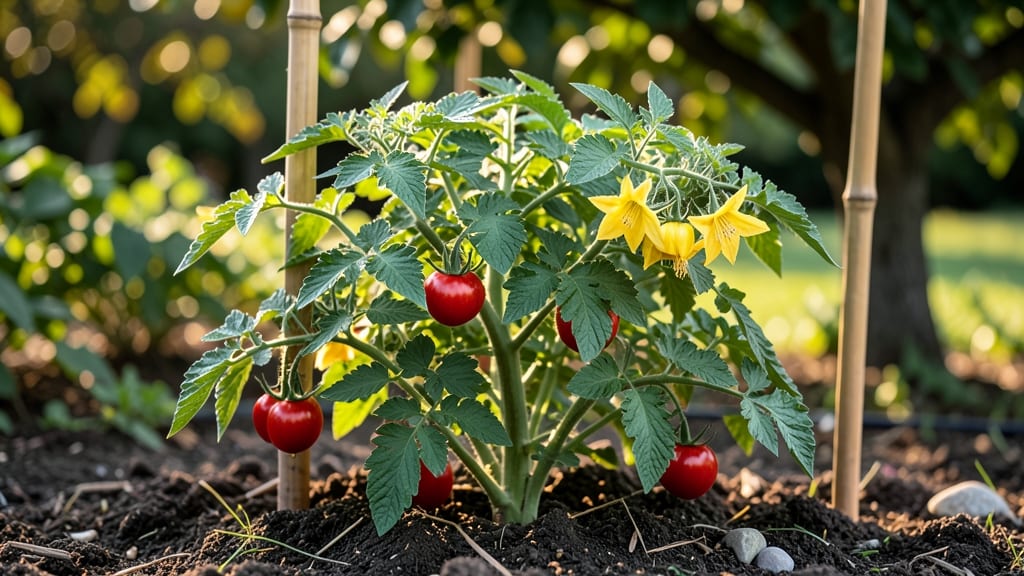
Growing husk cherry tomatoes means you get sweet, prolific harvests even when winter chills the air. 🌱 These cold-hardy perennials keep producing year after year, unlike annual tomatoes that check out after one season.
My first batch surprised me with two harvests in Zone 5—one in summer and another in early fall—without replanting. The secret lies in their adaptability: they thrive in poor soil, tolerate light frosts, and bounce back from neglect.
You’ll need full sun (6+ hours daily) and well-draining soil, but beyond that, they’re low-maintenance. I’ve grown them in containers, raised beds, and directly in the ground—all with the same reliable results. What you’ll love most is the flavor: tiny, tangy-sweet fruits that burst with juice.
A single plant can yield hundreds of tomatoes over multiple seasons, making them the ultimate space-efficient crop. Plus, they attract pollinators and deter pests naturally. Works in climates from Zone 3 to Zone 9, though colder regions may need winter protection. Here’s how to keep them thriving through every season!
📚 In This Guide
- What you need
- Instructions
- Tips and common mistakes
- Wrapping up and next steps
What you need
- ● Seeds: 5–10 husk cherry tomato seeds (organic or heirloom preferred)
- ● Potting mix: 1–2 gallons of well-draining, sterile seed-starting mix (or a blend of peat moss, perlite, and compost)
- ● Containers: 4–6 small pots (3–4 inches deep) or a seed tray with cells
- ● Grow lights or sunny windowsill: 6–8 hours of light daily (or a sunny spot with indirect light)
- ● Watering can or spray bottle: For gentle moisture control
- ● Garden bed or large container: At least 12 inches deep, with loose, fertile soil (amend with compost if needed)
- ● Mulch: Straw or shredded leaves (2–3 inches) to retain moisture and suppress weeds
- ○ Fertilizer (optional): Balanced organic fertilizer (5-5-5 or 10-10-10) or compost tea for a nutrient boost
- ● Trowel or small shovel: For transplanting seedlings
- ○ Garden gloves (optional): To protect hands from prickly husks
- ○ Pruning shears (optional): For shaping plants or removing damaged leaves
- ● Harvesting basket or container: To collect those sweet, papery-wrapped fruits!
Step-by-step guide for planting and cultivating husk cherry tomatoes
This hardy perennial thrives with minimal fuss—here’s how to get it growing strong.
🌱 Step 1: Choose the Right Location and Prepare the Soil
Husk cherry tomatoes love full sun—at least 6-8 hours daily. I pick a spot where they’ll get morning sun and afternoon shade if your summers run hot. The soil should drain well but hold moisture; these plants hate soggy roots.
Loosen the top 12 inches of soil with a fork or tiller, breaking up any compacted layers. Mix in 2-3 inches of compost to enrich the soil naturally. Husk cherries tolerate poor soil better than most tomatoes, but a little organic matter helps them produce more reliably.
🌿 Step 2: Plant Bare-Root or Container-Grown Starts
If planting bare-root plants, soak the roots in lukewarm water for 30 minutes before handling. Dig a hole just deep enough to bury the root zone—no deeper than where the soil line was on the original plant. Space them 3-4 feet apart; they’ll spread over time.
For container-grown starts, remove the plant from its pot and gently tease apart any circling roots. Place it in the hole so the top of the root ball sits 1 inch below soil level. Backfill with native soil, pressing lightly to eliminate air pockets. Water deeply right after planting to settle the soil around the roots.
☀️ Step 3: Water and Mulch for Year-Round Success
Water newly planted husk cherries deeply once a week unless rainfall provides 1 inch of moisture. These plants are drought-tolerant once established, but consistent watering in their first year encourages strong root growth. You’ll know they’re getting enough water when the soil feels damp 2-3 inches down.
Spread 2-3 inches of organic mulch around each plant, keeping it 2 inches away from the stem to prevent rot. I use straw or shredded leaves because they break down slowly and improve soil structure over time. Mulch also helps regulate soil temperature, protecting roots in winter.
✂️ Step 4: Prune and Support for Healthier Growth
Prune suckers (the small shoots that grow in the leaf axils) in early summer to focus the plant’s energy on fruit production. I remove them when they’re still small—about 2-3 inches long. This keeps the plant manageable and improves air circulation, reducing disease risk.
Install a light trellis or stakes early in the season to support the plant as it grows. Husk cherries can get top-heavy with fruit, and a little support prevents stems from snapping. Tie the main stems loosely with soft twine, adjusting as the plant grows taller.
🌱 Step 5: Overwintering for Perennial Regrowth
In fall, reduce watering as temperatures drop, but don’t let the soil dry out completely. Once the first frost hits, cut back the foliage to 6 inches above ground level. This encourages new growth in spring and prevents disease from overwintering in dead leaves.
Mulch heavily with 4-6 inches of straw or leaves before winter to insulate the roots. Husk cherries are cold-hardy, but extra protection ensures they’ll bounce back stronger in spring. Remove the mulch in early spring once new growth appears.
Tips & tricks for perfect husk cherry tomato cultivation
Here's what nobody tells you about growing these hardy plants—simple secrets that'll make all the difference.
The Sunlight Secret: Those 6-8 hours of full sun are non-negotiable, but I've found the best spot gets morning sun and afternoon shade in hot climates. This prevents leaf scorch while still giving them the energy they need for fruit production. If your summers are brutal, consider a light shade cloth (30% shade) during peak afternoon hours—it makes a huge difference in plant health.
Root Revival Technique: When soaking bare-root plants for 30 minutes before planting, I add a handful of mycorrhizal fungi to the water. This helps establish beneficial root relationships right from the start. For container-grown starts, gently teasing apart circling roots prevents girdling as the plant grows—something I learned the hard way after losing a few plants to restricted root growth.
Watering Wisdom: The 1 inch of weekly moisture guideline works well, but I check soil dampness 2-3 inches down with my finger. If it's dry at that depth, it's time to water. For the first year, I water deeply once a week unless we've had recent rain—this encourages those roots to grow deep and strong. In containers, you'll need to water more frequently, sometimes every 2-3 days depending on your climate.
Winter Protection Hack: That 6 inches of mulch before winter is crucial, but I always add a layer of bubble wrap or cardboard underneath the straw or leaves. This creates an extra insulating barrier against freezing temperatures. In my zone 5 garden, this simple addition has kept my plants thriving through winters that would otherwise be too harsh for them.
Pro Tips for Husk Cherry Tomato
- Here's what nobody tells you about growing these hardy plants—simple secrets that'll make all the difference.
- The Sunlight Secret: Those 6-8 hours of full sun are non-negotiable, but I've found the best spot gets morning sun an...
- Root Revival Technique: When soaking bare-root plants for 30 minutes before planting, I add a handful of mycorrhizal ...
Frequently asked questions
Got questions about growing and enjoying husk cherry tomatoes? You’re not alone—this unique, cold-hardy plant has its own quirks! Here are answers to the most common queries to help you cultivate (and savor) success.
Can husk cherry tomatoes survive winter in cold climates?
One of their biggest perks is their cold-hardiness—they can tolerate light frosts (down to 15–20°F) and even regrow from the roots in spring. In zones 5–9, they often act as a perennial, while in colder regions, mulching heavily or growing in containers with winter protection (like row covers) works wonders. Pro tip: Prune back dead foliage in late fall to encourage stronger regrowth.
How long does it take for husk cherry tomatoes to produce fruit?
Patience pays off! From seed, expect 60–90 days to first harvest, but since they’re perennials, established plants may fruit earlier in subsequent years (sometimes as early as 45 days). Early spring or late summer flushes are common, with peak production in warm weather. Speed up fruiting by pinching back leggy growth early to focus energy on flowering.
Are husk cherry tomatoes as sweet as regular cherry tomatoes?
Yes—but with a twist! They’re sweeter and more flavorful than many hybrid cherry tomatoes, thanks to their natural resilience and slower growth. However, their tart, tangy edge makes them ideal for sauces, salsas, or fresh snacks (think “sun-dried” flavor without drying). For ultra-sweetness, harvest when fully red and slightly soft to the touch.
What can I do if my husk cherry tomato plant isn’t fruiting?
Common culprits include lack of sunlight (they need 6+ hours/dayover-fertilizing with nitrogen (which boosts leaves, not fruit), or poor pollination. Try these fixes:
- Move to sunnier spot or extend light with grow bulbs.
- Switch to a balanced fertilizer (10-10-10) or compost tea.
- Hand-pollinate by gently shaking plants or using a paintbrush to transfer pollen.
- Check for pests (like whiteflies) that may hinder flowering.
Can I grow husk cherry tomatoes in containers?
Yes! They thrive in containers as long as the pot is at least 12–18 inches deep with drainage holes. Use a well-draining potting mix and a 5-gallon container minimum for one plant. Place in full sun and water consistently (containers dry out faster). Container-grown plants are easier to overwinter indoors in cold climates—just move them to a cool, bright spot (50–60°F) and reduce watering.
Wrapping up and next steps
Growing husk cherry tomatoes is a rewarding way to enjoy a cold-hardy, perennial vegetable that keeps giving—literally! With minimal effort, you can harvest sweet, tangy fruits year after year, even in colder climates.
Whether you're a seasoned gardener or just starting out, this resilient plant is a game-changer for low-maintenance, high-reward gardening.
Ready to take the next step? Start with a single plant this season and watch it thrive—then expand your garden with confidence! 🌱✨