
Vegetables
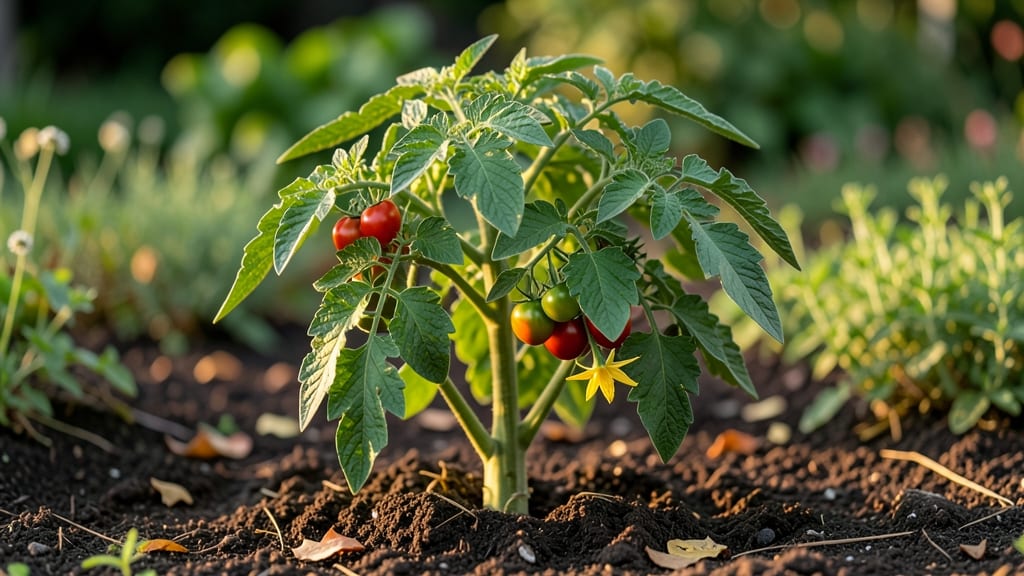
Growing Husky Red tomatoes in cold climates isn't just possible—it's my favorite way to beat short seasons. 🌱 This heirloom variety thrives where others fail, delivering sweet, meaty fruits even when temps dip below 50°F at night. The secret?
Timing, soil warmth, and a few smart tricks that turn "too cold" into "prime growing weather." You'll need 6-8 hours of sunlight daily, a black plastic mulch to warm the soil, and cage support for those 6-foot vines.
The soil mix should be rich in compost—Husky Reds demand nutrients to fuel their cold-hardy growth. Start seeds indoors 8-10 weeks before last frost, then transplant carefully to avoid shocking the roots. Once established, these plants reward patience with vibrant red, beefsteak-style tomatoes that burst with flavor.
Prune suckers regularly to focus energy on fruit production, and watch for early blight—this variety is susceptible, so space plants for airflow. Harvest when fully colored and firm; they'll keep ripening indoors if picked green. Cold nights? No problem.
With these steps, you'll harvest tomatoes in July that taste like summer all year. Even my neighbor's skepticism turned to envy when he tasted my first crop—proof that cold climates can grow gourmet tomatoes too.
📚 In This Guide
- What you need
- Instructions
- Tips and common mistakes
- Wrapping up and next steps
What you need
- ● Husky Red tomato seeds or seedlings: 3–5 plants (start seeds indoors 6–8 weeks before last frost or buy transplants).
- ● Containers or garden beds: Containers: 5-gallon pots or larger (1 per plant). Ensure they have drainage holes.
- ● Garden beds: Well-draining soil in a sunny spot (6+ hours of sunlight daily).
- ● High-quality potting mix: 10–15 lbs (look for a blend with compost or aged manure).
- ● Tomato cages or stakes: 6–8 ft tall (1 per plant to support vines).
- ● Balanced fertilizer: 10-10-10 or organic option (e.g., compost tea).
- ● Mulch: Straw or shredded leaves (2–3 inches) to retain moisture and warmth.
- ● Watering can or hose with a gentle nozzle: For deep, consistent watering.
- ● Row covers or frost blankets: To extend the growing season in chilly areas.
- ● Grow lights: If starting seeds indoors before spring.
- ● Pruning shears: For trimming suckers and shaping plants.
- ● Epsom salt: (1 tbsp per plant monthly) for a magnesium boost.
- ● Drip irrigation kit: For automated, efficient watering.
Step-by-Step instructions for growing Husky Red tomatoes in cold climates
Here's how I grow robust Husky Red tomatoes—even when spring lingers late.
🌱 Step 1: Start Seeds Indoors for Early Head Start
Plant seeds 6-8 weeks before your last frost date in biodegradable pots filled with sterile seed-starting mix. Husky Reds thrive with warmth—place pots on a seedling heat mat set to 75-85°F. Cover with a humidity dome and expect germination in 7-10 days if kept consistently moist.
Use a grow light positioned 2-4 inches above seedlings once they sprout. Without enough light, they’ll stretch toward the window, growing weak stems. I rotate the pots daily to prevent leaning—you’ll see uniform growth within a week.
☀️ Step 2: Harden Off and Transplant After Frost Risk Passes
Two weeks before transplanting, move pots outside for 1-2 hours daily, gradually increasing exposure. Husky Reds handle cooler temps better than most varieties, but sudden cold snaps can shock them. Wait until soil warms to 60°F before planting—use a soil thermometer to confirm.
Dig holes twice as wide as the root ball to encourage root spread. Space plants 24-36 inches apart—crowding invites disease. Bury stems deeper than the pot line to strengthen stability and promote additional root growth.
💧 Step 3: Water Deeply and Mulch for Consistent Moisture
Water at the base of the plant in the morning to prevent fungal issues. Husky Reds need 1-1.5 inches of water weekly, but adjust based on rainfall. Let the top inch of soil dry between waterings—wilting leaves signal thirst, but soggy soil invites rot.
Apply 2-3 inches of organic mulch (like straw) to retain moisture and regulate soil temperature. This is especially critical in cold climates—mulch keeps roots 5-10°F warmer during chilly nights. Avoid mulching too close to stems to prevent rot.
✂️ Step 4: Prune and Support for Maximum Yield
Remove suckers (side shoots between main stems and branches) when they’re 2-3 inches long to redirect energy to fruit production. Prune in the morning so wounds dry quickly, reducing disease risk. Leave 2-3 main stems for balanced growth.
Install stakes or cages at planting to support the plant as it grows—Husky Reds can reach 4-5 feet tall. Tie stems loosely with soft plant ties every 12 inches to prevent wind damage. Harvest when tomatoes turn deep red and yield slightly to pressure.
Tips & tricks for perfect Husky Red tomato growth
Common cold-climate challenges—and how to conquer them for a thriving harvest.
Heat Matters: In Step 1, maintaining that 75-85°F range on your seedling heat mat is non-negotiable for germination. I've seen seeds fail to sprout when temps dip below 70°F—use a thermometer to monitor consistently. For extra insurance, place a second heat mat beneath the pots if your space runs cool.
Lighting Strategy: The 2-4 inch grow light positioning in Step 1 is critical, but don't forget to adjust as seedlings grow. I raise my lights incrementally every 5-7 days to maintain this distance—otherwise, you'll get leggy, weak stems that can't support the plant's eventual height. A timer set for 14-16 hours daily mimics natural daylight perfectly.
Transplant Timing: Waiting for 60°F soil before transplanting in Step 2 prevents shock, but don't rush the 1-2 hour daily hardening process. I start with just 30 minutes on day one, then add 30 minutes each subsequent day. This gradual transition helps Husky Reds develop stronger cell walls to handle temperature fluctuations—especially important in cold climates where nights can still drop below freezing.
Pruning Precision: When removing those 2-3 inch suckers in Step 4, aim for clean cuts just above where the sucker meets the main stem. I use sharp pruning shears dipped in rubbing alcohol between cuts to prevent disease transmission. The 12 inch spacing between ties is perfect—any tighter and you risk constricting the stems as they grow.
Pro Tips for Husky Red Tomato
- Common cold-climate challenges—and how to conquer them for a thriving harvest.
- Heat Matters: In Step 1, maintaining that 75-85°F range on your seedling heat mat is non-negotiable for germination. ...
- Lighting Strategy: The 2-4 inch grow light positioning in Step 1 is critical, but don't forget to adjust as seedlings...
Frequently asked questions
Got questions about growing Husky Red tomatoes? You’re not alone—this cold-hardy variety has its own quirks! Below, we’ve rounded up the most common queries to help you grow a bountiful harvest with confidence.
How cold can Husky Red tomatoes tolerate?
Husky Reds are one of the few tomatoes that can handle light frosts (down to 28°F/-2°C) and thrive in cooler climates (USDA Zones 3-9). Start seeds indoors 8-10 weeks before your last frost date, then transplant seedlings after soil warms to 50°F/10°C. For extra protection, use row covers or black plastic mulch to speed up soil warming.
When should I expect fruit, and how long does it take?
Husky Reds mature in 75-85 days from transplanting, but don’t rush them! In cooler climates, they may take 10-14 days longer to ripen. Expect the first tomatoes in late summer to early fall, with peak production in September-October. Patience pays off—these tomatoes sweeten as fall cools!
Why aren’t my Husky Red tomatoes ripening?
If your tomatoes stay green or turn mealy, it’s often due to cool temps, low light, or overcrowding. Try these fixes:
- Extend the season with a cold frame or hoop house.
- Prune plants to improve airflow and focus energy on fruit.
- Use a plant heat mat (20-30W) to warm roots if nights dip below 50°F/10°C.
Can I grow Husky Reds in containers?
These tomatoes thrive in 5-gallon containers or larger (at least 12” deep). Use a well-draining potting mix with added compost, and choose a self-watering pot to prevent root stress. Place containers in full sun (6+ hours/day) and fertilize weekly with liquid tomato food after flowering. Just avoid overcrowding—space plants 18-24” apart.
What’s the best way to use Husky Red tomatoes?
These meaty, low-acid tomatoes shine in:
- Raw dishes: Caprese salads, tomato-basil bruschetta, or sliced on sandwiches.
- Cooked: Sauces (they’re less watery than other varieties), salsa, or roasted with garlic.
- Preserving: Canning (great for whole-packed tomatoes) or freezing for winter soups.
Wrapping up and next steps
Growing Husky Red tomatoes in cold climates isn’t just possible—it’s rewarding! With the right timing, sturdy supports, and a little patience, you’ll enjoy a bountiful harvest of sweet, flavorful tomatoes even when the weather tries to slow you down. 🌱❄️
Ready to take the next step? Start by marking your calendar for next year’s planting season—whether it’s through transplants or seeds—and give these hardy tomatoes a try. Your future self (and your taste buds!) will thank you.