
Vegetables
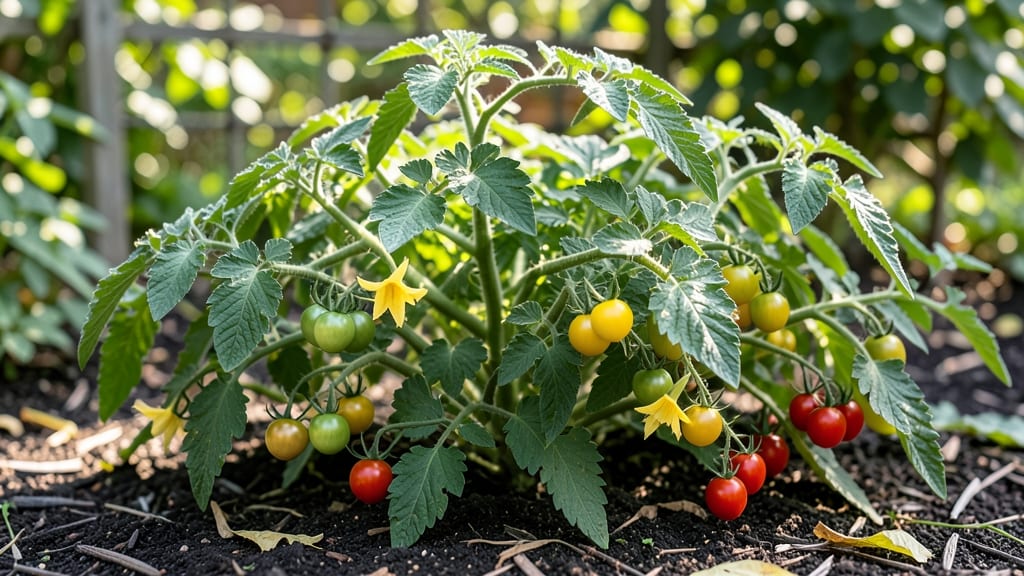
Growing indeterminate cherry tomatoes changed how I think about summer harvests—these vines keep producing long after regular tomatoes quit. 🌱 The secret lies in their cold-hardy nature and relentless growth habit, which means you can harvest fresh, sweet tomatoes from early summer straight through fall (and sometimes even after a light frost).
These plants aren’t just productive—they’re perennial in warmer climates, meaning they regrow year after year with proper care. You’ll need well-draining soil, sturdy trellising (they can grow 10-15 feet tall!), and consistent watering to keep those clusters bursting with flavor.
The key is training the vines early to climb, which prevents disease and makes harvesting a breeze.
By mid-summer, you’ll be snipping pint-sized tomatoes every few days, and the plants will keep going until frost. The flavor? Sweeter and more complex than store-bought, with a burst of tangy-sweetness that’s impossible to resist.
Plus, they’re disease-resistant compared to other varieties, so you spend less time spraying and more time enjoying the harvest.
Whether you’re a first-time gardener or a seasoned pro, indeterminate cherry tomatoes are a game-changer for small spaces, containers, or even vertical gardens. The best part? You can save seeds and replant the same variety year after year. Let’s get those vines growing!
📚 In This Guide
- What you need
- Instructions
- Tips and common mistakes
- Wrapping up and next steps
What you need
- ● Indeterminate cherry tomato plants: Choose cold-hardy varieties like 'Siberian' or 'Black Cherry' (3–5 plants per gardener, depending on yield goals).
- ● Well-draining soil: Mix 60% native soil with 40% compost or aged manure (aim for a pH of 6.0–6.8).
- ● Organic mulch: Straw, shredded leaves, or wood chips (2–3 inches thick to insulate roots).
- ● Fertilizer: Balanced organic fertilizer (10-10-10) or compost tea (apply at planting and mid-season).
- ● Drip irrigation or soaker hoses: For consistent moisture (avoid overhead watering).
- ● Garden trowel or transplanter: For planting seedlings gently.
- ● Pruning shears: To trim suckers and encourage bushier growth.
- ● Trellis or stakes: 5–6 ft tall (indeterminate varieties need support!).
- ○ Row covers or frost cloth: For early/late-season protection (optional but helpful in Zone 5+).
- ● Sunlight access: Full sun (6–8+ hours daily).
- ● Patience: These perennials take 2–3 years to reach full productivity!
- ● Slow-release fertilizer pellets for convenience.
- ● Cage-free tomato supports (like A-frame trellises).
- ● Soil thermometer to monitor root-zone temps in early spring.
- ● Companion plants (basil, marigolds, or nasturtiums to deter pests).
How to grow indeterminate cherry tomatoes as cold-hardy perennials
Here’s the method I’ve perfected for treating these vigorous plants as year-round producers—no annual replanting needed.
🌱 Step 1: Select the Right Variety and Planting Site
Indeterminate cherry tomatoes like 'Solar Fire' or 'Black Cherry' thrive in zones 7-11 when treated as perennials. Choose a location with full sun exposure (6+ hours daily) and well-draining soil—these plants hate soggy roots. I always test soil pH first (aim for 6.0-6.8), because acidic soil stunts growth.
Amend heavy clay with 2-3 inches of compost before planting. The key is mimicking their natural Mediterranean habitat: warm days, cool nights, and excellent drainage. If your soil is sandy, mix in 1 inch of organic matter to retain moisture without compacting.
☀️ Step 2: Establish Proper Support and Pruning Framework
Install a 6-foot-tall tomato cage or sturdy trellis at planting time—indeterminate varieties grow aggressively and need vertical support from day one. I use bamboo stakes tied with soft twine to avoid damaging stems as they thicken. Prune suckers (the shoots that form in leaf axils) weekly to direct energy into fruit production.
Watch for the first flower clusters to appear—these are your harvest signals. Remove any flowers that form before 60 days after transplanting to encourage stronger root and vine development first. This prevents early fruit from sapping the plant’s cold-hardening reserves.
💧 Step 3: Water and Fertilize for Winter Hardiness
Water deeply 2-3 times per week during active growth, but reduce to once weekly in fall as temperatures drop below 50°F. The goal is to establish a strong root system that can withstand light frosts. I always water at the base—not overhead—to prevent fungal diseases that thrive in cold, damp leaves.
Apply a balanced 10-10-10 fertilizer every 4-6 weeks during the growing season, then switch to a low-nitrogen, high-potassium formula (5-10-10) in late summer. This shift hardens the plant for winter. Mulch with 2-3 inches of straw in fall to insulate roots from temperature swings.
⏰ Step 4: Protect and Prune for Overwintering Success
When nighttime temperatures drop below 32°F, cover the base of plants with 6-8 inches of straw mulch and wrap vines loosely with frost cloth. I’ve seen these plants survive -10°F with proper protection—just monitor for ice buildup, which can snap stems. Prune back 2/3 of the foliage before the first hard frost to reduce moisture loss.
In early spring, remove winter mulch and prune back any damaged growth. New shoots will emerge from the base and crown—these are your regrowth signals. Thin to 4-6 main stems per plant to ensure air circulation and prevent disease. This is when you’ll see why indeterminate cherries are worth the effort: they bounce back like weeds.
🌿 Step 5: Resume Growth and Harvest Year-Round
Once new growth reaches 6 inches tall, resume regular pruning and fertilizing. The plant will produce fruit continuously if you maintain consistent moisture and support. I harvest cherries every 2-3 days to encourage more blooms—overripe fruit signals the plant to slow production.
Here’s the secret: indeterminate cherries reward patience. By next season, your plants will be 3-4 feet wide with multiple trunks, producing more fruit than annuals. The trade-off? They need more space and attention—but the payoff is a garden that keeps giving, frost after frost.
Tips & tricks for perfect cold-hardy cherry tomatoes
These game-changing strategies will help your indeterminate cherry tomatoes thrive year after year—no matter how harsh your winter gets.
Soil Preparation Secret: Before planting, mix in 1 cup of bone meal into your amended soil for phosphorus boost. This encourages strong root development and better cold tolerance. The 2-3 inches of compost mentioned in Step 1 is non-negotiable—it improves drainage while retaining moisture, which is critical for winter survival. Think of it as creating a Mediterranean microclimate right in your garden.
Support System Upgrade: For the 6-foot-tall support in Step 2, I recommend installing a U-shaped metal cage instead of bamboo stakes. These commercial cages provide better stability during heavy winds and snow loads. If you choose bamboo, tie it with soft garden twine rather than wire—wire cuts into stems as they thicken. This simple change prevents stem damage that can weaken your plants during winter.
Winter Protection Hack: When covering with frost cloth in Step 4, leave the top 12 inches uncovered to prevent moisture buildup. This small adjustment prevents ice formation that could snap stems at -10°F. I also add a second layer of row cover when temperatures drop below 25°F for extra insulation. The key is balancing protection with airflow to prevent fungal issues.
Harvest Timing Strategy: For continuous production, harvest when cherries reach ¾ inch size—smaller than store-bought but sweeter. The 2-3 day harvest interval in Step 5 works best when you pick in the morning after dew has dried. This prevents overripe fruit from signaling the plant to slow production. Think of it as giving your plant a constant "go" signal rather than letting it rest.
Pro Tips for Indeterminate Cherry Tomatoes
- These game-changing strategies will help your indeterminate cherry tomatoes thrive year after year—no matter how harsh your winter gets.
- Soil Preparation Secret: Before planting, mix in 1 cup of bone meal into your amended soil for phosphorus boost.
- Support System Upgrade: For the 6-foot-tall support in Step 2, I recommend installing a U-shaped metal cage instead of bamboo stakes.
Frequently asked questions
Got questions about growing indeterminate cherry tomatoes? You’re not alone—these cold-hardy perennials are a game-changer, but they do come with unique quirks! Here are answers to the most common queries to help you cultivate a thriving harvest.
Can indeterminate cherry tomatoes survive frost?
Yes! Unlike annuals, these cold-hardy perennials can tolerate light frosts (down to 15–20°F) if properly mulched. Their roots often regrow after frost damage, especially in milder climates. For extra protection, cover plants with frost cloth or row covers during unexpected cold snaps.
How long does it take for indeterminate cherry tomatoes to regrow after frost?
Regrowth time varies, but you’ll typically see new shoots within 2–4 weeks after frost damage, provided the roots stayed intact. Warm soil and consistent moisture speed up recovery. Prune dead vines to redirect energy to fresh growth—think of it as a natural reset button!
Are indeterminate cherry tomatoes different from regular cherry tomatoes?
Indeterminate varieties keep producing all season (even after frost) until killed by hard freezes, while regular (determinate) cherry tomatoes set fruit in one go. Indeterminate plants also grow vining (6–10+ feet) and need staking or trellising—ideal for containers or vertical gardens!
What’s the best way to overwinter indeterminate cherry tomatoes?
Mulch heavily with straw or leaves (4–6 inches) to insulate roots, and trim back vines to 12 inches. In colder zones, dig up pots or mound soil around the base. Water sparingly in winter to prevent rot. With care, they’ll bounce back stronger in spring!
Can I grow indeterminate cherry tomatoes in containers?
Yes! Choose a 5-gallon+ container with drainage, and use a lightweight potting mix. Dwarf or compact varieties (like ‘Tiny Tim’) work best. Place containers in full sun, and fertilize weekly with a balanced feed. Just ensure the pot stays warm—roots in containers freeze faster than in-ground plants.
Why aren’t my indeterminate cherry tomatoes producing after frost?
Check for root damage (gentle tug on vines—if they pull easily, roots may be compromised). Also, verify soil temps (60°F+ for growth) and pollination (hand-pollinate if bees are scarce). Overcrowding or nutrient deficiencies can stall regrowth too—feed with compost tea or a low-nitrogen fertilizer.
Wrapping up and next steps
Indeterminate cherry tomatoes are a gardener’s dream—cold-hardy, prolific, and endlessly rewarding!
Whether you’re a seasoned grower or just starting, these perennials prove that resilience and flavor go hand in hand. 🌱❄️ Now that you’re armed with the how-to and answers to common questions, it’s time to roll up your sleeves and plant.
Start small—try a few plants in containers or your garden bed—and watch your confidence (and harvest!) grow. Happy gardening!