
Vegetables
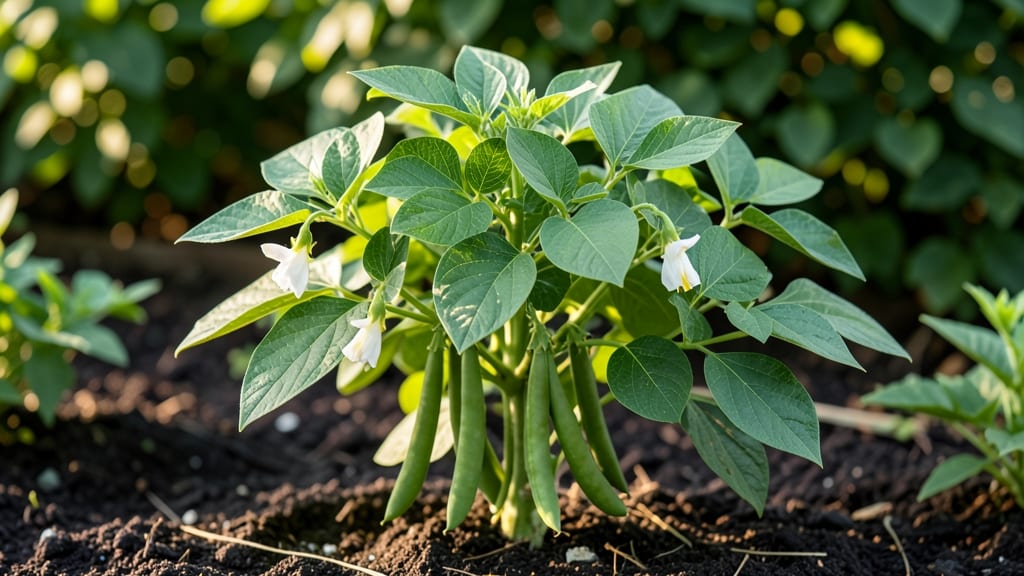
Growing Jacob Cattle beans from cloves isn’t just gardening—it’s unlocking a secret to endless harvests. 🌱 These heirloom beans produce 3-4 times more beans than store-bought varieties, and with the right technique, you can harvest fresh pods for months after planting. The key?
Understanding their unique propagation method and how to coax them into regrowing year after year. These beans thrive in Zones 5-10, where they love full sun (6+ hours daily) and well-draining soil with a pH of 6.0-7.0.
Unlike traditional beans, Jacob Cattle grows best when planted deeply (1-2 inches below soil) and spaced 6-8 inches apart in rows 3 feet apart. If you’re growing them as pole beans, a 5-6 foot trellis will keep vines off the ground and pods accessible—no more bending over!
Watering is simple: 1 inch per week, but keep soil consistently moist during flowering and podding. A light balanced fertilizer (10-10-10) at planting and again when flowers appear boosts productivity.
The real magic happens when you save and replant the cloves—those dried seeds can sprout fresh plants for years, making this a zero-waste, high-reward crop. Watch for bean beetles and Japanese beetles, which love these sweet pods.
A row cover early in the season or neem oil spray keeps pests at bay. Harvest when pods are firm but slightly soft—snip them with scissors to avoid damaging the vine.
Store dried beans in a cool, dark place for up to 2 years, and you’ll always have fresh starts ready to go.
📚 In This Guide
- What you need
- Instructions
- Tips and common mistakes
- Wrapping up and next steps
What you need
- ● Jacob Cattle Bean Seeds or Cloves: 10–15 healthy, firm cloves (harvested from mature pods). Pro tip: 💡 Choose plump, unblemished cloves for best results!
- ● Potting Mix: 5–10 gallons of well-draining, organic potting soil (e.g., 60% coconut coir, 30% perlite, 10% compost).
- ● Containers: 3–5 gallon pots with drainage holes (or a raised bed if planting directly).
- ● Watering Can or Spray Bottle: For gentle hydration (avoid soggy soil!).
- ● Fertilizer: Balanced organic fertilizer (10-10-10 or compost tea) for initial growth.
- ● Pruning Shears or Knife: Sterilized for clove separation (if not using pre-cut cloves).
- ○ Gloves (Optional): To protect hands from bean residue.
- ○ Humidity Dome or Plastic Wrap: To retain moisture during germination (optional but helpful in dry climates).
- ● Sunlight Access: Bright, indirect light (6+ hours/day) or a grow light for indoor setups.
- ○ pH Test Kit (Optional): Ensure soil pH is 6.0–7.0 (beans thrive in slightly acidic to neutral soil).
- ● Best Planting Time: Spring (after last frost) or late summer for fall harvests. Jacob Cattle Beans tolerate warmth but avoid extreme heat (>90°F/32°C).
- ● Regrowth Conditions: Maintain consistent moisture (but not waterlogged) and temperatures between 70–85°F (21–29°C) for regrowth.
Step-by-step instructions for propagating Jacob Cattle beans clove-by-clove
Here's how to coax these bold, flavorful beans into thriving regrowth—no seed-starting hassles, just cloves and patience.
🌱 Step 1: Select and Prepare the Cloves
Choose plump, firm cloves with smooth, unblemished skins—these are your best bets for rooting. I like to soak them in lukewarm water for 12-24 hours to soften the outer layer, which speeds up sprouting. This step is non-negotiable; dry cloves often refuse to cooperate.
After soaking, inspect each clove for any signs of mold or soft spots—toss those immediately. The cloves should feel heavy for their size, indicating they’re packed with stored energy. Lay them on a paper towel to dry briefly before planting; damp cloves can rot before they even sprout.
🪴 Step 2: Plant Cloves in Moistened Growing Medium
Fill a small pot or seed tray with a well-draining mix—equal parts cactus/succulent soil and perlite works perfectly for these drought-tolerant cloves. Moisten the mix until it’s damp but not soggy; you should be able to squeeze a handful without water dripping out. Jacob Cattle beans despise soggy roots, so drainage is key.
Plant each clove 1 inch deep, pointed end up, spacing them 2 inches apart if using a tray. Gently press the soil around them to ensure good contact—this helps stabilize the clove and encourages root development. Avoid burying them deeper; they need light to trigger sprouting, and too much soil suffocates them.
☀️ Step 3: Provide Warmth and Indirect Light
Place the pot in a warm spot with bright, indirect light—think east-facing windowsill or under grow lights set to 12-14 hours daily. Jacob Cattle beans need warmth to sprout; aim for soil temperatures between 70-75°F. A seedling heat mat helps if your home runs cooler, especially in spring or fall.
Mist the soil lightly every 2-3 days to keep it consistently moist but never waterlogged. You’ll know it’s right when the surface feels slightly damp but not wet. Overwatering here is the fastest way to lose your cloves—roots rot before they can establish. Watch for the first signs of sprouting in 2-4 weeks.
🌿 Step 4: Encourage Regrowth and Transplant
Once the first 2-3 inches of new growth appear, it’s time to transplant. Gently remove the clove from its starter pot, shaking off excess soil to check for roots. If roots are 1-2 inches long, they’re ready for a slightly larger container—4-6 inches deep—with the same well-draining mix.
Plant the clove at the same depth as before, firming the soil around it to eliminate air pockets. Place the pot in full sun (6+ hours daily) and water deeply but infrequently. Jacob Cattle beans are drought-resistant once established, so let the top 1 inch of soil dry out between waterings. You’ll see leaves thicken and stems strengthen within 4-6 weeks.
⏰ Step 5: Maintain for Year-Round Harvests
After the initial transplant, focus on minimal care—these beans thrive on neglect. Fertilize lightly every 6-8 weeks with a balanced, water-soluble fertilizer (half-strength) to encourage lush regrowth. Prune leggy stems back by one-third to promote bushier growth and more cloves.
Harvest leaves as needed, but avoid taking more than one-third of the plant at once. With proper care, your Jacob Cattle beans will regrow continuously, giving you a steady supply of bold, aromatic leaves for months. The key is consistency—keep the soil dry, the light bright, and the heat steady, and you’ll enjoy year-round harvests.
Tips & tricks for perfect Jacob Cattle bean propagation
These insider tricks will help you coax the most vibrant regrowth from your cloves—no guesswork required.
Clove Selection Secret: Look for cloves that feel dense and slightly springy when pressed. The best ones will have a faint, earthy aroma when sniffed near the base. I've found that cloves with a slightly tapered end (like a garlic bulb) root more consistently than perfectly round ones. Store your selected cloves in a paper bag in the fridge until ready to plant—the cold slows moisture loss and keeps them fresh.
Soaking Strategy: The 12-24 hour soak in lukewarm water is your secret weapon for faster sprouting. I like to use a glass jar with a loose lid to allow for minimal air circulation while soaking. Change the water after 12 hours if it starts looking cloudy—this prevents bacterial growth that can inhibit rooting. After soaking, the cloves should feel noticeably softer when squeezed gently between fingers, but still hold their shape. This texture tells me they're ready for planting.
Lighting Hack: For the critical 12-14 hours of daily light during sprouting, position your cloves about 6-8 inches below grow lights if using artificial lighting. Natural east-facing windows provide perfect indirect light, but avoid south-facing windows which can create hot spots that dry out the soil too quickly. I've seen cloves exposed to direct midday sun develop brown tips within days—this is a sure sign of heat stress. A simple solution is to place a sheer curtain between the window and your plants.
Pro Tips for Jacob Cattle Beans
- These insider tricks will help you coax the most vibrant regrowth from your cloves—no guesswork required.
- Clove Selection Secret: Look for cloves that feel dense and slightly springy when pressed.
- Soaking Strategy: The 12-24 hour soak in lukewarm water is your secret weapon for faster sprouting.
Frequently asked questions
Got questions about growing Jacob Cattle beans?
Here are answers to the most common ones—from propagation tips to troubleshooting regrowth.
How long does it take for Jacob Cattle beans to regrow after clove-by-clove propagation?
With proper care, you’ll see new shoots emerging within 2–4 weeks after planting cloves. Keep the soil moist (but not soggy) and place them in warm, indirect light. Patience is key—some cloves may take longer, especially if they’re not fully dormant.
Can I grow Jacob Cattle beans indoors year-round?
These beans thrive indoors with bright, indirect sunlight (a south-facing window or grow lights work best). Use well-draining pots, maintain 60–75°F temps, and rotate the plant weekly for even growth. Just mimic their tropical habitat, and they’ll regrow reliably.
Why aren’t my Jacob Cattle bean cloves sprouting?
Common culprits: dry cloves (soak overnight before planting), cold temps (keep above 60°F), or poor soil (use a mix of perlite and peat moss). Check for rot—if cloves smell foul, they’re likely spoiled. Try replanting healthy cloves in fresh, sterile soil.
Are there alternatives to Jacob Cattle beans for clove propagation?
Yes! Other tropical, tuberous plants like Taro (Alocasia) or Elephant Ear (Colocasia) propagate similarly. However, Jacob Cattle beans are unique for their edible, bean-like pods and year-round regrowth. If you want a similar experience, try Mushroom Bean (Ulexite) for a different twist.
How do I know when Jacob Cattle beans are ready to harvest?
Harvest pods when they’re firm, 3–5 inches long, and still slightly green (like green beans). Overripe pods turn woody and lose flavor. Snip with scissors to avoid damaging the plant. Pro tip: Harvest in the morning for the best taste!
Wrapping up and next steps
Growing Jacob Cattle beans is a rewarding adventure that brings flavor and sustainability to your garden year-round! With clove-by-clove propagation, you’ve unlocked a simple, cost-effective way to enjoy a steady harvest—whether you’re a seasoned gardener or just starting out. 🌱
Now that you’re armed with the right materials and answers to common questions, it’s time to roll up your sleeves and give these beans the love they deserve. Start small, experiment with your setup, and watch your garden thrive—one clove at a time!