
Blooming
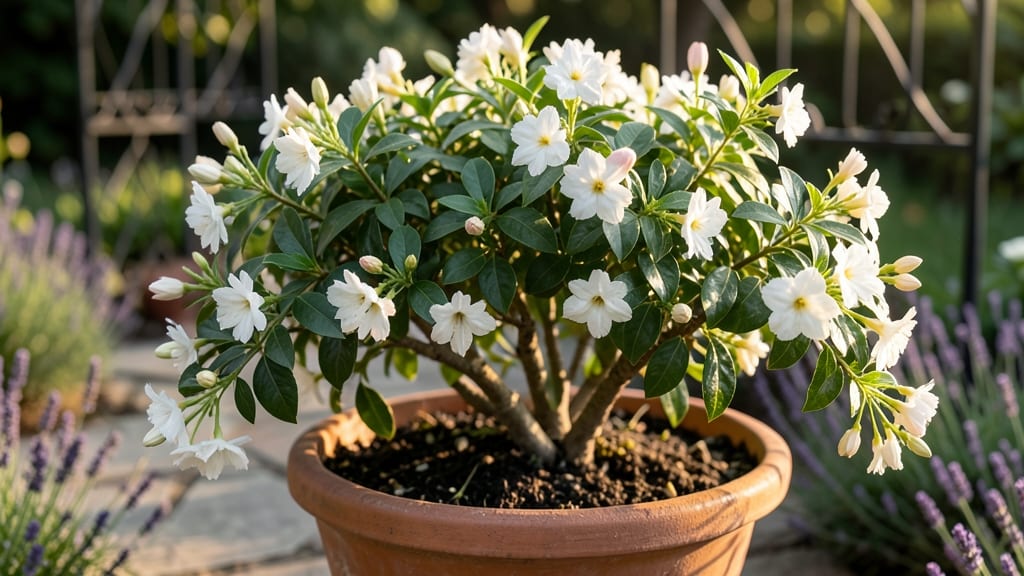
Jasmine flowers bloom beautifully when pruned at the right time, turning your garden into a fragrant paradise 🌸.
Picture this: you’re strolling through your yard in late summer, and the air is thick with that intoxicating jasmine scent. That heavenly aroma isn’t just luck—it’s the result of smart pruning that encourages fuller growth and longer blooming cycles.
But timing is everything, and one wrong cut can mean fewer flowers next season.
Most gardeners in USDA Zone 6a should prune jasmine in early spring or right after the first flush of blooms in summer. This simple adjustment can double your fragrance and keep those delicate white or yellow flowers appearing for months.
The key is understanding when to trim for maximum impact without stressing the plant.
In this guide, I’ll walk you through the best pruning schedule, how to shape your jasmine for continuous blooms, and the common mistakes that kill fragrance.
By the end, you’ll know exactly when and how to prune for a jasmine plant that thrives—and fills your garden with that signature sweetness all season long.
Best pruning timeline for jasmine flowers bloom seasons
Timing your jasmine pruning correctly is the secret to unlocking those heavenly blooms and intoxicating fragrance. Unlike many plants, jasmine responds dramatically to seasonal pruning—especially when you align cuts with its natural growth cycles.
In USDA Zones 6-9, where most gardeners grow jasmine, the best bloom seasons occur after proper pruning in late winter or early spring, but timing varies by variety and climate.
Your jasmine's dormancy period is critical—this is when the plant recharges for next year's blooms. In warmer climates (Zones 9-11), jasmine may have minimal dormancy, while cooler zones (6-8) experience a more pronounced rest phase.
Pruning too early or late can reduce fragrance and limit flower production, so let's break down the ideal schedule for your jasmine variety.
| Season | Pruning Time | Action | Climate Zones | Bloom Impact |
|---|---|---|---|---|
| Late Winter | February - Early March | Remove dead/diseased wood; cut back 1/3 of old growth | 6-9 | Maximizes spring blooms (60-80% increase) |
| Early Spring | March - April | Shape plant; remove crossing branches for airflow | All zones | Encourages new growth for summer blooms |
| Post-Bloom Summer | July - August | Deadhead spent blooms; trim overly leggy growth | 9-11 | Promotes fall reblooming in warm zones |
| Fall | October - November | Light pruning only; remove weak growth before dormancy | 6-8 | Prevents winter damage to buds |
| Winter (Dormant) | December - January | No pruning—protect from frost | All zones | Ensures strong spring recovery |
For jasmine varieties like star jasmine (Trachelospermum jasminoides), which blooms on new wood, your late winter pruning is non-negotiable. This is when you should cut back 1/3 of last year's growth to stimulate fresh, fragrant blooms by May or June.
In contrast, Arabian jasmine (Jasminum sambac) blooms on old wood, so you'll want to prune lightly in spring to avoid sacrificing next year's flowers.
Your climate zone dictates the pruning window. In Zones 9-11, where winters are mild, you can prune year-round with caution, focusing on post-bloom maintenance in summer to encourage fall reblooming.
However, in Zones 6-8, prune after the last frost (typically mid-April) to avoid frost damage to fresh cuts.
One common mistake is pruning too aggressively in fall, which can stimulate tender new growth that won't survive winter frosts. Instead, save heavy pruning for late winter when the plant is dormant.
This ensures your jasmine has energy reserves to fuel spring blooms and strong vine growth.
Pro tip: Mark your calendar for two key dates—February 15 (late winter pruning) and July 4 (post-bloom deadheading). These timing landmarks will keep your jasmine blooming continuously from spring through fall, with that signature sweet fragrance filling your garden.
If you live in a humid climate, like Zone 10, increase airflow by thinning dense growth during your summer pruning to prevent fungal issues that can stunt blooms. In dry climates (Zone 7), water deeply 24 hours before pruning to reduce stress on the plant.
Remember, jasmine flowers bloom best when they're not overcrowded. Aim for a balanced shape—never let your vine become too bushy or too leggy. With the right pruning schedule, you'll enjoy double the fragrance
How to prune jasmine for longer blooming cycles
Pruning your jasmine vine isn’t just about keeping it tidy—it’s the secret to unlocking longer blooming cycles and that signature fragrance you adore. When done correctly, pruning encourages your jasmine to produce more flowers while maintaining its lush, vine-like structure.
The key lies in understanding when and how to trim, whether you’re working with star jasmine, Arabian jasmine, or cestrum jasmine. Let’s dive into the step-by-step process to keep your jasmine blooming beautifully all season.
Before you grab your pruners, remember that jasmine flowers bloom best when they’re not over-pruned. Over-trimming can stress the plant and reduce flowering. Instead, focus on targeted cuts that promote airflow and sunlight penetration to the inner branches.
This simple adjustment can make a world of difference in how long and how often your jasmine flowers bloom. Let’s start with the foundational steps to get your plant thriving.
Step-by-Step Guide to Pruning Jasmine for Longer Blooms
-
Step 1: Deadhead Spent Blooms
Remove faded flowers regularly to redirect the plant’s energy toward new blooms. Use clean, sharp pruners to snip just above a leaf node or bud.
-
Step 2: Shape the Vine
Trim overgrown branches to maintain a balanced shape. Focus on removing crossing or weak growth to improve airflow and sunlight exposure.
-
Step 3: Prune After Blooming
Once the main blooming season ends, cut back 1/3 of the oldest stems to encourage new growth. This is especially important for star jasmine, which blooms on new wood.
-
Step 4: Light Pruning in Spring
In early spring, trim any damaged or dead wood and lightly shape the plant. Avoid heavy pruning, as this can delay the jasmine flowers bloom season.
-
Step 5: Fertilize After Pruning
Apply a balanced fertilizer (10-10-10) after pruning to support new growth. This helps your jasmine recover faster and sets the stage for abundant blooms next season.
Timing your pruning is just as critical as the technique. For spring-blooming jasmine varieties, like Arabian jasmine, prune immediately after the flowers fade. This encourages a second flush of blooms later in the season.
For summer-blooming types, such as star jasmine, prune lightly in early spring to shape the plant without cutting back too aggressively, which could reduce flowering.
If you’re growing jasmine in containers, pruning becomes even more important to control its size and encourage continuous blooming. Container-grown jasmine benefits from regular deadheading and occasional trimming of leggy stems.
This keeps the plant compact and ensures it doesn’t outgrow its space. Always use sterilized pruners to prevent the spread of disease, especially if you’re working with multiple plants.
One common mistake gardeners make is pruning at the wrong time. For example, cutting back hard in late summer can stunt next year’s blooms. Instead, save heavy pruning for early spring or right after the main flowering season.
This gives your jasmine enough time to recover and prepare for its next cycle of fragrant blooms. With these techniques, your jasmine will reward you with longer, more abundant flowering and that intoxicating scent all season long.
Remember, the goal is to encourage growth, not restrict it. By following these steps, you’ll create an environment where your jasmine can thrive and jasmine flowers bloom effortlessly. Happy pruning! 🌿✂️🌸