
Vegetables
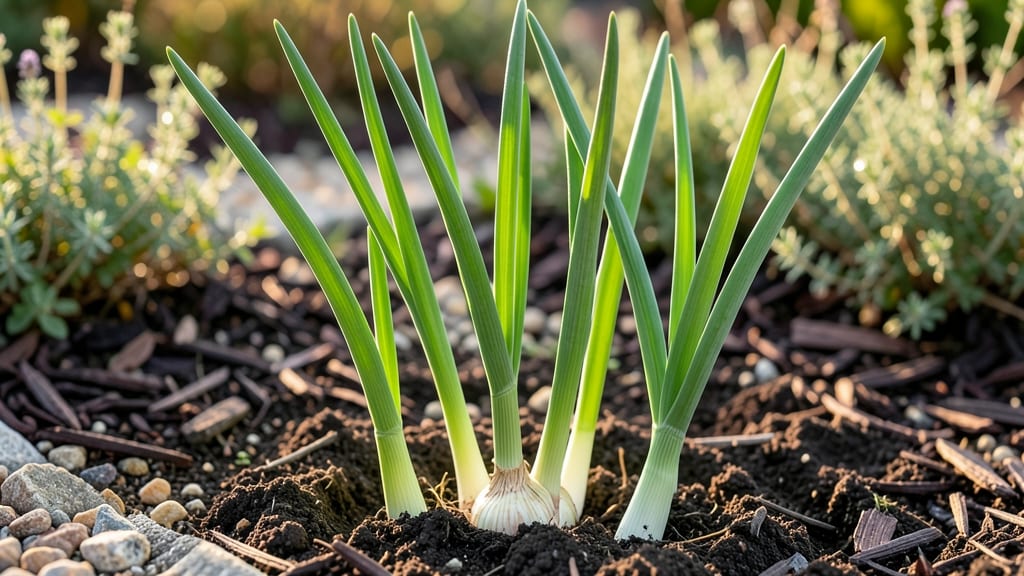
Growing large green onions from seed is the secret to fresh, thick stalks all season long. 🌱 I used to buy them weekly until I realized how easy they are to grow—now I harvest more than I need in just a few months.
The key is in the soil prep and spacing, which turns those skinny grocery-store stalks into garden giants.
Start with a sunny spot and loose, well-draining soil amended with compost. Plant seeds ½ inch deep, 2 inches apart, and keep them moist until germination. Once they reach 4-6 inches tall, thin to 4-6 inches apart for those signature thick stalks.
Green onions thrive in full sun but tolerate partial shade, making them perfect for containers or garden beds.
Water consistently to keep the soil evenly moist but not soggy—this prevents bolting and ensures steady growth. You’ll see the first harvest-ready stalks in about 60 days, but the real magic happens when you let a few mature fully.
Their flavor deepens, and the bulbs grow noticeably larger with each cut-and-come-again harvest.
Here’s the best part: they’ll regrow for months, and if you leave a few to overwinter, you might even get a second harvest next spring. The only real challenge is keeping them from bolting in hot weather—just provide afternoon shade or harvest them early.
Ready to grow your own thick, flavorful stalks?
📚 In This Guide
- What you need
- Instructions
- Tips and common mistakes
- Wrapping up and next steps
What you need
- ● Green onion seeds or starter bulbs: Choose Allium fistulosum (common green onion) or Allium cepa varieties for bold, thick stalks.
- ● Quantity: 10–20 seeds (or 5–10 starter bulbs) per planting area.
- ● Well-draining soil: Mix: 60% potting soil + 30% compost + 10% perlite/sand (for loose, fertile texture).
- ○ Optional: Add a slow-release fertilizer (5-10-5 ratio) for extra nutrients.
- ● Containers or garden bed: Containers: 6–12" deep pots (1–2 plants per pot).
- ● Garden bed: Full sun (6+ hours/day) or partial shade (4–6 hours).
- ● Watering can or hose with gentle spray nozzle.
- ○ Garden gloves (optional but recommended) 🧤—to protect hands from soil and sharp onion edges!
- ● Temperature: Ideal for planting: 40–85°F (4–29°C). Avoid frost if seedlings are young.
- ● Spacing: 2–4 inches apart (closer for bushier regrowth).
- ● pH Level: Aim for 6.0–7.0 (test soil kit helps!).
- ● Patience: Green onions grow fast—harvest in as little as 3–4 weeks!
Step-by-Step instructions for growing large green onions
Here's how to grow thick, flavorful green onions that keep producing all season with almost no effort.
🌱 Step 1: Choose and Prepare Your Planting Site
Green onions thrive in full sun to partial shade, so pick a spot that gets at least 4-6 hours of sunlight daily. I always check the soil first by squeezing a handful—it should crumble easily but not fall apart. If it's too dense, mix in 1-2 inches of compost to improve drainage and fertility.
Loosen the top 6 inches of soil with a garden fork to create a soft bed for roots. Green onions have shallow roots, so avoid digging too deep. Remove any weeds or rocks that might compete with your plants. The key here is loose, well-draining soil—they hate soggy feet.
🌱 Step 2: Plant Green Onion Sets or Seeds
For the easiest method, use green onion sets (small bulbs) instead of seeds. Space them 2-3 inches apart in rows that are 12 inches apart. Plant them ½ inch deep, with the pointed end facing up. If using seeds, sow them ¼ inch deep and thin seedlings to the same spacing once they're 2-3 inches tall.
Water gently right after planting to settle the soil around the roots. You'll know it's right when the soil looks slightly damp but not muddy. I like to use a watering can with a fine rose to avoid disturbing the soil surface. Keep the area consistently moist until you see first green shoots, which usually takes 7-14 days.
☀️ Step 3: Maintain Consistent Moisture and Light
Green onions need consistent moisture but hate sitting in water. Water them when the top inch of soil feels dry—this usually means every 2-3 days in warm weather, but less often in cooler months. I check by sticking my finger into the soil; if it's dry at that depth, it's time to water.
Keep them in full sun for the thickest stalks, but they'll tolerate partial shade if you're in a hot climate. If you notice the leaves turning yellow or the stalks getting thin, they're either getting too much sun or not enough water. A little shade cloth on hot afternoons can prevent scorching while still giving them plenty of light.
✂️ Step 4: Harvest Strategically for Perennial Growth
Here's the secret to large, continuous harvests: cut the green onions when they reach 8-12 inches tall, leaving the base 1-2 inches above the soil. Use clean scissors or a sharp knife to avoid damaging the plant. You'll see new growth sprout from the base within 1-2 weeks—this is how they keep producing all season.
Don't pull the whole plant unless you're done with it. The roots will regrow from the base, giving you multiple harvests. If you notice the stalks getting thin or the plant slowing down, it's time to fertilize lightly with a balanced organic fertilizer or compost tea. This gives them a little boost without overpowering the soil.
🌿 Step 5: Overwinter for Next Year's Harvest
Green onions are surprisingly cold-hardy and will survive winter in most climates. Once the ground freezes or temperatures drop below 20°F, cut back the foliage to 1 inch above the soil and cover the bed with 2-3 inches of mulch. This protects the roots from freezing and keeps them alive for next spring.
In the spring, remove the mulch and water lightly to encourage new growth. You'll often get an early harvest before the main growing season even starts. The key to perennial harvests is treating them like the tough, resilient plants they are—give them good soil, consistent water, and a little patience, and they'll keep giving you flavorful greens year after year.
Tips & tricks for growing large, perennial green onions
These simple tricks will help you grow thick, flavorful green onions that keep producing all season with minimal effort.
Soil Preparation Secret: The key to large green onions starts with soil prep in Step 1. I can't emphasize enough how important that 6-inch deep loosening is—it creates perfect root space for those thick stalks. If your soil is heavy clay, mix in an extra 1 inch of compost beyond the 1-2 inches mentioned. This prevents waterlogging and gives roots room to expand. Think of it like giving your plants a fluffy pillow to nest in.
Planting Precision: When planting those 2-3 inch apart sets in Step 2, don't just eyeball it—use a small ruler or measuring tape for the first few rows. The spacing makes all the difference for stalk thickness. And here's what nobody tells you: if you're using seeds, plant them ¼ inch deep but mark their location with toothpicks so you can thin properly later. Those 2-3 inch tall seedlings need space to grow into thick stalks.
Watering Wisdom: The top inch dry test in Step 3 is foolproof, but I've learned this the hard way: water in the morning. Evening watering can lead to fungal issues, especially in humid climates. And when those first green shoots appear, switch to a watering can with a gentle shower rose—it mimics natural rain and prevents disturbing the delicate roots. You'll notice the difference in plant vigor within days.
Harvest Hack: For truly massive green onions, harvest when they hit 10-12 inches instead of the 8-12 inch range. The extra growth means thicker stalks, but you'll need to be more precise with your 1-2 inch base cut. Use a sharp knife at a slight angle—this prevents tearing and gives you cleaner cuts. And here's my pro move: harvest every other plant in alternating rows. This keeps production steady while giving each plant room to recover.
Pro Tips for Large Green Onions
- These simple tricks will help you grow thick, flavorful green onions that keep producing all season with minimal effort.
- Soil Preparation Secret: The key to large green onions starts with soil prep in Step 1. I can't emphasize enough how ...
- Planting Precision: When planting those 2-3 inch apart sets in Step 2, don't just eyeball it—use a small ruler or mea...
Frequently asked questions
How long does it take for green onions to reach large harvest size?
With proper care, green onions typically reach large, mature sizes (6–12 inches tall) in 6–8 weeks from planting. If grown as perennials (in mild climates), they’ll regrow year after year, producing bigger bulbs and greens with each harvest. Patience pays off—especially if you’re aiming for those thick, robust stalks!
Can I grow green onions indoors without sunlight?
Yes! Green onions thrive indoors with bright artificial light (like LED grow bulbs) for 12–14 hours daily. Place them near a sunny window if possible, but supplement with grow lights to prevent leggy, weak stems. A south-facing window works best, but no sunlight at all? No problem—just keep those lights close!
What’s the best way to harvest large green onions without killing the plant?
For perennial harvests, snip the outer greens just above the soil line, leaving the bulb intact. Avoid pulling the whole plant—this ensures regrowth! If you need the bulb, harvest when it’s 1–2 inches thick, but leave a 1-inch stub to encourage new shoots. Pro tip: Harvest in the morning for the freshest flavor!
Will green onions survive a light frost?
Green onions are cold-hardy and can tolerate light frosts (down to 20°F) without issues. In fact, a light freeze can sweeten their flavor! However, heavy frost or snow may damage leaves. If winters are harsh, grow them in containers and move indoors or mulch heavily to protect the bulbs.
What can I do if my green onions bolt (shoot flowers) too early?
Bolting usually happens due to heat stress, overmaturity, or long daylight. To prevent it:
Bonus: Flowering green onions are still edible (just milder in flavor)!
Wrapping up and next steps
Growing large, lush green onions is simpler—and more rewarding—than you might think! With just a sunny spot, well-draining soil, and minimal effort, you can enjoy a perennial harvest year after year. Whether you’re a beginner or a seasoned gardener, these hardy greens prove that low-maintenance doesn’t mean low-reward.
Ready to dive in? Start small—plant a few bulbs this season and watch your kitchen garden transform! For even bigger harvests, consider expanding your patch or sharing tips with fellow green thumbs. Happy growing! 🌱✨