
Vegetables
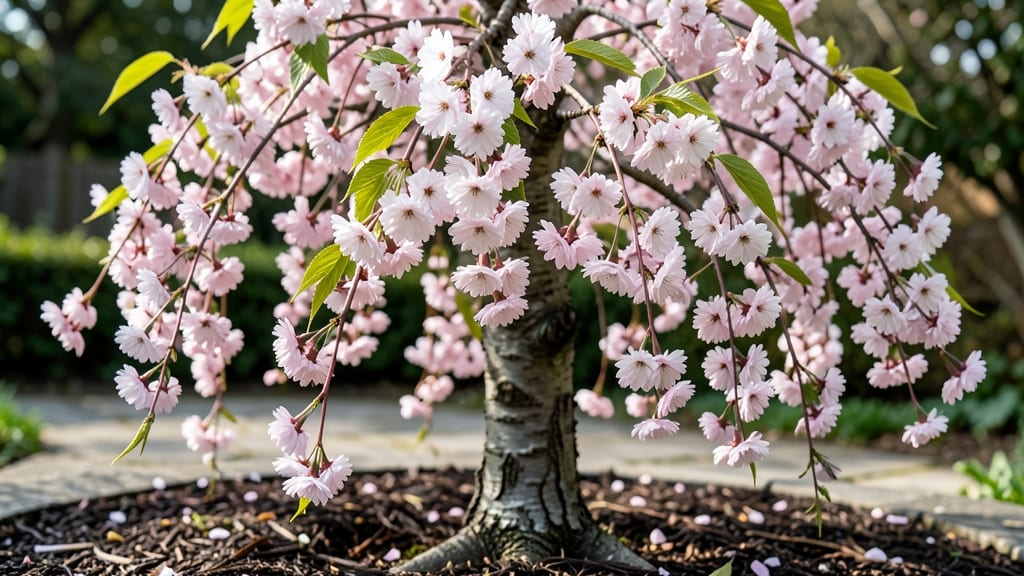
A large weeping cherry transforms any yard into a living masterpiece with its cascading branches and delicate blossoms. 🌸 I planted mine near the patio last spring, and now it’s the centerpiece that makes neighbors stop and stare—especially when the pink flowers burst open in April.
This tree isn’t just pretty; it’s low-maintenance once established. The key is spacing it right—15-20 feet from structures—and pruning lightly in late winter to encourage that signature weeping shape.
Pair it with dwarf conifers or hostas for contrast, and you’ll have a year-round show: spring blooms, summer shade, and fiery fall foliage. The real magic happens when you plant it where people will see it daily—near a walkway, under a deck, or as a standalone specimen.
It thrives in full sun but tolerates partial shade, making it adaptable to different yards. Just avoid wet soil, and you’re golden. For extra drama, add Japanese maples or ornamental grasses at its base.
The combination creates layers of texture and movement that feel like a high-end garden design—without the high-end price tag.
📚 In This Guide
- What you need
- Instructions
- Tips and common mistakes
- Wrapping up and next steps
What you need
- ● Large weeping cherry tree (choose a mature Prunus serrulata variety, like 'Kanzan' or 'Shirotae,' from a nursery or online retailer).
- ● Planting hole: 2–3 times wider and as deep as the root ball.
- ● High-quality planting soil (or a mix of native soil + compost for drainage).
- ● Organic mulch (3–4 inches of shredded bark or wood chips).
- ● Watering can or hose (with a gentle spray nozzle).
- ● Garden gloves (to protect your hands from thorns and soil).
- ● Pruning shears (sterilized, for shaping and removing dead branches).
- ● Fertilizer (balanced 10-10-10 or slow-release organic fertilizer).
- ● Tree stake or support (if planting in windy areas).
- ● Tree guard or wire cage (to protect from pests like deer or rabbits).
- ● Slow-release watering system (drip irrigation for consistent moisture).
- ● Seasonal pruning oil (to prevent fungal diseases in humid climates).
- ● Decorative rocks or edging (to enhance the tree’s aesthetic appeal).
Instructions for planting and caring for a large weeping cherry tree
Here's how I've successfully established these stunning trees with minimal fuss—just follow these key steps.
🪴 Step 1: Select and Prepare the Planting Site
Choose a location with full sun exposure (6-8 hours daily) and well-draining soil. Weeping cherries thrive in slightly acidic to neutral soil (pH 6.0-7.0). If your soil is heavy clay, amend it with 2-3 inches of compost mixed into the top 12 inches of soil.
Dig a hole twice as wide as the tree's root ball but no deeper. This prevents root suffocation and encourages outward root growth. Gently loosen the roots if they're circling tightly in the container—this helps them establish faster. Place the tree so the top of the root ball sits 1-2 inches above ground level.
🌱 Step 2: Plant and Stake for Stability
Position the tree in the hole and backfill with the native soil, tamping lightly every 4-6 inches to remove air pockets. Water deeply to settle the soil around the roots. I always add a 3-inch layer of mulch (wood chips or bark) over the root zone, keeping it 6 inches away from the trunk to prevent rot.
Stake the tree only if needed—weeping cherries have a wide canopy that can catch wind. If staking, use two sturdy stakes placed diagonally and tie the trunk loosely with soft fabric strips. Avoid tight ties that can girdle the trunk as it grows. Water thoroughly after planting to help the soil settle.
☀️ Step 3: Water and Fertilize for Establishment
Water deeply twice weekly for the first month, then taper to once weekly once new growth appears. Weeping cherries are drought-tolerant once established, but young trees need consistent moisture. You'll know it's getting enough water when the top 6 inches of soil feel slightly damp.
Apply a balanced fertilizer (10-10-10) at planting time, then again in early spring. Avoid high-nitrogen fertilizers—they encourage leafy growth at the expense of flower buds. I also recommend a slow-release granular fertilizer in late summer to support root development before winter.
✂️ Step 4: Prune for Shape and Health
Prune in late winter or early spring before buds swell. Remove any dead, diseased, or crossing branches first. Weeping cherries benefit from selective pruning to maintain their graceful shape—focus on thinning out crowded branches to improve airflow. Never remove more than 25% of the canopy in one season.
Watch for suckers (shoots growing from the base) and remove them promptly. These divert energy from the main tree. I also lightly prune the tips of new growth to encourage bushier branching. Avoid heavy pruning in fall—it stimulates new growth that won't harden off before winter.
⏰ Step 5: Winter Care for Long-Term Health
Mulch heavily (4-6 inches) around the base in late fall to insulate roots from temperature swings. Water trees in late fall if the ground isn't frozen—this prevents winter desiccation. Weeping cherries are generally cold-hardy, but young trees may need winter wrap on trunks in extremely cold climates.
Monitor for signs of stress like leaf scorch or dieback in early spring. If you see wilting or yellowing, adjust watering immediately. These trees are low-maintenance once established, but a little attention in their first few years ensures decades of stunning blooms and graceful form.
Tips & tricks for perfect large weeping cherry planting and care
These practical insights will help you avoid common pitfalls and maximize your weeping cherry's stunning potential with minimal effort.
Site Selection Strategy: The 6-8 hours of daily sunlight requirement is non-negotiable for optimal flowering and fruit production. I've found that southern exposures with afternoon shade work beautifully in hotter climates—this prevents leaf scorch while maintaining full sun exposure. If your yard has limited sun, consider a western exposure which provides intense morning light that weeping cherries actually prefer.
Root Ball Preparation: When loosening circling roots in Step 1, be gentle but thorough—these roots can become so tightly bound they strangle themselves. I use my fingers to carefully separate them along their natural growth lines. This step is especially critical for container-grown trees where roots often grow in tight circles. The 1-2 inch elevation above ground level is crucial—it prevents water pooling around the trunk which leads to rot.
Watering Wisdom: The twice-weekly watering schedule in the first month is ideal, but timing matters just as much as frequency. Water deeply in the morning so the soil has all day to absorb moisture before evening. I've seen many gardeners overwater in the evening, leading to fungal issues. For the weekly watering once established, check soil moisture by pushing your finger 2-3 inches into the soil—if it feels dry, it's time to water.
Fertilizer Timing: The balanced 10-10-10 fertilizer application at planting and in early spring creates a strong foundation, but the late summer slow-release application is often overlooked. This timing allows the tree to develop robust roots before winter dormancy. I've noticed trees that skip this step often show weaker growth the following spring. Use a spreader for even distribution, keeping fertilizer 6 inches away from the trunk to avoid burn.
Pro Tips for Large Weeping Cherry
- These practical insights will help you avoid common pitfalls and maximize your weeping cherry's stunning potential with minimal effort.
- Site Selection Strategy: The 6-8 hours of daily sunlight requirement is non-negotiable for optimal flowering and fruit production.
- Root Ball Preparation: When loosening circling roots in Step 1, be gentle but thorough—these roots can become so tightly bound they strangle themselves.
Frequently asked questions
Got questions about keeping your large weeping cherry tree thriving? You’re not alone! Here are answers to the most common queries—whether you’re a first-time grower or just looking to refine your care routine.
How fast does a weeping cherry tree grow, and how big will it get?
A mature large weeping cherry typically reaches 15–25 feet tall with a spread of 10–15 feet, though some varieties stay smaller. Growth is moderate: expect 12–24 inches per year in ideal conditions. Dwarf cultivars (like ‘Kanzan’ or ‘Stella Pink’) grow slower, making them perfect for smaller yards.
When is the best time to plant a weeping cherry tree?
The ideal planting window is early spring or fall (3–4 weeks before the first frost). This gives roots time to establish before extreme heat or cold. Avoid planting in summer’s scorching heat—young trees struggle with transplant shock. If you must plant in summer, water deeply daily for the first 2 weeks.
Do weeping cherry trees produce edible fruit?
Most ornamental weeping cherries (like Prunus subhirtella) grow showy but inedible flowers or tiny, tart fruit. If you want edible cherries, opt for varieties like ‘Stella’ or ‘Black Tartarian’, though they won’t have the classic weeping habit. For fruit + beauty, consider a columnar cherry instead!
Why are the leaves on my weeping cherry tree curling or dropping?
Curling or dropping leaves usually signal pests, disease, or stress. Check for:
- Spider mites (tiny webs on undersides) or scale insects (brown bumps). Treat with neem oil or insecticidal soap.
- Bacterial canker (oozing cankers) or powdery mildew (white dust). Prune infected branches and improve airflow.
- Overwatering (yellowing leaves) or drought stress (brown edges). Adjust watering to 1–1.5 inches per week.
Can I grow a weeping cherry tree in a pot? If so, what size container do I need?
Yes! Dwarf varieties thrive in large containers (20–25 gallons) with drainage holes. Use a well-draining potting mix (add perlite or sand) and repot every 2–3 years. Place in full sun and water when the top 2 inches of soil dry out. Just remember: potted trees need winter protection (move indoors or wrap the pot in burlap).
Wrapping up and next steps
The large weeping cherry tree is a stunning, low-maintenance addition to any garden, offering year-round beauty with its delicate blossoms, lush foliage, and graceful branches.
Whether you’re drawn to its ornamental charm or its ease of care, this tree proves that nature’s elegance doesn’t require constant effort—just a little love and space to thrive. 🌸
Ready to transform your outdoor space? Start by selecting the perfect spot, gathering your tools, and planting with confidence. Your dream tree is just a few steps away! 🌱