
Vegetables
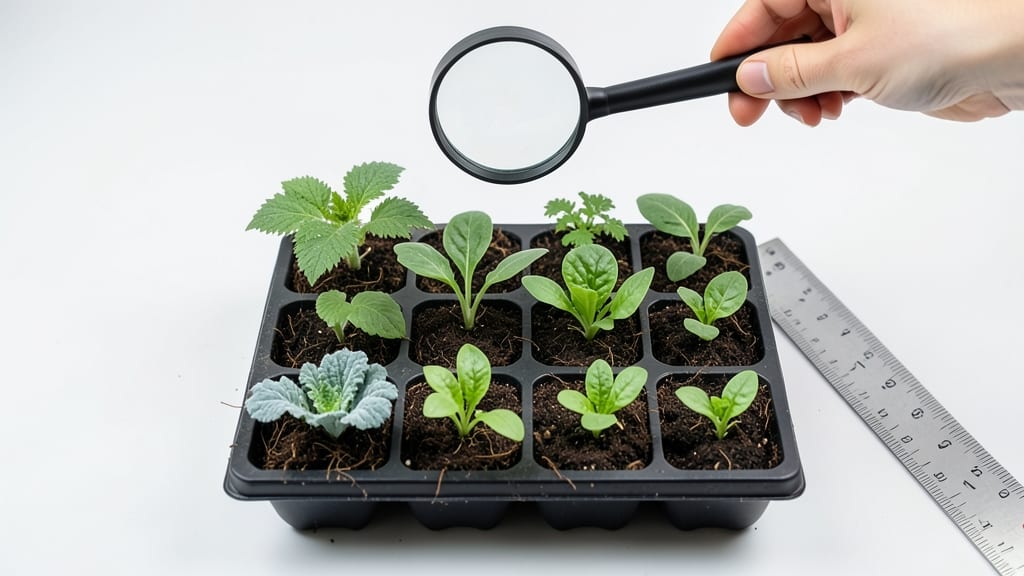
Mastering leaf shape vegetable seedling identification saves you from pulling up the wrong plants—and the heartbreak of wasted space. 🌱 I’ve spent years watching tiny sprouts transform into full-grown crops, and the first clue is always in those delicate first leaves.
A single misstep here can mean swapping your heirloom tomatoes for weeds (yes, I’ve been there). The secret lies in those first true leaves—the ones after the initial cotyledons. A tomato’s leaves are jagged-edged and deeply lobed, while peppers have smooth, oval leaves that look almost waxy.
Lettuce seedlings, on the other hand, are tiny and round, almost like a miniature version of the mature plant. These early signs tell you everything you need to know before roots even take hold. By mastering this skill, you’ll transplant with confidence, knowing exactly what’s going where.
No more guessing games or accidental culling of your future harvest. The payoff? A garden that thrives from day one, with every plant in its perfect spot. This works for any vegetable, from beans to brassicas, and even helps with tricky lookalikes like basil vs. dill.
Let’s get those seedlings identified right!
📚 In This Guide
- What you need
- Instructions
- Tips and common mistakes
- Wrapping up and next steps
What you need
- ● Healthy vegetable seedlings (20+ common varieties, e.g., basil, kale, tomato, pepper, lettuce, spinach, carrot, broccoli, cabbage, and zucchini). Tip: Start with seedlings at the 2-4 leaf stage for best results!
- ● Magnifying glass (3x-5x magnification) – for close-up inspection of leaf details.
- ● Ruler or measuring tape (metric or imperial, with 1mm/0.04" precision).
- ● Notebook or digital device (for sketching or photographing leaf shapes).
- ● Permanent markers (black and colored, e.g., fine-tip Sharpies or Copics).
- ● Printed reference guide (laminated or in a binder) of the 20 leaf shapes you’re studying.
- ● Small scissors or pruning shears (for carefully trimming leaves if needed).
- ● Clear tape or adhesive labels (to mark seedlings for tracking).
- ● Leaf identification app (e.g., PlantNet or iNaturalist) for cross-referencing.
- ● Digital camera with macro mode (for high-res photos of leaf textures).
- ● Colored pencils or watercolors for artistic leaf sketches.
- ● Garden gloves (to protect hands while handling seedlings).
- ● Grow lights or sunny windowsill (if seedlings need extra light for healthy growth).
- ● Field guide book (e.g., Vegetable Gardener’s Bible for extra reference).
How to identify vegetable seedlings by leaf shape
No more guessing which sprout is which—learn these key leaf patterns for confident seedling ID.
🌱 Step 1: Compare Cotyledons First (The First Leaves)
The very first leaves—called cotyledons—give your first clue. Most vegetables have either round or lobed cotyledons. Round cotyledons are common in the nightshade family (tomatoes, peppers, eggplants) while lobed cotyledons often signal brassicas (cabbage, broccoli, kale). I always check these before looking at true leaves because they appear first and are less affected by light conditions.
Here's the thing—some seedlings like beans and peas have cotyledons that look like miniature versions of their mature leaves. If you see two rounded leaves with a smooth edge, you're likely looking at a tomato or pepper seedling. But if those first leaves already have serrated edges or look like tiny cabbage leaves, you've got a brassica on your hands.
🌿 Step 2: Examine True Leaves (The Second Set)
True leaves appear after the cotyledons and are the real giveaway. Look for these patterns: smooth-edged leaves often belong to nightshades (tomatoes, peppers), while serrated or jagged edges frequently indicate brassicas (kale, collards, cabbage). Carrot and parsley seedlings have finely divided, fern-like leaves that look nothing like their mature plants.
I keep a small notebook by my seed trays to sketch leaf shapes when I'm unsure. For example, basil seedlings have broad, slightly wrinkled leaves with visible veins, while dill seedlings have finely dissected leaves that look almost like lace. This visual comparison builds muscle memory—after identifying 20 different seedlings, you'll recognize patterns instantly.
☀️ Step 3: Check Leaf Arrangement and Stem Patterns
Pay attention to how leaves attach to the stem. Alternate leaf patterns (one leaf per node) often indicate tomatoes, peppers, or beans, while opposite leaf patterns (two leaves per node) frequently appear in basil or mint seedlings. The spacing between leaves also matters—close spacing suggests a compact grower like lettuce, while widely spaced leaves often signal vining plants like cucumbers or squash.
Don't overlook stem characteristics either. Hairy stems often belong to members of the nightshade family, while smooth stems are common in brassicas. I once mistook hairy basil seedlings for tomato seedlings because of their similar leaf shape—only the stem texture gave them away. This is why I always examine the whole plant, not just the leaves.
⏰ Step 4: Use Growth Rate as a Final Checkpoint
Some seedlings grow faster than others, which can help narrow it down. Fast-growing seedlings like radishes or beans will have multiple true leaves within 10-14 days, while slower growers like tomatoes or peppers may take 3-4 weeks to develop their third set of true leaves. I time my seed starting schedule so that these growth differences become a helpful identification tool.
If you're still unsure, count the leaflets. Compound leaves (multiple leaflets on one stem) are common in peas, beans, and carrots. Simple leaves (one undivided leaf per stem) appear in tomatoes, peppers, and lettuce. This final check often resolves any remaining confusion between similar-looking seedlings.
Tips & tricks for mastering vegetable seedling identification
These simple tricks will help you become a seedling identification pro in no time—no more second-guessing your garden babies.
Lighting Matters: Always examine seedlings in natural daylight or under a bright lamp. Artificial light can distort colors and make leaf patterns harder to distinguish. I keep a small magnifying glass by my seed trays—it reveals details you'd miss with the naked eye, like fine serrations or hair-like stem textures. This is especially helpful when distinguishing between similar-looking seedlings like basil and dill.
Growth Stage Awareness: Remember that cotyledons (first leaves) and true leaves (second set) look completely different. Don't confuse the two! Cotyledons are your first clue, but true leaves are where the real identification happens. I've caught myself making mistakes when I skipped Step 1 and jumped straight to true leaves—always start with the cotyledons to narrow down the family first.
Visual Comparison Tool: Create a simple reference chart with photos or sketches of common seedlings. Include both cotyledons and true leaves for each type. I keep mine pinned to my seed-starting corkboard with examples of nightshades, brassicas, and legumes. When in doubt, compare your seedlings directly to this chart—it's like having a botanist in your pocket.
Handle with Care: Avoid touching seedlings too much as you examine them—delicate stems can break, and damp fingers can spread disease. Use a soft paintbrush or tweezers to gently separate seedlings if needed. I've ruined more than a few trays by being too rough, so always work gently but thoroughly when identifying.
Pro Tips for Leaf Shape Vegetable Seedling Identification
- These simple tricks will help you become a seedling identification pro in no time—no more second-guessing your garden...
- Lighting Matters: Always examine seedlings in natural daylight or under a bright lamp. Artificial light can distort c...
- Growth Stage Awareness: Remember that cotyledons (first leaves) and true leaves (second set) look completely differen...
Frequently asked questions
Got questions about identifying vegetable seedlings by leaf shape? You’re not alone! Here are some of the most common queries—plus quick, actionable answers to keep your garden thriving.
How early can I identify vegetable seedlings by leaf shape?
You can start identifying seedlings as soon as they develop their first true leaves (not the tiny seed leaves). Most vegetable seedlings show distinct leaf patterns within 1–2 weeks after sprouting. Compare them to a visual guide or reference chart for accuracy.
What if my seedling’s leaves look unusual or deformed?
Deformed leaves can signal pests (like aphids), disease (e.g., damping off), or environmental stress (over/underwatering, poor light). Check the soil moisture, inspect leaves for holes or spots, and move seedlings to a sunnier spot if needed. If the issue persists, consider replanting.
Can I use leaf shape alone to identify seedlings, or do I need other clues?
Leaf shape is a great starting point, but pair it with other traits like stem color, plant height, and growth habit for accuracy. For example, basil and mint both have serrated leaves, but basil grows bushier while mint spreads horizontally. A reference chart helps!
How long does it take for seedlings to develop recognizable leaf shapes?
Most seedlings show their signature leaf shapes within 2–4 weeks after germination. Fast growers like radishes or lettuce may reveal traits sooner, while slower ones (e.g., tomatoes) take longer. Patience pays off—don’t pull seedlings too early!
Are there any leaf shapes that look identical across different vegetables?
Yes! Some vegetables share similar leaf shapes, like carrots and parsnips (both have finely divided, fern-like leaves) or cabbage and kale (lobed, ruffled edges). In these cases, check leaf arrangement (alternate vs. basal) or wait for secondary leaves to emerge for clarity.
Pro Tip:
Keep a seedling journal with photos of each stage—it’ll save you time (and heartache) next planting season! Snap pics of your seedlings’ first true leaves and compare them to your guide later.
Wrapping up and next steps
Mastering leaf shape vegetable seedling identification is your first step toward a thriving garden! 🌱 By recognizing key traits like leaf edges, veins, and arrangement, you’ll confidently distinguish seedlings and give them the care they need. Start small—practice with just a few plants, then expand your expertise as you grow.
Ready to take the next step? Grab a notebook and sketch your seedlings’ leaves, or snap photos for future reference. The more you observe, the easier it gets—happy gardening! 🌿