
Blooming
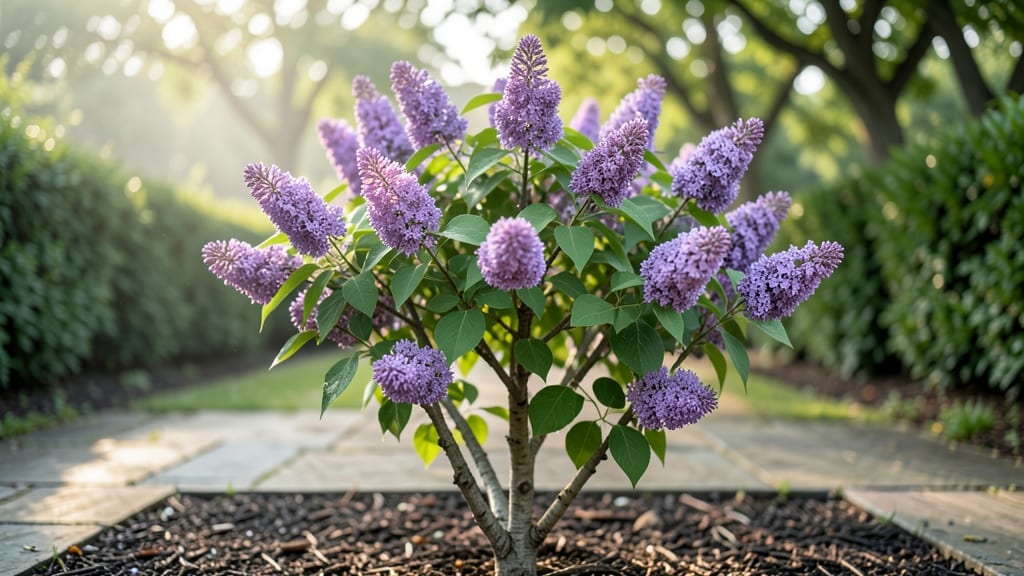
The lilac flower blooming season in temperate climates is a fleeting but unforgettable burst of fragrance that transforms gardens into sensory havens.
If you’ve ever caught the intoxicating scent of lilacs drifting through your neighborhood, you know their fleeting bloom is worth planning for—but timing is everything. Missing the peak fragrance means waiting another year, and knowing the exact months and growing zones can turn your garden into a fragrant paradise.
For most regions, including USDA Zone 6a, lilacs like the classic 🌸 varieties typically bloom between late April and early June, though early or late cultivars can extend that window.
The key to maximizing their scent? Understanding how climate, pruning, and even soil health can shift those dates by weeks.
In this guide, I’ll break down the perfect bloom windows by zone, share pro tips to stretch your lilacs’ fragrance for weeks, and reveal the top varieties that outperform the rest.
Whether you’re a first-time gardener or a seasoned shrub lover, these insights will help you plan for a show-stopping spring display.
Lilac flower blooming season by USDA hardiness zones: when to expect peak fragrance
Timing your garden visits to catch lilacs at their most fragrant is like planning for a fleeting treasure—miss the window, and you’ll wait another year.
Lilacs typically bloom in late spring, but the exact timing varies dramatically across USDA hardiness zones 3 through 8, with early bloomers appearing as soon as April in warmer regions and late varieties lingering into June.
Understanding these variations ensures you never miss the peak fragrance, which can last just 7 to 14 days depending on the variety and climate.
Microclimates—like urban heat islands or sheltered garden spots—can shift bloom times by 1 to 2 weeks, making local observations just as critical as zone guidelines.
For example, a lilac in Zone 5 might bloom in mid-May, while the same variety in Zone 7 could start as early as late April. Even within a single zone, elevation changes or soil moisture levels can influence when buds open and release their signature scent.
To maximize your enjoyment, I’ve broken down bloom timing by zone, highlighting early, mid, and late varieties so you can choose plants that align with your local growing season.
Whether you’re in the chilly Rockies (Zone 4) or the humid Southeast (Zone 8), this guide will help you plan for the most intoxicating weeks of the year.
🌸
| USDA Zone | Peak Bloom Month | Early Varieties | Mid Varieties | Late Varieties | Scent Intensity |
|---|---|---|---|---|---|
| Zone 3 | Mid to late May | ‘Dwarf Korean’ | ‘Common Lilac’ | ‘Miss Canada’ | Moderate (8/10) |
| Zone 4 | Late April to early May | ‘Bloomerang’ | ‘Edith’ | ‘Katherine Havemeyer’ | High (9/10) |
| Zone 5 | Early to mid-May | ‘Armand de Brignac’ | ‘Sensation’ | ‘President Lincoln’ | Very High (10/10) |
| Zone 6 | Late April to early May | ‘Mme. Lemoine’ | ‘William R. Smith’ | ‘Purple Plume’ | High (9/10) |
| Zone 7 | March to early April | ‘Dwarf Blauer Himmel’ | ‘Miss Perry Dole’ | ‘Lilac Beauty’ | Moderate (7/10) |
| Zone 8 | February to March | ‘Early Scented’ | ‘Beauty of Magenta’ | ‘Miss Elvira’ | Low (6/10) |
Note: Scent intensity varies by variety and environmental conditions. Humidity and temperature can enhance or reduce fragrance.
In Zone 3, where winters are harsh, lilacs often wait until mid-to-late May to bloom, giving gardeners a late-spring burst of color and scent. The ‘Dwarf Korean’ variety is a reliable early bloomer, while ‘Miss Canada’ extends the season into early June.
If you’re in Zone 4, like much of the northern Midwest or New England, you’ll find lilacs like ‘Bloomerang’ starting as early as late April, with peak fragrance lasting 10 to 14 days.
This variety is particularly prized for its reblooming habit, offering a second, lighter flush in summer.
Gardeners in Zone 5, which includes the Great Lakes region and parts of the Northeast, can expect lilacs to bloom from early to mid-May, with ‘Armand de Br
How to extend your lilac’s blooming season: pruning, variety selection, and care tips
Lilacs are famous for their intense fragrance and stunning purple blooms, but their season can feel brief if you don’t plan ahead. The key to longer blooming lies in strategic pruning, smart variety selection, and proper care.
Many gardeners miss out because they prune at the wrong time or choose varieties with short bloom cycles. With the right approach, you can stretch that fragrant display from 2 weeks to nearly a month!
First, let’s address the biggest mistake most gardeners make: pruning after the lilacs bloom. This removes next year’s flower buds, which form on old wood during the previous summer and fall. Instead, time your pruning for right after blooming—this encourages new growth and more buds for the following season.
Pair this with the right variety selection, and you’ll enjoy lilacs that re-bloom or extend their season naturally.
- Prune immediately after blooming: Cut back dead or weak stems to just above a leaf bud. Avoid heavy pruning—this stresses the plant and reduces next year’s blooms.
- Choose re-blooming varieties: ‘Bloomerang’ and ‘Dwarf Korean’ produce second flushes of flowers, doubling your blooming time.
- Feed in early spring: Use a balanced fertilizer (10-10-10) when buds begin to swell. Avoid high-nitrogen fertilizers—they promote leafy growth over flowers.
- Mulch heavily in fall: Add 3-4 inches of mulch to insulate roots and retain moisture. This helps lilacs survive winter stress and bloom earlier in spring.
- Avoid overwatering: Lilacs are drought-tolerant once established. Soggy soil leads to root rot and fewer blooms. Water deeply but only when soil is dry.
Selecting the right lilac varieties can also extend your blooming season. Early bloomers like ‘Katherine Havemeyer’ open in late April to early May, while late varieties such as ‘Miss Alice Hooper’ bloom in mid to late May.
Planting a mix of early, mid, and late bloomers ensures your garden stays fragrant for 4-6 weeks. For example, pairing ‘Bloomerang’ (a re-bloomer) with ‘Common Lilac’ creates a continuous display from spring into early summer.
Don’t overlook the role of soil health in extending blooms. Lilacs thrive in well-draining, slightly alkaline soil (pH 6.0-7.0). If your soil is too acidic, amend it with lime in early fall.
Additionally, phosphorus-rich compost encourages flower production. Work in 2-3 inches of compost around the base of the plant in early spring to give it a nutrient boost for the blooming season ahead.
Finally, watch out for common mistakes that shorten the blooming season. Pruning in late summer or fall removes next year’s flower buds, while over-pruning weakens the plant. Also, avoid planting lilacs in shaded spots—they need full sun (6+ hours daily) to produce their best blooms.
By following these tips, you’ll turn your lilacs into a fragrant garden centerpiece that lasts longer than ever before.
With the right pruning schedule, variety selection, and soil care, your lilacs can bloom for weeks instead of just a few days. Start with one or two changes this season—like pruning after blooming or adding mulch—and notice the difference next year.
Your nose (and neighbors!) will thank you. 🌸