
Vegetables
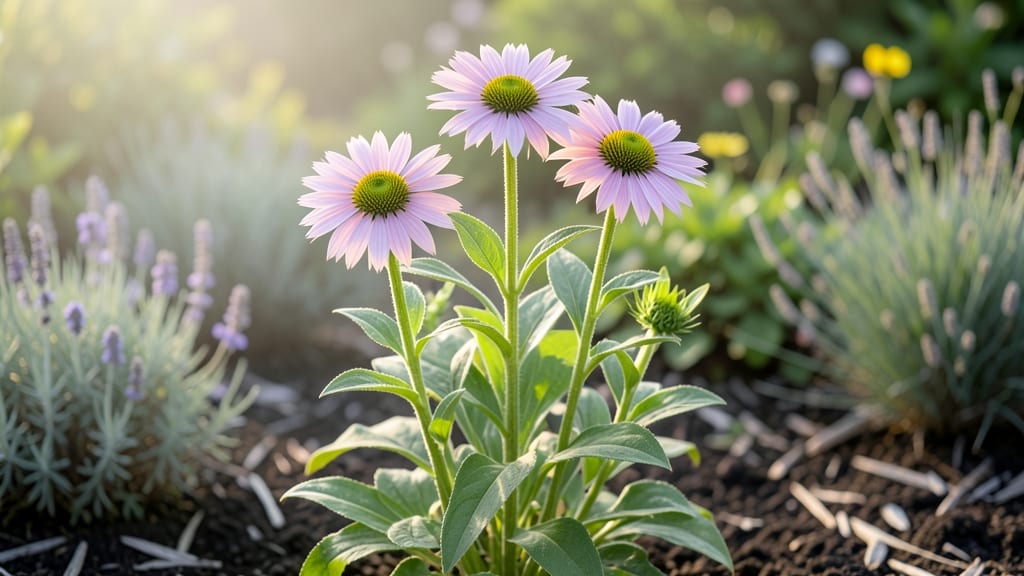
Lime green echinacea might just be the most eye-catching plant in your garden beds. 🌿 This isn’t your grandmother’s purple coneflower—it’s a zesty, neon-green stunner that turns heads and attracts pollinators like crazy, all while demanding almost no effort from you.
The color alone makes it a showstopper, but it’s the contrast that really sells it. Pair it with deep purple salvias, dusty blue lavender, or even bold red daylilies, and you’ll get a color palette that pops like a summer sunset.
It thrives in full sun and well-drained soil, so it’s perfect for borders, containers, or mixed flower beds where you want drama without fuss.
What you’ll love most is how it keeps giving: the lime-green blooms last from midsummer through fall, and the seed heads add winter interest. Hummingbirds, bees, and butterflies can’t resist it, making your garden a buzzing, fluttering paradise with minimal work.
Just plant it, water occasionally, and watch the magic happen.
For maximum impact, try grouping three or five plants together—their bright hue will dominate any space. Add some ornamental grasses or silver foliage plants nearby to make the green stand out even more.
It’s the kind of plant that makes your garden feel like a vibrant, lively party all season long.
📚 In This Guide
- What you need
- Instructions
- Tips and common mistakes
- Wrapping up and next steps
What you need
- ● Echinacea seeds (specifically Echinacea purpurea or Echinacea pallida varieties with lime-green foliage—check seed packets for color descriptions): Quantity: 10-20 seeds (or 1-2 seed packets)
- ● Tip: Opt for organic, non-GMO seeds for the best results!
- ● Well-draining potting mix (for seedlings): Quantity: 1 small bag (1-2 cubic feet)
- ● Specification: Lightweight, peat-based or coco coir blend (avoid heavy clay soil).
- ● Garden soil (for transplanting): Quantity: Enough to amend a 12-18" deep planting area (1-2 cubic yards for in-ground planting).
- ● Specification: Loamy, slightly acidic (pH 6.0-7.0). Mix in 2-3 inches of compost for nutrients.
- ● Containers or seed trays (for starting indoors): Quantity: 2-4 small pots (3-4" diameter) or 1 seed tray with cells.
- ● Specification: Drainage holes required!
- ● Watering can or spray bottle (for gentle hydration).
- ● Garden gloves (to protect your hands while handling soil).
- ● Plant labels (to track varieties and planting dates).
- ● Hand trowel (for transplanting seedlings).
- ● Pruning shears (for shaping mature plants or deadheading).
- ● Mulch (2-3 inches of straw or shredded leaves to retain moisture).
- ● Fertilizer (balanced 10-10-10 or organic compost tea for a mid-season boost).
- ● Sun hat or umbrella (for shade if your climate is scorching!).
- ● A sunny spot! 6+ hours of direct sunlight daily (partial shade in hot climates).
- ● Patience—echinacea seeds can take 10-14 days to germinate!
- ● Access to water (a consistent supply for the first 2-3 weeks is critical).
- ● Knowledge of your last frost date (seedlings need to be hardened off before transplanting outdoors).
Step-by-step guide to growing lime green echinacea
Here's how to grow this vibrant pollinator favorite with minimal effort.
🌱 Step 1: Choose the Perfect Planting Spot
Lime green echinacea thrives in full sun—at least 6 hours daily. I look for locations with morning sun and afternoon shade if temperatures exceed 90°F, as the foliage can scorch. The plant handles various soil types but prefers well-draining, slightly alkaline conditions with a pH between 6.0-7.0.
Dig a hole twice as wide as the root ball but only as deep. This encourages roots to spread horizontally, which makes the plant more drought-resistant. Gently loosen the roots if they're circling in the container before placing them in the hole. Backfill with native soil mixed with 2 inches of compost to improve fertility without altering drainage.
☀️ Step 2: Plant and Water Deeply
Position the echinacea so the top of the root ball sits 1 inch below soil level. This prevents stem rot while encouraging strong root growth. Once planted, water deeply until moisture reaches 6 inches down. You'll know it's enough when water pools on the surface for a few seconds before draining.
Mulch around the base with 2-3 inches of organic mulch (like shredded bark) to retain moisture and regulate soil temperature. Keep mulch 3 inches away from the stem to prevent rot. Water every 2-3 days during establishment, but let the top 2 inches of soil dry between waterings to prevent soggy roots.
🌿 Step 3: Maintain with Minimal Care
Lime green echinacea is drought-tolerant once established, but it rewards consistent moisture during its first year. Fertilize lightly in spring with a balanced 10-10-10 formula—too much nitrogen produces lush foliage at the expense of those stunning blooms. I skip fertilizer entirely in the second year unless the plant looks weak.
Deadhead spent blooms by cutting stems back to the nearest set of leaves. This encourages a second flush of flowers later in the season. Watch for powdery mildew on humid days—if you spot white dusting on leaves, remove affected foliage immediately and improve airflow by thinning nearby plants.
✂️ Step 4: Divide and Propagate Every 3-4 Years
The best time to divide echinacea is in early spring or fall when the plant is dormant. Dig up the clump and separate it into sections with at least 3-5 stems each. Replant divisions immediately in prepared soil, watering deeply to help roots establish. This keeps your lime green echinacea looking fresh and prevents overcrowding.
You can also propagate from seeds, though the color may vary from the parent plant. Collect seeds from dried flower heads in late summer, sow them in containers, and keep them moist until germination in 14-21 days. Transplant seedlings outdoors after they develop their first true leaves.
Tips & tricks for perfect lime green echinacea growth
Here's what I've learned after growing this striking plant for years—simple secrets that make all the difference.
Sunlight Strategy: That 6 hours of daily sun is non-negotiable, but I've found the real magic happens when you position it for morning sun and afternoon shade in hot climates. If you're in a zone where temperatures hit 90°F, move your echinacea to a spot with 4-5 hours of morning sun and 1-2 hours of afternoon shade. This prevents leaf scorch while still giving it enough light to maintain that vibrant lime green color.
Root Ball Placement: The instructions mention planting with the top of the root ball just 1 inch below soil level, but here's the trick: if your soil is particularly sandy, bump that down to 1.5 inches. Sandy soil drains too quickly, and you want those roots to establish properly. I've seen plants struggle when buried too shallowly in fast-draining soils.
Watering Wisdom: When watering deeply until moisture reaches 6 inches down, I use a simple test: stick your finger 6 inches into the soil. If it feels dry, keep watering. If it's still damp, you've reached the right point. This method prevents both underwatering and soggy roots. For the first few weeks, I water every 2 days, but I check the top 2 inches of soil first—if it's bone dry, that's your cue to water again.
Mulch Matters: That 2-3 inches of organic mulch is your secret weapon against temperature swings. I've found that shredded hardwood bark works best because it breaks down slowly. Keep it 3 inches away from the stem to prevent rot, but don't skimp—this layer helps regulate soil temperature and keeps moisture levels consistent, especially during those hot summer days.
Pro Tips for Lime Green Echinacea
- Here's what I've learned after growing this striking plant for years—simple secrets that make all the difference.
- Sunlight Strategy: That 6 hours of daily sun is non-negotiable, but I've found the real magic happens when you positi...
- Root Ball Placement: The instructions mention planting with the top of the root ball just 1 inch below soil level, bu...
Frequently asked questions
When is the best time to plant lime green echinacea?
Plant lime green echinacea in early spring (after the last frost) or early fall for optimal root establishment. If starting from seeds, sow them indoors 8–10 weeks before the last frost, as they need time to mature. Transplant seedlings outdoors once soil temperatures reach 50°F (10°C)—they thrive in full sun and well-draining soil!
Why aren’t bees visiting my echinacea?
If bees seem scarce, check these fixes: Ensure full sun exposure (6+ hours/day), avoid pesticides (especially neonicotinoids), and plant companion flowers like coneflowers or bee balm nearby. Lime green echinacea blooms mid-to-late summer—bees may be slower early on but will flock once flowers fully open. Pro tip: Gently tap stems to release pollen if blooms seem ignored!
How often should I water lime green echinacea?
Water deeply 1–2 times per week during the first growing season to encourage deep roots. Once established (year 2+), echinacea is drought-tolerant—water only during prolonged dry spells. Overwatering can cause root rot, so ensure soil drains well. Morning watering is ideal to reduce fungal risks. Bonus: Mulch around the base to retain moisture!
Can I grow lime green echinacea in containers?
Choose a container at least 12–18 inches deep with drainage holes. Use a lightweight potting mix (add perlite for aeration) and repot every 2–3 years to refresh nutrients. Containers dry out faster, so monitor soil moisture closely. Pro tip: Place pots in south-facing spots for maximum sun exposure!
What do I do if my echinacea leaves turn yellow?
Yellow leaves often signal overwatering or nutrient deficiency. First, check soil moisture—let it dry slightly between waterings. If leaves are pale, fertilize lightly with a balanced 10-10-10 formula in early spring. Brown edges? That’s usually underwatering or salt buildup (flush soil with water). Adjust care and monitor for improvement!
Can I deadhead lime green echinacea for longer blooms?
Yes! Deadheading (removing spent blooms) encourages more flowers and extends the blooming season. Snip off faded flower heads just above the first set of healthy leaves using clean shears. Skip deadheading if you want seeds for next year’s plants—or let some blooms go wild for pollinators!
Wrapping up and next steps
Incorporating lime green echinacea into your garden isn’t just about adding a pop of color—it’s a game-changer for pollinators and low-maintenance beauty! 🌿 With its vibrant hue, resilience, and ability to thrive in various conditions, this plant is a must-have for both beginners and seasoned gardeners.
Whether you're drawn to its striking appearance or its eco-friendly benefits, this bold bloomer promises to elevate your outdoor space effortlessly.
Ready to give it a try? Start by gathering your supplies, choosing the perfect spot, and following the simple steps outlined above. Soon, you’ll be rewarded with a thriving garden that buzzes with life—and turns heads! 🌸