
Vegetables
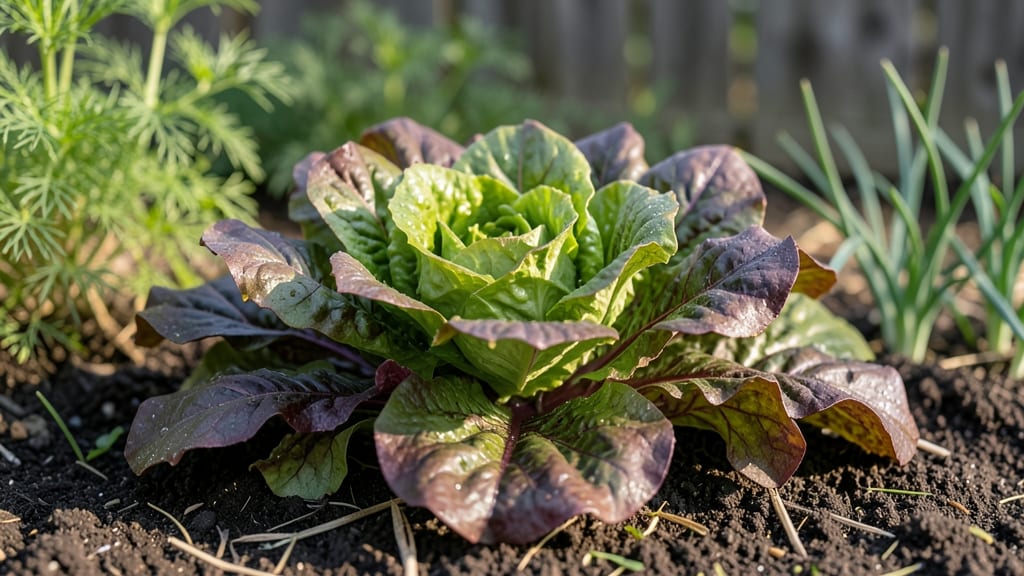
Growing loose leaf lettuce feels like cheating—crisp, tender greens with almost no effort. 🌱 The secret lies in its forgiving nature: no bolting, no fussing over perfect heads, just a steady supply of leaves whenever you want them.
I’ve grown it through four seasons now, and the only thing that changes is how I protect it from heat or cold. Start with a sunny spot and well-draining soil, then scatter seeds every 2-3 weeks for a continuous harvest.
Unlike iceberg lettuce, loose leaf varieties thrive when you pick outer leaves, letting the plant keep growing. Water gently to avoid washing away seeds, and watch those first sprouts emerge in just 5-7 days. By midsummer, you’ll be harvesting fresh leaves for sandwiches, salads, or cooking—no store-bought greens needed.
The plants stay productive for weeks, and pests rarely bother them. It’s the perfect beginner crop that even black thumbs can’t kill.
Loose leaf lettuce loves cool weather but tolerates heat better than head lettuce. Choose varieties like ‘Black Seeded Simpson’ or ‘Salad Bowl’ for reliability. Plant in shallow containers or directly in garden beds, keeping them moist but not soggy. A light mulch helps retain moisture and keeps weeds at bay.
Harvest leaves when they’re 3-4 inches tall, cutting just above the next set of leaves. This encourages bushier growth and extends your harvest season. With minimal care, you’ll enjoy fresh greens for months—no bolting, no bitterness, just crisp, flavorful leaves straight from your garden.
This method works year-round in mild climates, or you can grow it under row covers in winter. The key is consistency: keep the soil moist, protect from pests, and enjoy the harvest. It’s the easiest way to eat fresh, homegrown greens without the hassle of perfect heads.
📚 In This Guide
- What you need
- Instructions
- Tips and common mistakes
- Wrapping up and next steps
What you need
- ● Loose leaf lettuce seeds: Choose varieties like Black Seeded Simpson, Oakleaf, or Buttercrunch (1–2 packets, ~500–1,000 seeds total). Opt for heirloom or organic if preferred.
- ● Growing containers: For soil-based: 6–12" deep pots (3–5 per person) or raised beds (at least 12" deep). Use drainage holes!
- ● For hydroponics/aquaponics: Net pots (1–2" diameter) or deep water culture systems.
- ● High-quality potting mix: Lightweight, well-draining blend (e.g., Miracle-Gro Organic Choice or FoxFarm Ocean Forest). Avoid garden soil—it compacts too easily! (1–2 bags, ~1–2 cubic feet total.)
- ○ Compost or fertilizer: Balanced organic option (e.g., fish emulsion or worm castings) for nutrient boost. Optional: Slow-release granules (e.g., OsmoCote).
- ● Watering can or spray bottle: With a fine rose nozzle for gentle hydration.
- ○ Garden twine or stakes: (Optional) For trellising if growing leafy varieties with long stems.
- ● Sunlight: Partial shade to full sun (3–6 hours daily). Lettuce bolts (goes to seed) in hotter climates—use shade cloth (30–50%) in summer.
- ● Temperature: Ideal range: 45–75°F (7–24°C). Use a cold frame or row cover in winter for frost protection.
- ● Water: Consistent moisture—never let soil dry out. Mulch with straw to retain humidity.
- ● Space: Container gardening: 12" spacing between plants.
- ● In-ground: 6–12" apart in rows 12–18" apart.
Step-by-step instructions for growing loose leaf lettuce
Here’s how to grow tender, crisp lettuce that keeps producing all season long—no fuss, just flavor!
🌱 Step 1: Choose the Right Location and Soil
Loose leaf lettuce thrives in partial shade to full sun, especially in hot climates where it bolts quickly. I always pick a spot that gets 4-6 hours of morning sun and afternoon shade—this keeps leaves tender and prevents bitterness. The soil should be well-draining but moisture-retentive, so I mix in a handful of compost to enrich it before planting.
Test your soil’s moisture by squeezing a handful—it should hold together but not feel soggy. If your soil drains too fast, add a thin layer of mulch (like straw) to help retain moisture. Lettuce roots are shallow, so avoid heavy clay or compacted ground. Amend with 1-2 inches of compost if your soil feels dense.
💧 Step 2: Sow Seeds Directly (No Transplanting Needed!)
Scatter seeds ¼ inch deep and 1 inch apart in rows spaced 12-18 inches apart. I use my finger to make tiny furrows, then sprinkle seeds thinly—overcrowding leads to weak, leggy plants. Cover lightly with soil and mist gently with water until the surface looks damp but not wet.
Keep the soil consistently moist until germination, which takes 5-10 days in ideal conditions. You’ll know it’s time to water again when the top inch of soil feels dry to the touch. Avoid soaking the bed—lettuce hates soggy roots. Once seedlings appear, thin them to 4-6 inches apart to give each plant room to grow.
☀️ Step 3: Maintain Moisture and Protect from Heat
Loose leaf lettuce needs 1-1.5 inches of water per week, delivered evenly. I water deeply in the morning to reduce evaporation and prevent fungal diseases. Mulch helps retain moisture, so I spread a thin layer of straw after thinning seedlings. This keeps soil cool and reduces weeds.
Watch for heat stress in summer—lettuce bolts (goes to seed) when temperatures exceed 75°F. If your area gets hotter, grow lettuce in late summer or fall for sweeter, slower-bolting harvests. Shade cloth (30-50%) can extend the growing season in warm climates.
✂️ Step 4: Harvest Outer Leaves for Continuous Production
Start harvesting when leaves reach 3-4 inches tall. Use clean scissors or fingers to snip the outer leaves just above a set of smaller leaves. This encourages the plant to keep growing, giving you multiple harvests per season. I always harvest in the morning when leaves are crisp and hydrated.
Never cut more than ⅓ of the plant at once—this keeps the center healthy. With proper care, one lettuce plant can produce for 4-6 weeks or longer. If the center bolts (sends up a tall flower stalk), pull the whole plant and compost it—it won’t recover.
🌿 Step 5: Extend the Season with Succession Planting
For year-round harvests, plant new seeds every 2-3 weeks in spring and fall. In winter, use row covers or cold frames to protect tender seedlings from frost. I’ve grown lettuce successfully down to 20°F with a simple plastic tunnel—just remove it on sunny days to prevent overheating.
Rotate crops to prevent soil-borne diseases. Lettuce is a light feeder, so it doesn’t need heavy fertilization. A side dressing of compost in midsummer keeps it producing without overfeeding. With this method, you’ll have fresh, homegrown lettuce ready to harvest whenever you want!
Tips & tricks for perfect loose leaf lettuce growth
Here’s what I’ve learned after growing this crisp, continuous harvest favorite year after year—simple secrets that make all the difference.
Location is Everything: That 4-6 hours of morning sun is non-negotiable for tender leaves. In my hot climate zone, I actually mark my garden bed with stakes to track sunlight patterns—trust me, afternoon shade makes the difference between bitter and sweet. If your garden gets intense afternoon sun, consider using shade cloth (30-50%) during peak hours to protect young plants.
Seedling Success Starts with Moisture: The 5-10 day germination window can be tricky—don’t let that soil dry out! I use a spray bottle to keep seeds consistently moist during germination, and I’ve found that covering the bed with a clear plastic dome (like a mini greenhouse) speeds things up by 2-3 days. Once seedlings appear, switch to gentle watering at the base to avoid disturbing them.
Harvesting Like a Pro: Those 3-4 inch leaves are perfect for salads, but here’s the secret: harvest in the morning when leaves are packed with moisture and nutrients. I always use clean, sharp scissors and cut just above a set of smaller leaves—this encourages bushier growth. Pro tip: leave the center leaves to regrow, and you’ll get multiple harvests from one plant!
Season Extension Hacks: Don’t let summer heat stop your harvests! I’ve grown lettuce successfully at 20°F using simple row covers—just remove them during sunny days to prevent overheating. For fall plantings, I start seeds indoors 4-6 weeks before the last frost date to get a head start on the season. The key is timing: plant new seeds every 2-3 weeks to ensure continuous production.
Pro Tips for Loose Leaf Lettuce
- Here’s what I’ve learned after growing this crisp, continuous harvest favorite year after year—simple secrets that make all the difference.
- Location is Everything: That 4-6 hours of morning sun is non-negotiable for tender leaves.
- Seedling Success Starts with Moisture: The 5-10 day germination window can be tricky—don’t let that soil dry out!
Frequently asked questions
Got questions about growing loose leaf lettuce? You’re not alone! Whether you’re a beginner or a seasoned gardener, these answers will help you grow crisp, flavorful lettuce with ease.
How long does it take for loose leaf lettuce to grow?
Loose leaf lettuce is one of the fastest-growing greens—typically ready to harvest in 30 to 50 days from seed, depending on the variety. Baby leaves can be picked in as little as 25 days, while full-size leaves take closer to 6-8 weeks. Successive planting every 2 weeks ensures a continuous harvest!
Can I grow loose leaf lettuce in hot weather?
Loose leaf lettuce prefers cool temperatures (50–75°F), but it can bolt (go to seed) in extreme heat. To grow it in summer:
- Use shade cloth (30–50%)
- Plant in partial shade or containers for better airflow
- Choose heat-tolerant varieties like ‘Black Seeded Simpson’ or ‘Jericho’
What’s the best way to harvest loose leaf lettuce?
Unlike head lettuce, loose leaf varieties let you pick leaves as needed without uprooting the plant! Use clean scissors or fingers to snip the outer leaves first, leaving the inner growth intact. This method encourages regrowth for weeks. Avoid cutting more than 1/3 of the plant at once to prevent stress.
What can I plant after loose leaf lettuce?
Loose leaf lettuce is a light feeder, so it won’t deplete soil nutrients much. Follow it with:
- Root crops (carrots, radishes, beets)
- Alliums (onions, garlic, leeks)
- Herbs (basil, cilantro, dill)
- Fast-growing greens (spinach, kale)
Why is my loose leaf lettuce turning bitter or bolting?
Bitter taste or bolting (sending up a flower stalk) usually means your lettuce is stressed. Common causes:
- Too much heat – Use shade and water consistently.
- Daylight exposure – Lettuce bolts when days get too long (14+ hours of light). Try fall/winter planting or use shade cloth.
- Nutrient deficiency – Add nitrogen-rich fertilizer if leaves yellow.
Wrapping up and next steps
Growing loose leaf lettuce is a rewarding journey that brings fresh, crisp greens straight to your plate with minimal fuss! Whether you’re a beginner or a seasoned gardener, this versatile crop thrives in containers, raised beds, or even your backyard—proving that year-round harvests are totally within reach.
With the right care (and a little patience), you’ll soon enjoy homegrown salads packed with flavor and nutrients.
Ready to dive in? Start by planting your first seeds or seedlings this weekend—your future self (and taste buds!) will thank you. Happy growing! 🌱😊