
Vegetables
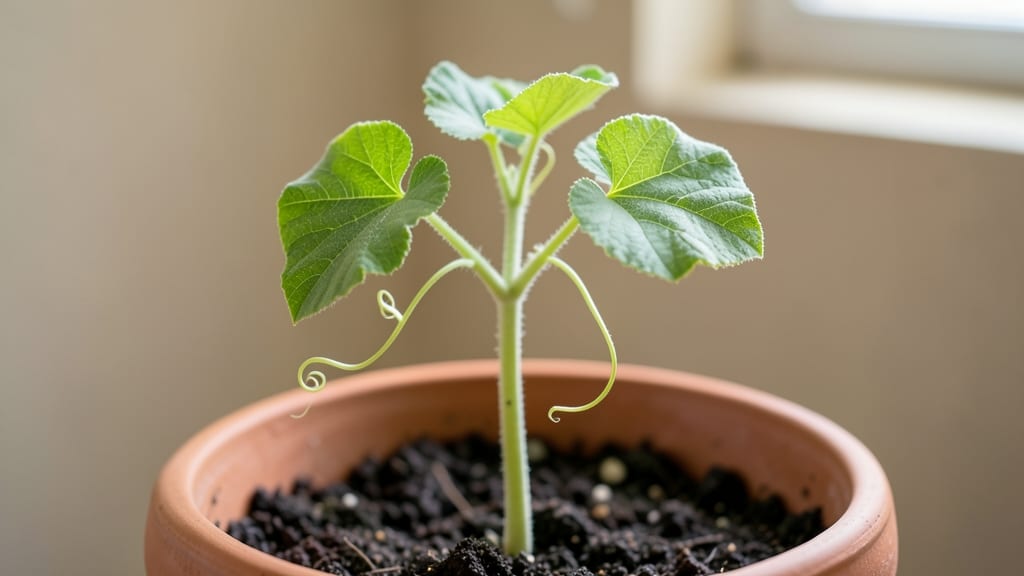
Luffa gourd seedlings pop up in just 3-5 days—faster than most vegetables, and with almost no fuss. 🌱 I’ve grown them for years, and the secret to their speed isn’t magic; it’s warm soil, patience, and knowing exactly when to act.
These vining wonders turn into natural loofahs with minimal effort, but the seedling stage is where most people stumble. Start with warm soil (70-80°F) and plant seeds 1 inch deep—they’ll need bright light from day one. Overwatering is the biggest mistake; keep the soil damp but not soggy.
Within 7-10 days, you’ll see those first true leaves, signaling it’s time to harden off seedlings before transplanting. By the time they’re ready to move outdoors, your luffas will be 6-8 inches tall and thriving. The key is spacing them 3-4 feet apart to let those vines sprawl.
No pruning, no fuss—just let them grow wild until harvest time. This method works in zones 5-11, whether you’re growing in containers or garden beds. The fast germination and hardy nature make them perfect for beginners—or anyone tired of waiting for slow-starting plants.
📚 In This Guide
- What you need
- Instructions
- Tips and common mistakes
- Wrapping up and next steps
What you need
- ● Luffa gourd seeds: 10–20 seeds (organic, non-GMO preferred for best results).
- ● Growing containers: 5–10 biodegradable seedling pots (3–4 inches deep) OR
- ● A shallow tray (10x20 inches) with drainage holes.
- ● Potting mix: 2–3 gallons of well-draining, sterile seed-starting mix (avoid garden soil—it’s too dense!).
- ● Watering can or spray bottle: With a fine mist nozzle for gentle hydration.
- ○ Seedling heat mat: (Optional) Speeds up germination for faster sprouts.
- ● Grow lights or sunny windowsill: 6+ hours of light daily (south-facing window works if natural light is strong).
- ● Fertilizer: Balanced, water-soluble fertilizer (5-10-5 ratio) for seedlings after 2 weeks.
- ● Twine or stakes: (For later) To support vines as they grow.
- ● Warmth: Ideal soil temp for germination: 70–90°F (use a heat mat if your home is cooler).
- ● Patience: Germination takes 7–14 days—stay consistent with moisture!
- ● Space: Luffa vines need 10+ feet of vertical/horizontal room to thrive.
How to grow luffa gourd seedlings with rapid germination
Here's the method I use to get luffa seedlings popping in days—not weeks.
🌱 Step 1: Prep Seeds for Faster Germination
Luffa seeds germinate fastest when prepped properly. Soak them in lukewarm water for 12-24 hours before planting—the outer shell softens, and you'll see tiny roots emerge. I use a shallow dish and leave them submerged just until they plump up slightly.
After soaking, lay the seeds on a paper towel to dry slightly for 1-2 hours. This prevents them from rotting once planted. You'll know they're ready when the outer coating feels slightly rougher to the touch—no need to scrub or peel them.
🪴 Step 2: Plant in Warm, Well-Draining Soil
Fill 4-inch pots with a mix of 50% potting soil and 50% perlite—this ensures drainage while retaining moisture. Luffa roots despise soggy conditions, so avoid garden soil. Press the soil down lightly to remove air pockets, then make a ½-inch deep hole for each seed.
Drop 1-2 seeds per pot (just in case one fails), cover with soil, and water gently until the surface feels damp but not wet. Place pots in a warm spot—75-85°F is ideal. You'll see sprouts in 3-5 days, but if your home runs cooler, a seedling heat mat speeds things up dramatically.
☀️ Step 3: Provide Bright, Indirect Light Immediately
Luffa seedlings need full sun from day one, but direct midday rays can scorch tender leaves. Start with 6-8 hours of bright, indirect light (like a south-facing window with sheer curtains). You'll notice leaves cupping toward the light—this is normal and corrects itself once they adjust.
After 7-10 days, when seedlings show 2-3 true leaves, transition them to direct sun for 4-6 hours daily. Gradually increase exposure to avoid shock. Leggy seedlings mean your light is too weak—move them within 12 inches of a grow light if needed.
💧 Step 4: Water Smartly to Prevent Rot
Keep soil evenly moist but never soggy—luffa seedlings rot faster than they grow. Water at the base when the top inch feels dry, and avoid wetting leaves to prevent fungal issues. You'll see yellowing at the leaf edges if overwatered; this recovers with less frequent watering.
Once seedlings hit 4-6 inches tall, switch to bottom-watering (place pots in a tray of water for 10-15 minutes). This encourages deep root growth and mimics their vine-habit needs. Fertilize lightly with a balanced 10-10-10 solution at half-strength after 2 weeks.
✂️ Step 5: Harden Off Before Transplanting
Two weeks before your last frost, start hardening off seedlings by placing them outside in partial shade for 1-2 hours daily. Gradually increase time and sun exposure over 7-10 days. You'll see leaves toughen and stems darken—this is your cue they're ready.
Transplant on a cloudy day or late afternoon, burying stems up to the first true leaves. Luffa vines root along their length, so deeper planting = stronger plants. Space 6-8 feet apart in well-draining soil—these gourds sprawl fast.
Tips & tricks for fast-germinating luffa seedlings
Real talk: The biggest mistake I see is rushing the prep work—skipping these steps can delay germination by weeks. Here's what nobody tells you about getting those sprouts popping in record time.
Soaking Secret: For the 12-24 hour soak in Step 1, use a glass container so you can actually see those little white roots emerge—it's the most satisfying part! Change the water if it gets cloudy (usually after 12 hours), and keep it lukewarm. Cold water slows germination, while hot water can damage the seed. I've found that the seeds are ready when they feel about 20% heavier than when you started.
Temperature Matters: Those 75-85°F temperatures in Step 2 aren't just numbers—they're critical. If your home runs cooler, invest in a seedling heat mat ($15 at any garden center) for just the first week. I've seen germination times double when seeds sit in 65°F conditions. Pro tip: Place your pots on top of your fridge (not inside) for a free heat source that stays consistently warm.
Light Transition Hack: When moving from indirect to direct sun in Step 3, do it gradually over 3-4 days rather than all at once. I start by moving pots to a spot that gets 2 hours of direct sun in the morning, then increase by 1 hour each day. Watch for leaves that look pale or stretched—this means they're reaching for more light. A grow light on a timer is worth every penny if your natural light is weak.
Watering Wisdom: That "evenly moist but never soggy" rule in Step 4 is easier said than done. Here's my trick: Use a spray bottle with a fine mist setting to check moisture levels. If water beads up on the surface, you're overdoing it. For bottom-watering in Step 4, I use a shallow tray with ½ inch of water—never more—and let the pots soak up what they need for exactly 10 minutes. This prevents the root rot that kills more seedlings than anything else.
Pro Tips for Luffa Gourd Seedling
- Real talk: The biggest mistake I see is rushing the prep work—skipping these steps can delay germination by weeks. He...
- Soaking Secret: For the 12-24 hour soak in Step 1, use a glass container so you can actually see those little white r...
- Temperature Matters: Those 75-85°F temperatures in Step 2 aren't just numbers—they're critical. If your home runs coo...
Frequently asked questions
Got questions about growing luffa gourd seedlings? You’re not alone! Here are some of the most common queries—plus quick, actionable answers to keep your spiky future sponges thriving.
How long does it take for luffa gourd seedlings to germinate?
Luffa gourd seeds are fast germinators—expect sprouts in 5–10 days if you keep soil warm (70–90°F) and moist. For speed, soak seeds overnight before planting! Pro tip: Use a heat mat if your climate runs cool.
When is the best time to transplant luffa seedlings outdoors?
Wait until nighttime temps stay above 55°F (usually after the last frost) and soil is warm. Seedlings handle light frost but grow best with 6+ hours of sun daily. Harden them off for 7–10 days first to avoid shock.
Can I grow luffa gourds from store-bought luffa sponges?
Yes! Clean a dried luffa sponge thoroughly, soak it in water for 24 hours, and plant the seeds inside. They’ll germinate just like fresh seeds—but expect lower viability (some seeds may not sprout). For better odds, use seeds from a trusted supplier.
What pests should I watch for with luffa seedlings?
Keep an eye out for aphids, cucumber beetles, and squash bugs—they love young luffa vines. Use neem oil or row covers early on. Prevention tip: Interplant with marigolds to deter pests naturally.
How do I know if my luffa seedlings are getting enough water?
Healthy seedlings need consistent moisture (1–2 inches of water weekly), but avoid soggy soil. Check by sticking your finger 1 inch deep—if it’s dry, water deeply. Yellowing leaves often signal overwatering, while wilted vines mean thirst!
Wrapping up and next steps
Growing luffa gourd seedlings is a rewarding journey that combines ease with incredible results—fast germination, minimal fuss, and a bountiful harvest of versatile luffas! Whether you're a seasoned gardener or just starting out, these hardy sprouts prove that big rewards come from small seeds. 🌱
Now that you’re armed with the right tips and tricks, it’s time to roll up your sleeves and plant those seeds. Watch your garden transform into a thriving luffa oasis, and soon, you’ll be enjoying eco-friendly sponges or fresh veggies straight from your backyard. Happy growing! 🌟