
Vegetables
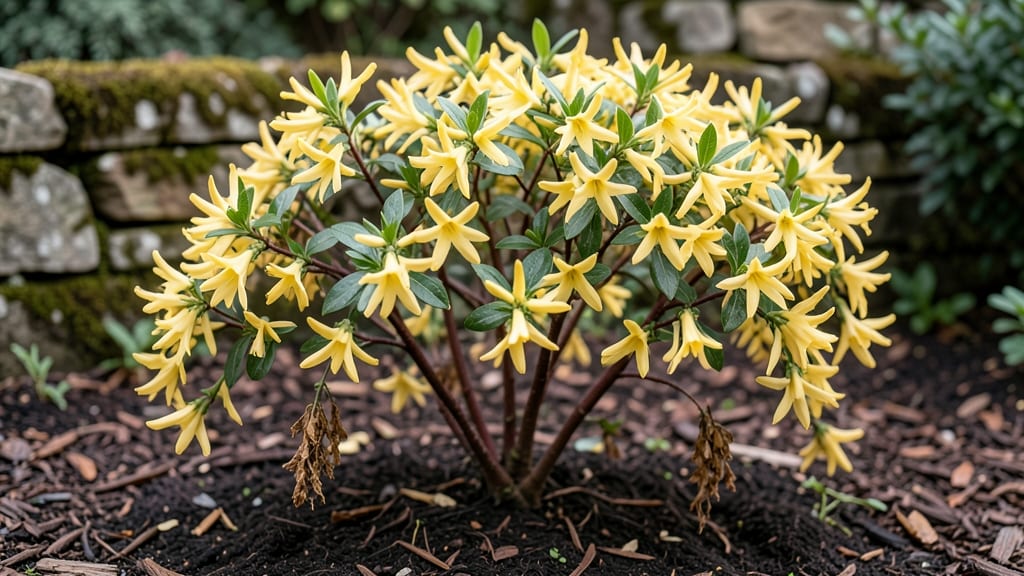
Lynwood Gold forsythia thrives in winter like a champion—its golden branches stay vibrant even when everything else is dormant. 🌿 I've watched mine glow against snowy backdrops for years, and the secret lies in its natural hardiness and minimal care requirements.
This isn't your typical forsythia that drops leaves; it keeps its foliage through mild winters, creating stunning winter interest. The plant handles frost like a pro, with branches that stay sturdy down to 10°F—no extra wrapping or mulching needed.
What makes it special is how it blooms earlier than most forsythias, often putting on its golden show in late winter or early spring while other plants are still asleep. The key is avoiding heavy pruning in late fall, which could stress the plant before winter.
You'll love how it brightens up gray winter days without any fuss. The branches hold their color through most cold snaps, and even if they do brown, they bounce back with spring's first warmth. It's one of those plants that makes winter gardening feel rewarding instead of dreary.
For best results, give it full sun and well-draining soil. In colder climates, a light layer of mulch helps protect the roots, but even that's optional. This is the kind of plant that rewards your patience with stunning, zero-effort color when you need it most.
📚 In This Guide
- What you need
- Instructions
- Tips and common mistakes
- Wrapping up and next steps
What you need
- ● Pruning shears: Bypass pruners (sharp, clean, and disinfected with rubbing alcohol to prevent disease). Quantity: 1 pair.
- ● Gloves: Heavy-duty gardening gloves (cut-resistant for thorny stems). Quantity: 1 pair.
- ● Fertilizer: Slow-release, balanced 10-10-10 granular fertilizer or organic compost (e.g., aged manure or worm castings). Quantity: 1–2 lbs per shrub.
- ● Mulch: Organic mulch (shredded bark, pine straw, or wood chips). Quantity: 2–3 inches, spread in a 2–3 ft radius around the base.
- ● Watering can or hose: With a gentle spray nozzle for hydration.
- ● Rake: Small-handled leaf rake (for clearing debris).
- ● Plant food: Liquid bloom booster (e.g., fish emulsion) for a post-prune nutrient kick.
- ● Anti-desiccant spray: (e.g., Wilt-Pruf) to protect tender new growth from winter winds.
- ● Burlap or frost cloth: Lightweight cover for extreme cold snaps (below 20°F).
- ● Garden twine: For temporarily staking leggy branches if needed.
- ● Soil pH tester: To check if your forsythia’s soil is in the ideal 6.0–7.0 range (adjust with lime or sulfur if needed).
Instructions for reviving Lynwood Gold forsythia after winter
Here's how to nurse your forsythia back to vibrant life with minimal effort.
☀️ Step 1: Prune for Shape and Health
Start pruning in late winter or early spring, just as buds begin to swell. Use clean, sharp pruners to make cuts at a 45-degree angle about ¼ inch above a bud—this prevents water from pooling on the cut. Remove any dead, diseased, or crossing branches first. These are the ones that look brown and brittle or rub against others.
Next, shape the plant by cutting back last year's growth to just outside an outward-facing bud. Lynwood Gold responds well to this approach, so don't worry about being too aggressive. The goal is to encourage new growth from the base and create an open, airy shape. You'll see fresh green buds forming within a few weeks—this is your signal that the plant is waking up.
💧 Step 2: Water Deeply but Sparingly
After pruning, water the forsythia deeply to help it recover. Stick your finger 2-3 inches into the soil—if it feels dry, give it a thorough soak. Lynwood Gold is drought-tolerant once established, but winter can leave the roots parched. Water at the base, avoiding the foliage to prevent fungal diseases. Early morning is the best time to water, as it allows the plant to dry out during the day.
Over the next few weeks, check the soil weekly. If your region experiences frequent dry spells, water every 7-10 days until new growth appears. You'll notice the leaves emerging from the base first—that's the plant's way of telling you it's happy and hydrated. Avoid wetting the leaves when watering to reduce the risk of mildew, which can stunt growth.
🌱 Step 3: Feed for Spring Growth
Apply a balanced, slow-release fertilizer (like 10-10-10) in early spring, just as new leaves begin to unfurl. Sprinkle the fertilizer evenly around the base of the plant, keeping it 3-4 inches away from the trunk. Water the area lightly afterward to help the granules dissolve into the soil. This gives the forsythia a gentle nutrient boost without overwhelming it.
Lynwood Gold doesn’t need heavy feeding, so avoid overdoing it. A light application every 4-6 weeks during the growing season is plenty. If you notice yellowing leaves, it could be a sign of over-fertilization—cut back on feeding and focus on watering instead. The plant will reward you with lush, golden blooms by late winter or early spring if it’s getting the right nutrients.
✂️ Step 4: Monitor for Pests and Diseases
Inspect your forsythia regularly for signs of pests like aphids or spider mites, which love new growth. Look for tiny webs, sticky residue on leaves, or clusters of small insects. If you spot any, spray the plant with neem oil or a soapy water solution (1 tablespoon mild dish soap per gallon of water). This is a gentle but effective way to keep pests in check without harming the plant.
Keep an eye out for fungal issues like powdery mildew, which appears as white, powdery spots on leaves. Improve airflow around the plant by pruning back any overcrowded branches. If mildew appears, treat it with a fungicide or a baking soda spray (1 teaspoon baking soda + 1 quart water + a drop of dish soap). Prevention is key—watering at the base and avoiding overhead sprinkling will help keep fungal problems at bay.
🌿 Step 5: Mulch to Protect Roots
Spread a 2-3 inch layer of mulch around the base of the forsythia, keeping it 6 inches away from the trunk. Use shredded bark, wood chips, or pine straw—these materials help retain moisture and regulate soil temperature. Mulch also suppresses weeds, which compete with your forsythia for nutrients. Replenish the mulch as it breaks down over the season.
This layer acts like a blanket for the roots, protecting them from extreme temperatures and keeping the soil moist. In winter, mulch helps insulate the roots from freezing temperatures, while in summer, it keeps them cool. You’ll see healthier growth and more vibrant blooms because the plant’s energy isn’t wasted fighting off stress. Just remember to keep the mulch layer even—too much can suffocate the roots, while too little won’t provide enough protection.
Tips & tricks for reviving your forsythia after winter
These simple strategies will help you bring your Lynwood Gold back to life with minimal effort—no green thumb required.
Pruning Precision: When shaping your forsythia in Step 1, focus on cutting just outside outward-facing buds. This encourages new growth toward the center of the plant, creating that lush, bushy shape we all love. I always make my cuts at a 45-degree angle about ¼ inch above the bud—this prevents water from sitting on the cut and causing rot. Think of it like giving your plant a fresh haircut that promotes healthy regrowth.
Watering Wisdom: In Step 2, the key is deep but infrequent watering. Stick your finger 2-3 inches into the soil—if it feels dry, give it a thorough soak. Early morning is perfect because it lets the plant dry out during the day, reducing fungal risks. I've learned the hard way that wetting leaves can lead to mildew, so always water at the base. You'll know you're doing it right when you see those first green leaves emerging from the base within a few weeks.
Fertilizer Timing: The instructions mention applying balanced fertilizer in early spring, but here's what nobody tells you: timing matters more than you think. Wait until you see those first few leaves unfurl before adding fertilizer. This tells you the plant is actively growing and ready to use the nutrients. I've seen many gardeners fertilize too early, which can actually stress the plant when it's still waking up from dormancy. Stick to that 3-4 inch distance from the trunk when applying, and always water lightly afterward to help the granules dissolve.
Mulch Magic: That 2-3 inch layer of mulch in Step 5 isn't just decoration—it's insulation for your plant's roots. Think of it as a cozy blanket that protects against both winter freezes and summer heat. I like to use shredded bark because it breaks down slowly and improves soil texture over time. The important part is keeping it 6 inches away from the trunk to prevent rot. You'll notice healthier growth and more vibrant blooms because your forsythia won't waste energy fighting temperature stress.
Pro Tips for Lynwood Gold Forsythia In Winter
- These simple strategies will help you bring your Lynwood Gold back to life with minimal effort—no green thumb required.
- Pruning Precision: When shaping your forsythia in Step 1, focus on cutting just outside outward-facing buds. This enc...
- Watering Wisdom: In Step 2, the key is deep but infrequent watering. Stick your finger 2-3 inches into the soil—if it...
Frequently asked questions
Will Lynwood Gold Forsythia lose its leaves in winter?
Yes, but don’t worry—it’s completely normal! This deciduous shrub sheds its leaves in cold months to conserve energy. Lynwood Gold is hardy (USDA Zones 5-9) and regrows fresh foliage in spring. Prune dead stems in late winter to encourage vibrant new growth.
How cold can Lynwood Gold Forsythia tolerate?
This forsythia handles temperatures down to -20°F (-29°C), making it ideal for most U.S. climates. For extra protection in harsh winters, mulch the base with 2–3 inches of organic mulch (like shredded bark) to insulate roots. Avoid heavy mulch piles against stems to prevent rot.
Can I prune Lynwood Gold Forsythia in winter?
Late winter (just before buds swell) is the best time to prune. Cut back dead or weak stems to the base, and shape lightly to maintain airflow. Avoid heavy pruning—this shrub blooms on old wood, so over-pruning may reduce spring flowers.
What if my forsythia doesn’t bloom in spring?
Check these fixes:
- Sunlight: Ensure it gets 6+ hours of sun daily—partial shade can delay blooms.
- Pruning timing: Prune after flowering (not in late winter) if blooms were sparse.
- Fertilizer: Apply a balanced 10-10-10 fertilizer in early spring to encourage growth.
- Age: Young shrubs (under 3 years) may bloom lightly—patience pays off!
Are there winter-hardy alternatives to Lynwood Gold?
If you want year-round color, consider:
- Winter Jasmine (Jasminum nudiflorum): Blooms yellow flowers in late winter/early spring (Zone 6-9).
- Dwarf Fothergilla (Fothergilla gardenii): Stunning fall foliage + winter interest (Zone 5-8).
- Oakleaf Hydrangea (Hydrangea quercifolia): Peeling bark and late-summer blooms (Zone 5-9).
Wrapping up and next steps
Reviving your Lynwood Gold Forsythia in winter doesn’t have to be a chore—just a little TLC for year-round blooms! With the right tools and a few simple steps, you can keep this stunning shrub thriving even when the temperatures drop. 🌿❄️
Now that you’re armed with the know-how, why not take the next step? Whether it’s pruning with confidence, adjusting your care routine, or even sharing tips with fellow gardeners, your Lynwood Gold is ready to reward you with vibrant blooms all season long. Happy gardening!