
Mower
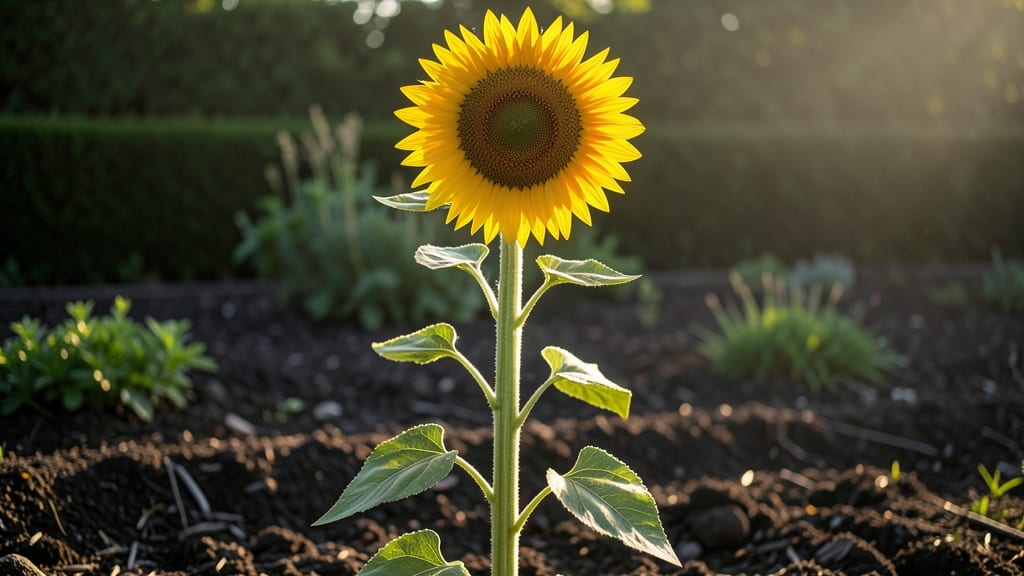
Growing a Mammoth Sunflower with the right size means planting a living sunbeam that can reach 10 to 14 feet tall—the kind of towering beauty that turns heads in any garden 🌻.
But here’s the catch: if you don’t plan for their size, you’ll end up with crowded, weak stems that flop over like overgrown weeds instead of the majestic giants you imagined. I’ve seen it happen more times than I’d like to admit.
These sunflowers aren’t just tall—they’re heavy, with blooms that can weigh up to 2 pounds each. That’s why spacing and soil prep matter just as much as sunlight, and why a little extra effort now saves you from a garden full of sad, leaning stalks later.
In this guide, I’ll break down exactly how tall Mammoth Sunflowers grow, how far apart to plant them, and the simple tricks to coax them into reaching their full potential—without turning your backyard into a jungle.

How tall do Mammoth sunflowers grow? Height & growth expectations
If you're planning to grow Mammoth sunflowers, you're in for a treat—these giants can reach heights that will leave your neighbors in awe. On average, mature Mammoth sunflowers grow between 10 to 16 feet tall, with some varieties even surpassing 16 feet under ideal conditions.
Their towering stems and massive blooms make them a stunning centerpiece in any garden or landscape.
Unlike smaller sunflower varieties, Mammoth sunflowers require ample space and proper care to achieve their full potential. Their growth is influenced by several factors, including soil quality, sunlight exposure, and watering consistency.
If these conditions aren't met, you might end up with stunted plants that struggle to reach their expected height.
Here’s a quick comparison to help you visualize their size: a Mammoth sunflower can grow taller than a standard basketball hoop (10 feet) and even rival the height of a two-story house door (8-10 feet).
Their impressive stature makes them perfect for creating a dramatic focal point in your garden or even as a natural windbreak.
To maximize their growth, it's essential to provide them with well-draining soil, full sun exposure, and consistent moisture. These conditions ensure that your Mammoth sunflowers grow strong, sturdy stems capable of supporting their massive blooms.
| Characteristic | Details |
|---|---|
| Mature Height | 10–16 feet |
| Stem Diameter | 2–4 inches |
| Flower Head Size | 12–20 inches |
| Growth Rate | 3–4 inches per week (peak) |
| Days to Maturity | 75–90 days |
| Sunlight Needs | 6–8+ hours daily |
| Soil Type | Well-draining, fertile |
One of the most exciting aspects of growing Mammoth sunflowers is watching them grow from tiny seedlings into towering giants. In their first year, these sunflowers can reach heights of 8 to 10 feet, while in subsequent years, they may grow even taller, especially if given optimal growing conditions.
Their rapid growth makes them a favorite among gardeners looking for quick, dramatic results.
Compared to other sunflower varieties, Mammoth sunflowers are significantly taller. For example, dwarf sunflowers typically grow only 2–4 feet tall, while standard sunflowers reach heights of 5–8 feet. This makes Mammoth sunflowers a unique choice for those who want to make a bold statement in their garden without sacrificing beauty.
To ensure your Mammoth sunflowers reach their full potential, it’s crucial to provide them with the right growing conditions. Start by planting them in a location with full sun exposure, as they require at least 6–8 hours of direct sunlight each day.
Additionally, ensure the soil is rich in organic matter and well-draining to prevent root rot and promote healthy growth.
Watering plays a vital role in their development. While Mammoth sunflowers are somewhat drought-tolerant once established, they need consistent moisture during their early growth stages. Aim to water them deeply every 3–5 days, especially during hot, dry periods.
This helps prevent the stems from becoming weak and prone to breaking under their own weight.
If you're growing Mammoth sunflowers in an area prone to strong winds, consider providing some support, such as stakes or cages, to help them maintain their stability. This is particularly important as the plants grow taller and heavier.
With the right care, your Mammoth sunflowers will not only reach impressive heights but also produce stunning, large blooms that will be the envy of your neighborhood.
In summary, Mammoth sunflowers are a fantastic choice for gardeners who want to add height and drama to their outdoor space. By understanding their growth expectations and providing the ideal growing conditions, you can enjoy the rewarding experience of watching these towering beauties flourish.
Proper spacing for Mammoth sunflowers: avoid overcrowding & boost blooms
Mammoth sunflowers need ample space to reach their full 10-14 foot height and 2-3 foot spread. Planting them too closely leads to stunted growth, smaller blooms, and increased disease risk.
The ideal spacing range is 18-36 inches apart, depending on your goals—closer spacing creates dramatic visual clusters, while wider spacing maximizes individual flower size.
Why spacing matters isn't just about aesthetics—it’s about resource competition. Crowded sunflowers battle for sunlight, water, and nutrients, resulting in weaker stems that can’t support their own weight. Proper spacing ensures each plant gets 6-8 hours of direct sunlight and reduces wind resistance, preventing stem breakage during storms.
Here’s how to choose the right spacing for your garden:
| Spacing Method | Planting Distance | Best For | Bloom Impact |
|---|---|---|---|
| Single Planting | 24-36 inches apart | Maximizing flower size | Larger individual blooms (12+ inches) |
| Cluster Planting | 18-24 inches apart | Dramatic visual impact | Smaller but abundant blooms |
| Row Planting | 30-36 inches apart, rows 3 feet apart | Large-scale gardens | Consistent medium-sized blooms |
For companion planting, pair mammoth sunflowers with bush beans or marigolds to improve soil health and deter pests. Avoid planting near tomatoes or potatoes, as they compete for the same nutrients and can stunt sunflower growth.
If you’re growing in containers, use large pots (18+ inches wide) and limit to one plant per container to prevent root competition.
Wind resistance is critical for these giants. When planting near fences or trellises, space them 36 inches apart to reduce swaying. If your garden is windy, consider staking tall varieties at planting time to support their weight.
Even with proper spacing, mulch heavily around the base to retain moisture and prevent weeds from stealing nutrients.
Remember, soil quality amplifies the benefits of proper spacing. Amend your soil with compost or aged manure before planting to ensure your mammoth sunflowers have the nutrients they need to thrive. With the right spacing and care, you’ll be rewarded with showstopping blooms that turn heads all summer long.
🌻