
Vegetables
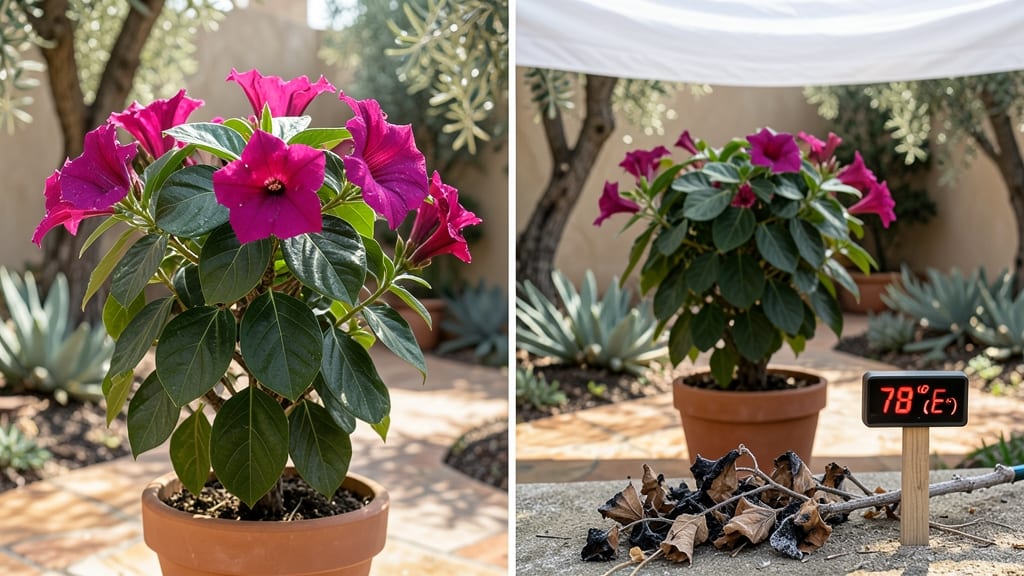
The Mandevilla’s remarkable temperature tolerance makes it a standout in regions where most plants freeze—USDA Zones 9-11, with temperatures between 65°F and 85°F being its sweet spot. 🌿 I’ve watched mine explode with pink blooms in summer heats that would crisp lettuce, but even they draw their leaves when temps dip below 50°F. The key isn’t just heat tolerance—it’s knowing when to shield them from both scorching sun and chilly nights that sneak in after summer’s last hurrah.
In hotter zones, morning shade prevents leaf scorch, while consistent moisture keeps roots cool. My trick? Mulch heavily with 3-4 inches of organic matter to regulate soil temps—think of it as a thermal blanket for roots.
For colder climates, container growing becomes your best friend: roll plants indoors before 45°F hits, or dig up tubers to store in a cool, dark spot until spring.
What you’ll end up with is a plant that reblooms nonstop from spring to frost, its trumpet-shaped flowers drawing hummingbirds like magnets. The trade-off? A little more attention to seasonal shifts than heat-loving succulents.
But once you master the temperature dance, Mandevilla becomes the easiest perennial to grow—no fuss, just color.
Pro tip: Pair it with Lantana or Bougainvillea for a heat-resistant trio that thrives together. And if you’re in Zone 8 or colder? Treat it as an annual—you’ll still get 6 months of blooms before winter’s first whisper. Let’s keep those flowers coming!
📚 In This Guide
- What you need
- Instructions
- Tips and common mistakes
- Wrapping up and next steps
What you need
- ● Mandevilla plants: 1–3 healthy specimens (choose varieties like Mandevilla laxa or Mandevilla sanderi for optimal heat tolerance).
- ● Well-draining potting mix: 1–2 bags (50 lbs each) of a blend designed for tropical plants (e.g., 60% peat moss, 20% perlite, 20% sand).
- ● Containers: 1–2 pots per plant (12–18 inches in diameter) with drainage holes. Terracotta is ideal for heat regulation.
- ● Thermometer: 1 digital soil/air thermometer (range: 32°F–120°F) to monitor microclimates.
- ● Mulch: 1 bag (20 lbs) of organic mulch (e.g., pine bark or coconut coir) to retain moisture and moderate soil temps.
- ● Watering can or hose: With a gentle spray nozzle for hydration without shocking roots.
- ● Shade cloth: 50%–70% coverage for afternoon sun protection in zones 9–11.
- ● Fertilizer: Balanced liquid fertilizer (10-10-10) or slow-release granules for tropical blooms.
- ● Grow lights: LED bulbs (5000K–6500K) for indoor overwintering in colder zones.
- ● Humidity tray: A shallow tray with pebbles and water to boost humidity in dry climates.
Understanding Mandevilla’s temperature tolerance: exact Zone limits and care
This tropical beauty thrives in warmth but has strict boundaries—here’s how to keep yours happy year-round.
🌡️ Step 1: Identify Your Hardiness Zone and Seasonal Limits
Mandevillas flourish in USDA Zones 9-11, where winter temperatures rarely drop below 30°F. If you live in Zone 8 or cooler, treat it as an annual or overwinter indoors. The plant’s natural range mimics tropical climates, so any prolonged exposure to below 25°F risks irreversible damage—leaves blacken, stems shrivel, and recovery is unlikely.
Check your local microclimate, too. Coastal areas in Zone 8 often stay warmer than inland spots, while valleys can trap cold air. I’ve seen Mandevillas survive Zone 8 winters in sheltered microclimates near south-facing walls, but they’re far from foolproof. Note the last frost date in your area—this determines when to move potted plants indoors.
☀️ Step 2: Adjust Care for Summer Heat and Humidity
Mandevillas love hot summers, but they need consistent moisture to handle the heat. In Zones 9-11, water deeply 2-3 times per week during peak summer, ensuring the top 2 inches of soil stay damp but never soggy. Overwatering in high heat causes root rot, while underwatering leads to crispy leaves and bud drop.
Boost humidity around your plant by grouping it with other tropicals or misting leaves daily in dry climates. I place a tray of pebbles and water beneath the pot to create a natural humid microclimate. Watch for yellowing leaves—this often signals underwatering, while dark, mushy stems mean overwatering. Both issues are fixable if caught early.
🏡 Step 3: Prepare for Winter in Cooler Climates
In Zones 8 and below, dig up potted Mandevillas or cut back garden plants to 6 inches tall before the first frost. Prune aggressively to reduce stress on the plant during dormancy. Move pots indoors to a bright, cool spot (around 50-60°F) with no direct sunlight—this mimics their natural dry season. Reduce watering to once every 2-3 weeks, keeping soil barely moist.
If you can’t bring them inside, mulch garden-planted Mandevillas heavily with 4-6 inches of straw or leaves to insulate roots. Cover the plant with burlap or frost cloth when nighttime temps dip below 40°F. Even with protection, expect some dieback—new growth will emerge in spring from the roots. Never let the soil freeze; this kills the plant outright.
⏰ Step 4: Gradually Reintroduce Heat in Spring
When daytime temperatures consistently stay above 55°F, it’s time to reintroduce your Mandevilla to outdoor conditions. Harden off potted plants by placing them outside for 2-3 hours daily, gradually increasing exposure over 7-10 days. Watch for new leaf growth—this signals the plant is ready for full sun and warmer temps.
For garden-planted Mandevillas, prune back any dead or damaged growth in early spring. Fertilize lightly with a balanced 10-10-10 formula once new shoots appear. Avoid heavy feeding until you see at least 2-3 inches of new growth, as this can stress the plant. The key is patience—rushing the transition often leads to sunburn or shock.
⚠️ Step 5: Monitor for Heat Stress and Adjust
Even in ideal zones, Mandevillas can suffer from heat stress during prolonged above-90°F spells. Symptoms include drooping leaves, yellowing, and bud drop. Move potted plants to partial shade during the hottest afternoons and resume full sun once temps dip below 85°F. Increase watering frequency to daily during heatwaves, watering in the early morning to reduce evaporation.
If you notice white, powdery spots on leaves, it’s likely powdery mildew, a common issue in humid heat. Improve airflow by pruning crowded stems and spray leaves with a neem oil solution (1 tsp per quart of water). Avoid fungicides—they can harm the plant’s delicate foliage. With proper care, your Mandevilla will bounce back within 2-3 weeks of adjusting conditions.
Tips & tricks for thriving Mandevilla care in any climate
Between us, these are the secrets that’ll keep your tropical Mandevilla looking lush year-round—no matter where you live.
Microclimate Mastery: The 25°F threshold isn’t just a number—it’s the difference between a thriving plant and a sad, wilted one. I learned this the hard way after watching a Zone 8 Mandevilla survive a winter in a sheltered south-facing spot but perish just 20 feet away in an open area. Use your home’s architecture to your advantage: glass doors, brick walls, and even dense shrubbery can create microclimates that add 5-10°F of protection during cold snaps. Place your plant where it gets afternoon sun in winter (when the sun is lower) rather than assuming all spots are equal.
Heat Stress Rescue: When temps climb above 90°F, your Mandevilla’s leaves will start drooping faster than you can say "heatwave." The trick is to move potted plants to partial shade during the hottest 4-6 hours of the day (usually 11 AM to 4 PM) rather than keeping them in full sun all day. For garden plants, provide afternoon shade with a sheer curtain or lightweight shade cloth. The goal is to keep leaves from wilting while still allowing enough light for photosynthesis. I’ve seen plants recover within 24 hours of adjusting to partial shade during extreme heat.
Winter Prep Timing: That 6-inch pruning before first frost isn’t just about aesthetics—it’s about survival. Prune too early, and your plant will have less energy to store for winter. Wait too long, and frost damage will stress it further. My rule of thumb: prune when daytime temps consistently stay above 55°F but nighttime dips below 50°F. This gives the plant a few weeks to recover before winter hits. For potted plants, move them indoors before nighttime temps drop below 40°F, even if daytime highs are still warm.
Humidity Hack: The pebble tray method works, but here’s what nobody tells you—it’s not just about the water. The real magic happens when you combine it with a light misting of leaves in the morning. This mimics the natural humidity of tropical climates while preventing fungal issues that come from keeping leaves wet too long. I use a spray bottle with room-temperature water (never cold) and mist just until leaves glisten—not until water drips. The key is consistency: do this every morning during dry spells, and your Mandevilla will thank you with glossy, healthy foliage.
Pro Tips for Mandevilla Temperature Tolerance
- Between us, these are the secrets that’ll keep your tropical Mandevilla looking lush year-round—no matter where you l...
- Microclimate Mastery: The 25°F threshold isn’t just a number—it’s the difference between a thriving plant and a sad, ...
- Heat Stress Rescue: When temps climb above 90°F, your Mandevilla’s leaves will start drooping faster than you can say...
Frequently asked questions
What are the exact USDA hardiness zones for Mandevilla plants?
The Mandevilla thrives in USDA Zones 9-11 as a perennial. In colder zones (8 or below), it’s best grown as an annual or overwintered indoors. Young plants are especially vulnerable to frost, so protect them if you’re pushing the limits!
Can Mandevilla survive a light frost?
No—Mandevilla is not frost-tolerant. Even a light frost (below 32°F/0°C) can kill the plant. If you live in marginal zones, dig up tubers in fall, trim foliage, and store them in a cool, dry place until spring.
How hot is too hot for Mandevilla?
Mandevilla handles heat well (up to 100°F/38°C), but extreme heat + drought stresses it. Provide afternoon shade in zones 10-11 and water deeply 2-3x/week during dry spells. Mulch helps retain moisture!
What’s the best way to protect Mandevilla in winter?
For overwintering, cut back vines, dig up tubers, and store them in pearlite or vermiculite at 40-50°F (4-10°C). Replant in spring after last frost. Alternatively, grow in containers and move indoors!
Are there cold-hardy alternatives to Mandevilla?
Yes! Try Campsis radicans (trumpet vine) (Zones 4-9) or Bignonia capreolata (crossvine) (Zones 4-9) for frost-resistant vines. For tropical vibes, Plumbago auriculata (Zones 8-11) is another heat-lover!
Wrapping up and next steps
Mastering Mandevilla temperature tolerance is all about balance—giving your plant the warmth it loves while protecting it from harsh extremes. 🌡️ With the right care, this stunning perennial can thrive in zones 9-11 (or indoors year-round elsewhere!).
Now that you know its ideal conditions, take the next step: monitor your local climate, adjust care as seasons shift, and watch your Mandevilla reward you with vibrant blooms all year. You’ve got this!