
Vegetables
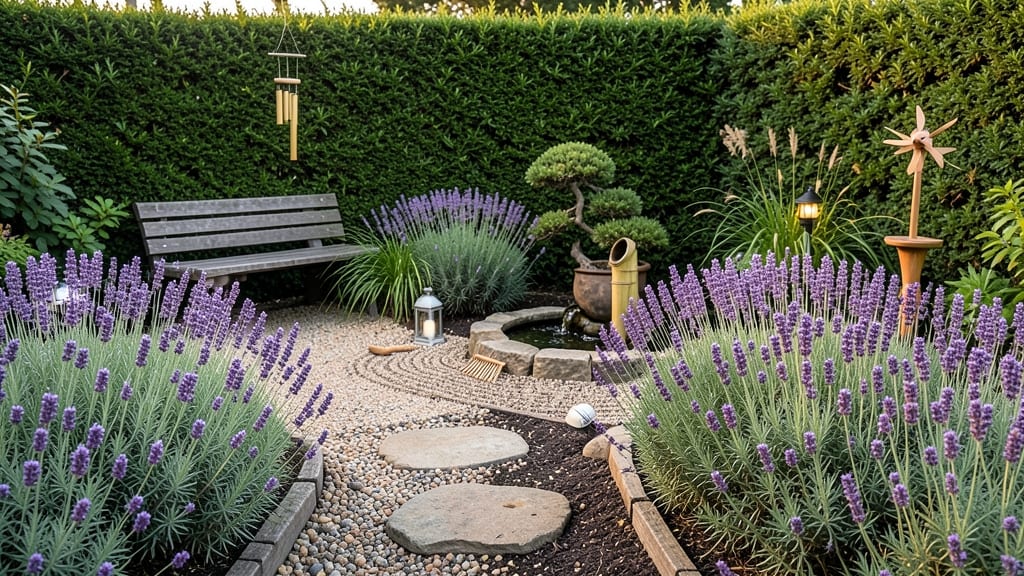
Creating a meditation garden near your home transforms your backyard into a serene sanctuary where every step feels like a retreat. 🌿 I designed mine after realizing how much my stress levels dropped just by stepping into a space with fragrant lavender, the gentle sound of trickling water, and a bench that faced the rising sun.
The key isn't perfection—it's intentionality in plant selection, hardscaping, and layout to create a space that soothes the mind while still allowing for light gardening or harvesting herbs for tea.
Start with a focal point—whether it's a small bamboo water feature, a smooth river rock path, or a simple wooden bench surrounded by low-growing thyme. Add plants that engage your senses: lavender for scent, mint for texture, and sunflowers to draw the eye upward.
My garden includes a dedicated "harvesting nook" where I can pluck fresh rosemary or basil without leaving the peaceful space. The goal is harmony between tranquility and functionality.
You'll end up with a space that feels like an extension of your home—one where you can sit for 10 minutes of quiet reflection or spend an hour tending to your calming herbs. The best part?
It doesn't require a large plot. Even a 6x6-foot corner can become a meditation haven with the right design. This is where gardening meets mindfulness, and every visit becomes a mini escape from daily chaos.
For inspiration, visit local botanical gardens or nature preserves that feature meditation spaces—many offer free guided walks. Notice how they use natural materials, soft curves, and layered planting to create depth.
Bring those elements home, and you'll have a garden that nurtures both body and soul. The harvest isn't just in the plants, but in the peace they help you cultivate.
📚 In This Guide
- What you need
- Instructions
- Tips and common mistakes
- Wrapping up and next steps
What you need
- ● Soil: 10-15 bags (2 cubic feet each) of high-quality, well-draining potting mix or garden soil (look for organic options).
- ● Plants: 3-5 slow-growing, low-maintenance plants like lavender, rosemary, or dwarf conifers for structure.
- ● 1-2 small fruit/veggie plants (e.g., cherry tomatoes, strawberries, or herbs like basil) for a "peaceful harvest" touch.
- ● Mulch: 2-3 bags of organic mulch (e.g., cedar chips or straw) to retain moisture and suppress weeds.
- ● Watering supplies: A watering can (1-2 gallons) or a soaker hose (25-50 feet).
- ○ Drip irrigation kit (optional but ideal for low-maintenance gardens).
- ● Basic tools: 1 garden trowel or hand shovel.
- ● 1 pair of gardening gloves (water-resistant).
- ● 1 small rake or hoe for leveling soil.
- ○ Decorative elements (optional but recommended): 3-5 smooth stones or a small Zen garden rake for a minimalist touch.
- ● 1-2 bamboo stakes or a small trellis (if growing climbing plants).
- ● Solar-powered garden lights (3-5) for evening ambiance.
- ● A dedicated outdoor space (even a small balcony or patio works!)
- ● Sunlight access: At least 4-6 hours of direct sunlight daily (adjust plants based on your zone).
- ● Basic knowledge of plant care (or willingness to learn—resources like Old Farmer’s Almanac are great!).
Step-by-Step instructions for creating a Zen-inspired meditation garden
Transform your space into a tranquil retreat with these intentional layouts designed for both harvest and serenity.
🪴 Step 1: Choose a Calm, Sunlit Spot
Select a location that receives 4-6 hours of gentle sunlight daily—too much direct sun can create heat stress, while too little will stunt growth. I always look for areas with natural shade from nearby trees or structures, especially in warmer climates. Avoid windy spots; a sheltered corner near a fence or building creates a peaceful microclimate.
Walk through the space at different times of day to observe how light shifts. Notice where shadows linger longest—this will help you position seating or walking paths later. The goal is a spot that feels enclosed yet open to the sky, like a quiet corner of a Japanese tea garden.
☀️ Step 2: Design for Flow and Balance
Create a circular or winding path (about 3-4 feet wide) using gravel, stepping stones, or smooth flagstone to guide movement mindfully. I like to incorporate three focal points: a central meditation seat, a small water feature, and a raised bed for herbs or flowers. Arrange these in a triangle to create natural balance—your eyes should rest easily on all three elements.
Add low-growing ground covers like creeping thyme or moss along the path edges to soften transitions. Avoid sharp lines; instead, use curved borders for a soothing, organic feel. This isn’t just about aesthetics—it’s about creating a space that invites slow, intentional movement.
🌿 Step 3: Plant for Sensory Harmony
Select plants that engage multiple senses without overwhelming them. I recommend lavender, rosemary, and mint for fragrance, bamboo or ornamental grasses for rustling sounds, and succulents or hostas for visual texture. Place taller plants toward the back of the garden and shorter ones in the front to create depth.
Include one or two "harvestable" elements, like a small herb spiral or a single fruit tree (like a dwarf apple or fig). These remind you that this garden serves both spirit and sustenance. Water gently in the early morning or evening to avoid disturbing roots or attracting pests.
⏰ Step 4: Add Meditation-Friendly Elements
Install a simple wooden bench or cushion seat facing a view—whether it’s a tree, a stone, or an empty horizon. I like to place a small table nearby for a cup of tea or a journal. Add a wind chime or bamboo flute for subtle soundscapes, but keep it minimal so the space remains undistracted.
Incorporate natural materials like smooth river rocks, driftwood, or a small Zen sand garden (even a 6-inch square tray filled with raked sand works). These elements ground the space in simplicity. Avoid clutter—every object should have purpose, whether practical (like a watering can) or symbolic (like a lantern for evening use).
💧 Step 5: Maintain with Mindful Rituals
Water the garden early in the morning when the air is cool and still. Use a watering can with a narrow spout to direct moisture precisely—this turns watering into a meditative act. I like to pause between each plant, taking a breath and observing its growth. Weed gently, removing only what’s necessary to keep the space open and airy.
Seasonally, prune plants to encourage new growth and maintain their shape. Use clean, sharp tools to avoid damaging stems. Once a month, take time to sit in your garden and notice what’s thriving and what’s not. Adjust as needed—this garden should evolve with you, not against you.
Tips & tricks for perfect Zen-inspired meditation gardens
Creating a tranquil meditation garden isn't about perfection—it's about intention. Here's how to bring harmony to your space with these thoughtful approaches.
Lighting Strategy: In Step 1, when selecting your 4-6 hours of gentle sunlight, consider the seasons. Evergreen trees provide consistent shade, but deciduous trees offer seasonal light variations. I've found that positioning your garden slightly east of south maximizes morning light while avoiding harsh afternoon sun—ideal for both growth and meditation.
Pathway Precision: For Step 2's 3-4 feet wide path, use stepping stones spaced about 12-18 inches apart for natural footing. This creates subtle rhythm as you walk, enhancing mindfulness. I recommend using flagstone rather than gravel—it stays cooler underfoot and requires less maintenance over time.
Sensory Layering: When planting in Step 3, create a "sensory journey" by arranging plants in this order: sight (hostas in front), sound (bamboo near the path), fragrance (lavender at the back). This progression engages your senses sequentially as you move through the space, deepening the meditative experience.
Maintenance Mindset: In Step 5, that monthly sitting to observe growth isn't just about upkeep—it's about connection. I've noticed that when I approach maintenance with curiosity rather than obligation, the garden feels more alive. Try setting a timer for 5 minutes of quiet observation before weeding to transform chores into mindfulness practice.
Pro Tips for Meditation Gardens Near Me
- Creating a tranquil meditation garden isn't about perfection—it's about intention.
- Lighting Strategy: In Step 1, when selecting your 4-6 hours of gentle sunlight, consider the seasons.
- Pathway Precision: For Step 2's 3-4 feet wide path, use stepping stones spaced about 12-18 inches apart for natural footing.
Frequently asked questions
Got questions about finding or creating your own meditation garden? Here are some common ones—and their answers—to help you cultivate serenity with ease!
What’s the best time of day to visit a meditation garden?
Early morning (sunrise) or late afternoon (golden hour) are ideal for meditation gardens. The soft light, fewer crowds, and gentle breeze create the perfect ambiance. If mornings don’t work, evenings offer a calming transition into night. Pro tip: Check the garden’s hours—some close early or have quiet hours!
How do I find meditation gardens near me?
Start with a quick online search using keywords like “meditation gardens near me” or “zen gardens” plus your city name. Apps like AllTrails or Google Maps can filter for parks with meditation-friendly spaces. Ask local yoga studios or wellness centers—they often recommend nearby spots. Don’t forget botanical gardens or temple grounds!
Can I create a meditation garden without a green thumb?
Start small with low-maintenance plants like lavender, succulents, or ornamental grasses. Use containers for flexibility, and focus on textures (smooth stones, wooden benches) over complex designs. Even a single Zen rock or a quiet corner with a wind chime can transform a space. Less is more!
How long should I meditate in a garden for noticeable benefits?
Even 5–10 minutes daily can reduce stress and improve focus. For deeper relaxation, aim for 20–30 minutes. Beginners may start with shorter sessions, gradually increasing time. Consistency matters more than duration—listen to your body and adjust. Tip: Pair your garden time with a favorite mantra or nature sounds for extra calm.
What if it rains? Can I still use my meditation garden?
Rainy days are perfect for indoor meditation near your garden’s entrance or under a covered pavilion. Bring a cozy blanket or chair, and lean into the sounds of rain—it’s a natural stress reliever! If you’re outdoors, waterproof seating (like a bamboo mat) and quick-dry fabrics help. Embrace the weather!
Are there meditation gardens with edible plants?
Yes! Some gardens blend meditation with vegetable patches or herb spirals (like basil or mint). Look for “permaculture gardens” or community plots near wellness centers. Even a small herb spiral in your garden can tie mindfulness to harvests. Bonus: Tending plants adds a grounding, sensory experience!
Wrapping up and next steps
Creating your own meditation garden is a rewarding way to cultivate both inner peace and fresh, organic produce. Whether you’re designing a serene escape in your backyard or a small urban oasis, these Zen-inspired layouts offer the perfect blend of tranquility and harvestable beauty. 🌿✨
Now that you’re inspired, why not take the first step? Start small—plant a single row of calming herbs like basil or mint, or sketch a simple layout for your dream garden.
Every mindful moment spent nurturing your space will bloom into a sanctuary where you can meditate, grow, and thrive.