
Vegetables
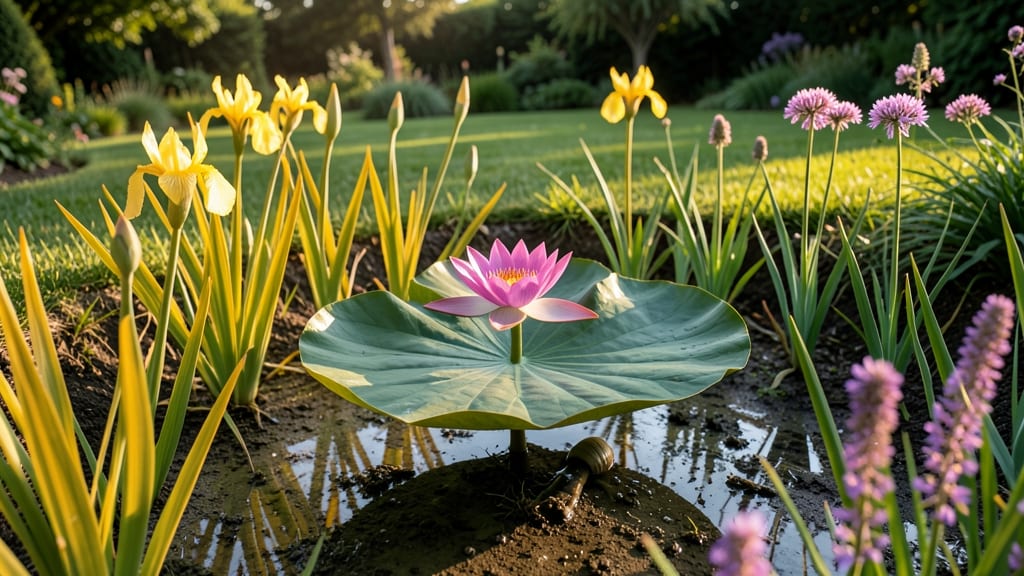
The Monet gardens in France at Giverny burst with colors that still inspire gardeners today. 🌸 His famous water lilies and vibrant borders weren’t just beautiful—they were carefully designed to play with light, season, and movement. The way he layered plants, from towering delphiniums to delicate herbs, created a living masterpiece that feels alive in every season. At the heart of Monet’s design was bold color blocking—swaths of red, blue, and yellow that pop against lush greens. He also wove in herbal borders like lavender, rosemary, and thyme to add fragrance and texture. The Japanese bridge and pond weren’t just decorative; they framed reflections that changed with the light, turning the garden into an ever-shifting canvas. You can bring this magic to your own space with seasonal swaps—planting sunflowers in summer, crocuses in spring, and hollyhocks in fall. Even a small yard can borrow Monet’s tricks: use containers for bold blooms, add a simple water feature, and let colors "talk" to each other. The result? A garden that feels like a painting come to life. Start small—maybe a single border or a focal point—and watch how color and texture transform your outdoor space. The key is confidence in contrast: don’t shy away from clashing hues. Monet didn’t, and neither should you!
📚 In This Guide
- What you need
- Instructions
- Tips and common mistakes
- Wrapping up and next steps
What you need
- ● Herbs & Flowers: 10+ lavender plants (for fragrant purple blooms)
- ● 8 rosemary bushes (woody stems, aromatic)
- ● 6 thyme plants (low-growing, drought-resistant)
- ● 4 sage plants (silver-green foliage)
- ● 3 marigolds (golden-yellow for contrast)
- ● 2 nasturtiums (edible, bright orange/red)
- ● Soil & Fertilizer: 50 lbs well-draining potting mix (or garden soil + perlite)
- ● 1 lb organic compost (for nutrient-rich beds)
- ● 1 slow-release granular fertilizer (10-10-10 ratio)
- ● Must-Have: 1 garden trowel (for planting)
- ● 1 pruning shears (sharp, for trimming)
- ● 1 watering can (with a fine rose nozzle)
- ● 5 garden markers (to label plants)
- ● 1 wheelbarrow (for soil/plant transport)
- ○ Optional (But Helpful): 1 raised garden bed kit (for organized planting)
- ● Mulch (straw or shredded bark, 2-3 inches)
- ● Decorative stones or pebbles (for pathways)
- ● Paint or chalk (to create Monet-inspired dotted patterns on containers)
- ● ☀️ Sunlight: 6+ hours of direct sun daily (herbs thrive in full sun!)
- ● 💧 Water Access: Consistent moisture (avoid soggy soil)
- ● 📏 Space: Minimum 4’x4’ area (or containers for balconies)
- ● 🌿 Knowledge: Basic pruning tips (trim herbs after flowering to encourage growth)
How to create a Monet-inspired herb garden at home
Bring Claude Monet’s legendary French garden vibrancy into your own space with this lush, color-filled herb layout.
🌱 Step 1: Design Your Herb Layout for Maximum Impact
Monet’s gardens thrived on bold contrasts—pair fragrant herbs like lavender and rosemary with striking foliage plants such as silver sage or purple basil. Sketch a simple 4-foot square design (since you’re serving 4 plants) with taller herbs like rosemary and thyme at the back, and shorter ones like chives and parsley in front. This mimics Monet’s layered approach, where each plant gets sunlight and shade in harmony.
Use a mix of containers and garden beds—Monet often combined both. If you’re working with pots, choose terracotta or stone planters in earthy tones to complement the natural palette. Place them close together (about 12 inches apart) so the colors blend seamlessly, just like Monet’s famous water lily borders.
🌿 Step 2: Plant Herbs in Clusters for Dramatic Effect
Instead of spacing herbs evenly, group them in odd-numbered clusters of 3 or 5 (Monet loved asymmetry). For example, plant three lavender bushes together, then surround them with silver sage to create a striking contrast. This technique mimics Monet’s wild yet intentional garden style—nothing feels forced, but everything feels deliberate.
Dig holes just deep enough to cover the root balls completely, then water generously to settle the soil. Press the earth lightly around the stems to eliminate air pockets. If you’re using containers, fill them with well-draining potting mix and place each plant at the same depth it grew in its nursery pot.
☀️ Step 3: Ensure Full Sun and Consistent Watering
Monet’s gardens flourished in 6+ hours of direct sunlight daily, so position your herb garden in the sunniest spot possible. If your space is shady, focus on partial-sun herbs like mint or lemon balm instead. Water deeply twice a week—Monet’s gardens relied on consistent moisture, but he avoided soggy soil, which can rot roots.
Check the soil’s moisture by sticking your finger 1 inch deep—if it feels dry, water thoroughly until it drains from the bottom of containers. Mulch with 1 inch of organic material (like straw or shredded leaves) to retain moisture and keep weeds at bay, just as Monet did to preserve his garden’s pristine look.
✂️ Step 4: Prune and Harvest Like a Monet Masterpiece
To keep your herbs lush and vibrant, trim them regularly—Monet pruned his gardens daily during peak season. Snip back leggy stems by one-third to encourage bushier growth, and harvest leaves from the outer edges first. This mimics Monet’s method of maintaining full, rounded shapes that catch the eye.
Use the harvested herbs in cooking or drying bundles for later—Monet often used fresh herbs in his meals, and their fragrance would waft through his garden, creating an immersive experience. If flowers appear (like on thyme or oregano), let a few bloom for pollinators, but deadhead the rest to redirect energy into leafy growth.
🎨 Step 5: Add Color Accents for a True Monet Touch
Monet’s gardens weren’t just about herbs—they were bursts of color. Add a few annuals like marigolds, nasturtiums, or pansies in terracotta pots or along the edges of your herb beds. These bright flowers echo Monet’s love of vibrant hues and create a dynamic, ever-changing display, just like his famous water lily paintings.
Place a small birdbath or shallow dish of water nearby to attract pollinators, just as Monet’s gardens did. The gentle sound of water and the flutter of butterflies will make your garden feel alive—exactly the kind of serene, bustling energy Monet captured in his work.
Tips & tricks for Monet-inspired herb gardens
Here's what nobody tells you about recreating Monet's legendary garden vibrancy at home.
Layering Like a Master: Monet's genius was in his layered approach—taller herbs like rosemary and thyme belong at the back of your 4-foot square design (Step 1), while shorter varieties like chives and parsley should grace the front. This creates that signature depth you see in his paintings. I've found that adding a third layer with trailing plants like creeping thyme along the edges adds an extra dimension that truly captures his style.
Cluster Magic: The odd-numbered clusters (Step 2) are where the real drama happens. Three lavender bushes surrounded by silver sage creates visual tension that's impossible to ignore. When planting, leave about 12 inches between clusters—this spacing lets each plant shine while maintaining that cohesive look. Pro tip: Use your hand to gauge spacing rather than measuring tape; Monet worked intuitively, and so should you.
Sunlight Strategy: Those 6+ hours of direct sunlight (Step 3) are non-negotiable for most herbs, but here's the secret: position your garden to catch morning sun and afternoon shade if possible. This mimics Monet's garden conditions where plants received gentle morning light and stronger afternoon rays. For containers, rotate them weekly so all sides get even exposure—this prevents lopsided growth that can ruin your Monet-inspired symmetry.
Color Accent Hacks: While the instructions mention marigolds and nasturtiums (Step 5), don't overlook the power of foliage plants. Variegated Swiss chard or purple-leafed basil can add dramatic color without competing with the herbs. I've seen stunning results using white and yellow flowers like sweet alyssum—they echo Monet's water lilies while being more herb-friendly. Place these accent plants along the edges where they'll frame your herb clusters beautifully.
Pro Tips for Monet Gardens France
- Here's what nobody tells you about recreating Monet's legendary garden vibrancy at home.
- This creates that signature depth you see in his paintings.
- Cluster Magic: The odd-numbered clusters (Step 2) are where the real drama happens.
Frequently asked questions
about Monet’s Gardens in France—especially when exploring them for vibrant vegetables and herbal inspiration!What’s the best time of year to visit Monet’s Gardens for peak colors?
The gardens are most stunning from late spring (May–June) through early summer (July), when flowers like roses, irises, and delphiniums burst with color. For herbal enthusiasts, June–August is ideal—lavender, thyme, and rosemary thrive in full bloom, perfect for foraging or photography. Avoid winter (November–February) unless you love a quieter, frost-kissed atmosphere!
Are Monet’s Gardens wheelchair or stroller accessible?
The main paths in Monet’s Garden at Giverny are paved and well-maintained, but some areas (like the Japanese Bridge or water garden) have uneven terrain. Wheelchairs and strollers are welcome, but electric scooters are prohibited. Rentals or assistance can be arranged in advance—contact the garden’s visitor center for details. Pro tip: Visit early to avoid crowds and secure parking closer to the entrance!
Can I bring my own herbal or vegetable cuttings from the gardens?
No, removing plants, seeds, or cuttings is strictly prohibited to protect the garden’s ecosystem. However, you can photograph or sketch herbs like lavender, sage, and thyme for inspiration! For legal alternatives, visit nearby marchés (markets) in Giverny or Vernon—local vendors often sell fresh herbs and seasonal veggies grown sustainably.
How much do tickets cost, and are there discounts available?
As of 2024, adult tickets cost $18–$22 USD (€16–€20), while students/seniors (65+) pay ~$12–$15 USD. Children under 12 enter free. Discounts include family passes (2 adults + 2 kids for ~$40 USD) and online advance purchases (often 10% cheaper). Pro tip: Combine your visit with the Musée des Impressionnismes (next door) for a bundled ticket (~$25 USD) and deeper Monet immersion!
Are there guided tours focused on herbs or vegetables in the gardens?
While no exclusive herb/vegetable tours are offered, the official guided tours (in French/English) often highlight Monet’s love for gardening, including his vegetable patch and herb borders. For deeper dives, book a private tour with a local horticulturist (check Monet’s official site) or join a botanical workshop in nearby Étretat, where chefs teach foraging for edible flowers!
What should I do if the gardens are closed due to rain?
Monet’s Gardens rarely close for rain but may limit access to certain areas (like the water garden) for safety. Check the official website or call +33 (0)2 32 51 28 21 before heading out. Rainy-day alternatives:
- Explore Giverny’s charming streets—visit the Maison du Tourisme or café La Maison Fournaise for herbal teas.
- Tour the Musée des Impressionnismes (closed only for major events).
- Drive 30 mins to Château de la Madeleine for a rainproof garden tour.
Wrapping up and next steps
The Monet Gardens in France aren’t just a feast for the eyes—they’re a living testament to how color, creativity, and nature can transform any space into a masterpiece.
Whether you’re inspired to recreate a water lily pond or simply add vibrant blooms to your garden, the key takeaway is embracing bold hues and playful design to bring life to your outdoor haven.
Ready to dive in? Start small—plant a few herbs or flowers in pots, sketch a simple layout, or visit a Monet-inspired garden for real-world inspiration. The best gardens grow with joy, so let your passion be your guide! 🌸