
Vegetables
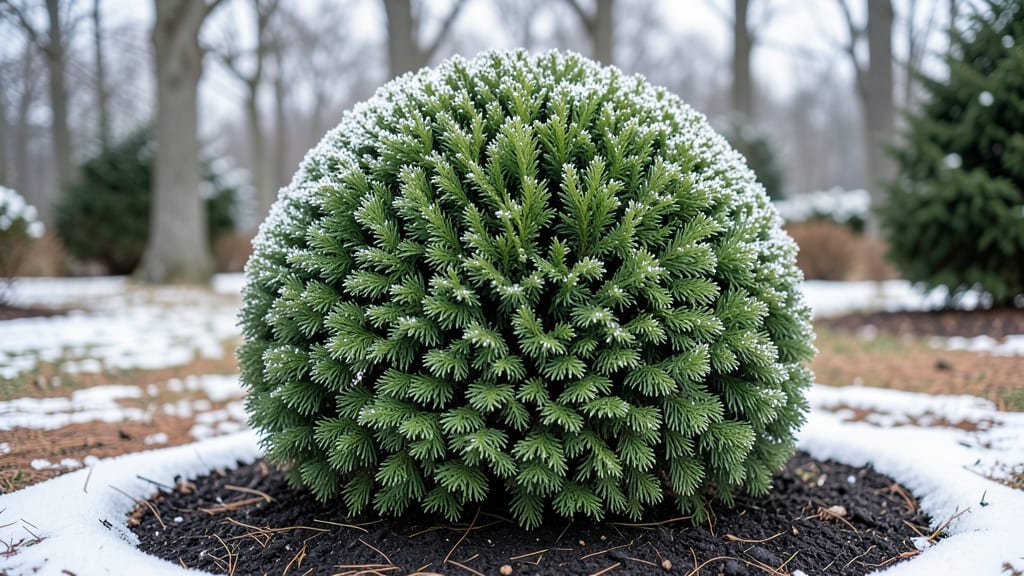
Your Mr. Bowling Ball Arborvitae stays lush all winter with just a few simple steps—no guesswork. 🌲 This compact, globe-shaped evergreen thrives in cold zones, but a little seasonal care keeps it looking like a perfectly manicured privacy screen year-round.
Start with 3 inches of mulch around the base to insulate roots from freezing soil. Skip heavy pruning in winter—just remove any broken branches or frost-damaged tips in early spring. The dense foliage handles snow well, but brush it off occasionally to prevent ice buildup that can weigh down branches.
By spring, you’ll see fresh growth at the tips, proving winter didn’t touch it. The key is consistent moisture (even in cold months) and avoiding over-fertilizing, which stresses roots. This arborvitae’s natural shape means minimal shaping—just a light trim in late winter if needed.
Works perfectly for foundation plantings, property borders, or container gardens. Here’s how to keep it thriving through every season!
📚 In This Guide
- What you need
- Instructions
- Tips and common mistakes
- Wrapping up and next steps
What you need
- ● Mr. Bowling Ball Arborvitae plants – 20–30 plants (depending on desired height and density; spacing ~3–4 feet apart). Choose Thuja occidentalis 'Mr. Bowling Ball' for its compact, globe-like shape.
- ● Shovel or spade – For digging planting holes (boring but necessary!).
- ● Garden gloves – To keep your hands happy and dirt-free.
- ● Mulch (pine bark or shredded wood) – 2–3 bags (3–4 inches thick) to retain moisture and protect roots.
- ● Slow-release fertilizer – 10–20 lbs (look for a balanced 10-10-10 or evergreen-specific formula).
- ● Watering can or hose with a gentle nozzle – Deep watering is key!
- ● Measuring tape or string & stakes – To mark planting lines and spacing.
- ○ Pruning shears – For shaping and cleanup (optional but handy for winter prep!).
- ● Erosion control fabric – If planting on a slope or windy area.
- ● Burlap or frost cloth – For extra winter protection in harsh climates.
- ● Decorative edging or rocks – To define the screen’s borders and add flair.
- ● Soil amendment (peat moss or compost) – If your soil is heavy clay or sandy.
- ● Stakes or plant ties – For young plants needing temporary support.
Step-by-step instructions for planting and maintaining Mr. bowling Ball arborvitae
This dense, rounded evergreen thrives year-round—here’s how to plant and care for it so it stays lush through every season.
🌱 Step 1: Select and Prepare the Planting Site
Choose a location with full sun to partial shade—at least 6 hours of sunlight daily for best growth. Mr. Bowling Ball arborvitae tolerates a range of soil types but thrives in well-draining, slightly acidic soil (pH 6.0-7.5). Test your soil first; if it’s heavy clay, amend with 2-3 inches of compost mixed into the top 12 inches of soil.
Dig a hole twice as wide as the root ball but only as deep. The top of the root ball should sit 1 inch above ground level—this prevents waterlogging and root rot. If planting multiple shrubs, space them 4-6 feet apart for full coverage. I always loosen the roots slightly before placing the plant in the hole to encourage outward growth.
🪴 Step 2: Plant and Water for Immediate Stability
Place the arborvitae in the hole, ensuring the root flare (where roots meet the trunk) is visible. Backfill with native soil, pressing gently to remove air pockets but avoiding compaction. Water deeply until the soil is evenly moist 6-8 inches down—this encourages roots to establish quickly. Mulch around the base with 2-3 inches of shredded bark, keeping it 6 inches away from the trunk to prevent rot.
Here’s the thing—don’t overwater in the first week. The root ball is already hydrated, and excess moisture can suffocate new roots. Instead, water every 2-3 days until new growth appears, then adjust based on rainfall. You’ll know it’s right when the soil feels damp but not soggy when you check with your finger.
☀️ Step 3: Prune for Shape and Health Year-Round
Mr. Bowling Ball arborvitae naturally grows in a rounded form, but light pruning encourages density. The best time to prune is late winter or early spring, just before new growth begins. Use clean, sharp shears to trim back overly long branches by ¼ to ½ their length, cutting just above a healthy bud. Avoid "heading back" (cutting into old wood)—this stresses the plant.
If you notice brown, brittle tips in winter, it’s likely winter burn from dry winds. Trim these back to fresh green growth in early spring. For established plants, a light shaping prune in mid-summer keeps the form tight. Real talk: Don’t prune more than 25% of the plant in one season—it weakens the shrub and invites pests.
⏰ Step 4: Winterize for Cold and Wind Protection
Arborvitae are evergreens, but their soft needles can dry out in winter winds. Apply 2-3 inches of mulch around the base in late fall to insulate roots. Water deeply before the ground freezes—this helps roots access moisture during dormancy. If your climate drops below -10°F, wrap young plants (under 3 years old) with burlap or frost cloth to shield from harsh winds, but leave the top open to prevent moisture buildup.
Watch for bagworms or spider mites in late winter—these pests thrive on stressed evergreens. Spray with neem oil if you spot webbing or yellowing needles. Mature Mr. Bowling Ball arborvitae are hardy to USDA Zone 3, but younger plants benefit from windbreaks (like a fence or other shrubs) to reduce desiccation.
🌿 Step 5: Fertilize and Monitor for Long-Term Success
Fertilize once in early spring with a slow-release, balanced fertilizer (10-10-10 or 20-20-20). Apply ½ the recommended rate for newly planted shrubs to avoid burning roots. For established plants, a layer of compost in spring provides enough nutrients. Over-fertilizing causes salt buildup, which turns needles brown—always water after applying fertilizer to rinse excess salts away.
Check for yellowing needles—this often signals iron deficiency or overwatering. If the soil is too alkaline, add chelated iron in spring. For drainage issues, amend the soil with sand or perlite and avoid planting in low spots where water pools. With proper care, your Mr. Bowling Ball arborvitae will grow 2-3 feet per year and provide year-round privacy for decades.
Tips & tricks for perfect Mr. bowling Ball arborvitae winter care
Took me years to perfect these tricks—here's how to keep your evergreen looking flawless through every winter season.
Soil Preparation Secret: The 2-3 inches of compost mixed into the top 12 inches of soil isn't just about drainage—it's about creating a microclimate that retains moisture while preventing compaction. I use a soil test kit to confirm pH 6.0-7.5 before planting, and for clay-heavy soils, I add an extra inch of compost. This creates the perfect balance for root development, especially during winter when moisture is scarce. The key is working the compost into the native soil thoroughly rather than just piling it on top.
Watering Wisdom: That first week is critical—don't overwater as the instructions say, but also don't let the soil dry out completely. I check moisture by pushing my finger 2 inches down; if it feels dry, water deeply until moisture reaches 6-8 inches down. For winter watering, I use a soaker hose to deliver water slowly at the base, which prevents needle damage from overhead watering and reduces evaporation. This method mimics natural rainfall patterns that arborvitae thrive in.
Pruning Precision: When you're trimming those overly long branches in late winter by ¼ to ½ their length, focus on cutting just above a healthy bud at a 45-degree angle. This encourages new growth while maintaining the natural rounded shape. I use sterilized pruning shears and make clean cuts to prevent tearing the bark. For winter burn repair, I wait until early spring when new growth appears before trimming back those brown tips—this gives the plant time to recover before the next winter stress.
Winter Protection Strategy: The 2-3 inches of mulch around the base isn't just decoration—it's insulation. I use shredded hardwood mulch because it breaks down slowly and adds organic matter to the soil. For young plants in climates below -10°F, I create a windbreak using burlap wrapped around the plant, leaving the top open to prevent moisture buildup. This simple barrier can make all the difference in preventing winter burn and needle desiccation during harsh winds.
Pro Tips for Mr Bowling Ball Arborvitae Winter
- Took me years to perfect these tricks—here's how to keep your evergreen looking flawless through every winter season.
- Soil Preparation Secret: The 2-3 inches of compost mixed into the top 12 inches of soil isn't just about drainage—it'...
- Watering Wisdom: That first week is critical—don't overwater as the instructions say, but also don't let the soil dry...
Frequently asked questions
Got questions about keeping your Mr. Bowling Ball Arborvitae thriving through winter? You’re not alone! Here are some of the most common concerns—and straightforward answers—to help you maintain that lush, year-round privacy screen.
How cold can Mr. Bowling Ball Arborvitae tolerate?
This hardy evergreen handles winter temperatures down to -30°F (-34°C), making it perfect for most U.S. climates. In extreme cold zones (below Zone 4), mulch the base with 3–4 inches of shredded bark or pine straw to protect roots. Avoid heavy snow loads by gently brushing off accumulation—too much weight can bend branches!
Do I need to prune arborvitae in winter?
Winter is a great time to prune, but avoid cutting back into old wood (brown stems). Focus on shaping in late winter (February–March) when the plant is dormant. Use clean, sharp shears and remove no more than ¼ of the foliage per year to keep it healthy. Pro tip: Prune after a light frost to reduce stress!
Should I water arborvitae in winter?
Unless you’re in a drought-prone area or extreme drought, arborvitae typically don’t need winter watering. However, if the ground is frozen or snow-free, a light drink every 4–6 weeks prevents root desiccation. Watch for: Crispy brown tips (overwatering) vs. dry, brittle foliage (underwatering).
Are there alternatives if my arborvitae gets winter damage?
Yes! If your Mr. Bowling Ball suffers brown tips or dieback, try these fixes:
- Fungicide spray (like copper-based) for cytospora canker.
- Soil test—arborvitae hate soggy roots. Amend clay soil with compost or sand.
- Mulch upgrade to pine straw or cedar chips (avoid dense mulch that traps moisture).
Why are my arborvitae branches turning brown in winter?
Brown branches in winter are usually normal (old growth sheds), but if it’s new growth or widespread, check for:
- Winter burn: Dry winds + sun scorch foliage. Fix: Apply anti-desiccant spray in late fall.
- Spider mites: Tiny pests thrive in dry conditions. Fix: Spray with neem oil in early spring.
- Root rot: Too much moisture. Fix: Improve drainage with gravel or raised beds.
Wrapping up and next steps
Mr. Bowling Ball Arborvitae is your ultimate winter-friendly evergreen, offering year-round privacy, texture, and resilience—even when snowflakes start falling! 🌲❄️ Whether you’re wrapping up your planting or troubleshooting winter care, this arbovitae delivers low-maintenance beauty that stands out in every season.
Ready to transform your space? Grab your gloves, pick up a few more plants (or seeds!), and get growing—your future winter sanctuary is just a season away! 🌱✨
- Next step: Check your local nursery or online retailers for Mr. Bowling Ball Arborvitae stock.
- Pro tip: Tag a friend who needs a low-fuss, high-impact privacy screen!