
Vegetables
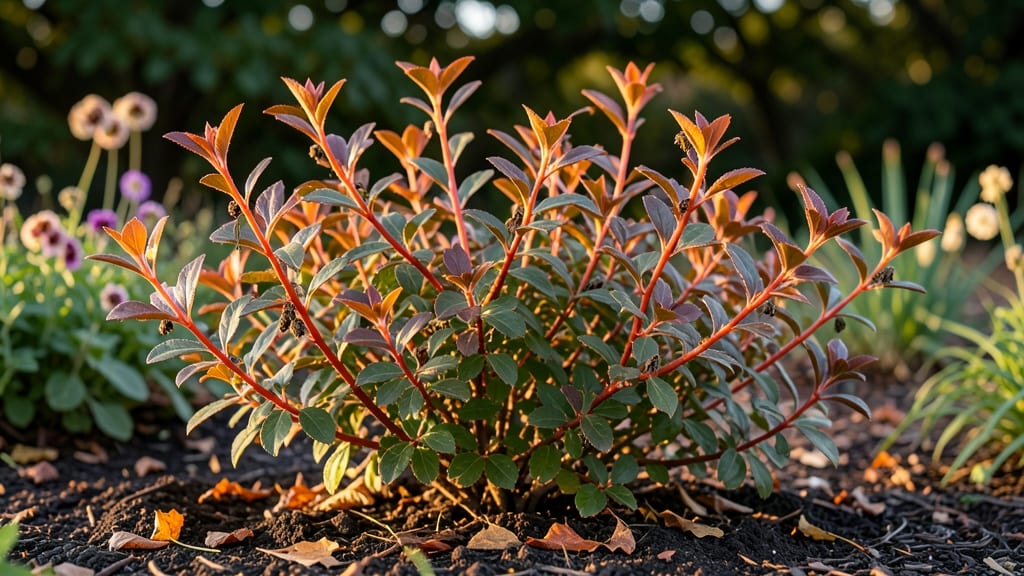
Your Orange Rocket barberry won’t just survive winter—it’ll be the star of your frosty landscape. 🌿 This cultivar thrives in cold climates, with its vibrant orange stems standing out against snow like nature’s own holiday lights. The secret? Understanding its winter habits so you can protect what makes it special.
First, know this: Orange Rocket is hardy down to -20°F, but its striking stems need protection from late-winter sun scorch. Prune in early spring to shape the plant and encourage fresh, bright new growth—never cut back more than 1/3 at once.
Mulch around the base with 2-3 inches of shredded bark to insulate roots.
By late winter, you’ll notice fresh green leaves pushing through the old stems—this is your cue to step back and let the plant recover naturally. The stems’ color fades slightly in cold snaps but always rebounds with warmth, creating that year-round visual interest gardeners love.
For extra insurance, wrap young plants in burlap during harsh freezes, but avoid heavy blankets that trap moisture. The goal? Let it breathe while staying cozy—just like you’d want on a chilly night. With these simple steps, your Orange Rocket will greet spring looking better than ever.
📚 In This Guide
- What you need
- Instructions
- Tips and common mistakes
- Wrapping up and next steps
What you need
- ● Sharp pruning shears or gardening scissors – sterilized (e.g., 70% isopropyl alcohol or bleach solution)
- ● Heavy-duty gloves – waterproof and cut-resistant (e.g., nitrile-coated)
- ● Large harvesting basket or bucket – with a lid (10–15 gallons, breathable mesh preferred)
- ● Newspaper or burlap sacks – for temporary storage (2–3 sheets per batch)
- ○ Thermometer (optional but helpful) – for checking soil/fruit temp (0–32°F range)
- ● Labeling tags & marker – waterproof (for variety tracking)
- ● Ladder or step stool – for tall shrubs (3–6 ft height)
- ● Knee pads – for comfort (gel-filled recommended)
- ● Spray bottle with water – to mist delicate berries (avoid freezing)
- ● Food-safe storage containers – for short-term preservation (glass jars or vacuum-sealed bags)
- ● Freezer-safe bags – quart-sized, with zip locks (for long-term storage)
- ● Mature Berberis vulgaris (orange rocket barberry) shrubs – 3+ years old for optimal yield.
- ● Frost-free window or cold storage space – 32–40°F ideal for post-harvest care.
- ● Knowledge of plant dormancy signs – harvest after first hard frost but before deep freeze.
How to maintain Orange Rocket barberry through winter
This cold-hardy shrub thrives in winter with the right care—here’s how to keep it vibrant and productive.
🌿 Step 1: Assess Winter Damage and Prune Strategically
Start by inspecting your Orange Rocket barberry in late winter (February) for any frost-damaged stems. These will appear brown, brittle, or mushy at the tips. Use clean, sharp pruning shears to remove only the dead portions—never cut into healthy green tissue. This ensures the plant retains its energy for spring regrowth.
For a more precise approach, look for buds that are still firm and plump—these indicate life. Cut just above the first healthy bud you find, angled slightly away from the bud to prevent water pooling. Avoid heavy pruning now; barberries respond better to gradual shaping in early spring.
✂️ Step 2: Apply a Protective Mulch Layer
Spread 2-3 inches of organic mulch (like shredded bark or wood chips) around the base of the plant, keeping it 6 inches away from the stem. This insulates the roots from extreme temperature fluctuations and retains soil moisture during winter thaw cycles. Avoid piling mulch directly against the trunk, as this can trap moisture and invite rot.
For added protection in harsh climates, top the mulch with a light layer of evergreen boughs (like pine or spruce) to shield the plant from windburn. Remove these boughs in early spring once new growth appears. This method mimics the natural snow cover that protects wild berry plants.
☀️ Step 3: Monitor for Winter Sun and Wind Stress
Barberries can suffer from winter desiccation when exposed to bright winter sun and dry winds. If your plant is in a sunny, windy location, consider temporarily covering it with frost cloth during the coldest months (December–February). Secure the fabric loosely to allow airflow but block harsh elements.
Check the plant’s leaf buds weekly—if they appear dry or crispy, it’s a sign of winter burn. A light misting with water (if temperatures are above freezing) can help, but avoid overwatering. The goal is to keep the plant hydrated enough to survive dormancy without encouraging rot.
💧 Step 4: Adjust Watering for Dormant Season Needs
Reduce watering significantly in winter, but don’t let the soil dry out completely. Water deeply every 3-4 weeks if the ground isn’t frozen, focusing on the root zone. Use a soil probe or your finger to check moisture—if the top 2 inches of soil feel dry, it’s time to water. Overwatering now can lead to root suffocation or fungal issues.
If your area experiences freeze-thaw cycles, water just before a predicted thaw to help the plant absorb moisture before the ground refreezes. This prevents root dehydration during temperature swings. Avoid wetting the foliage, as ice buildup can damage tender new growth.
🌱 Step 5: Plan for Early Spring Stimulation
In late winter (February–March), apply a slow-release fertilizer (like 10-10-10) around the drip line of the plant. This gives the barberry a nutrient boost as it prepares to break dormancy. Water the area lightly after applying to help the granules settle into the soil.
Watch for swollen buds—this is your cue that the plant is waking up. Once you see green tips emerging, remove any remaining winter protection (like frost cloth or boughs) to allow sunlight to reach the new growth. This transition period is critical for setting the stage for a healthy spring flush.
Tips & tricks for perfect Orange Rocket barberry winter care
Winterizing your Orange Rocket barberry isn't just about survival—it's about setting the stage for a vibrant spring. Here's how to avoid common mistakes and maximize your plant's resilience.
Pruning Precision: When assessing damage in Step 1, focus on the color transition at stem tips—healthy tissue will be green just below the brown. I learned this the hard way after cutting into viable buds, which set back my plant's recovery by weeks. Always cut at a 45-degree angle just above a healthy bud to promote faster regrowth. This simple technique prevents unsightly stubs and encourages stronger new shoots.
Mulch Layer Strategy: The 2-3 inch mulch layer in Step 2 works wonders, but placement matters just as much as depth. I recommend using a flat, wide shovel to create a gentle slope away from the stem—this prevents water pooling during thaw cycles. For extra insulation in extreme climates, consider adding a thin layer of straw over the wood chips before applying evergreen boughs. This double-layer system mimics natural forest floor conditions that protect wild barberries.
Winter Hydration Hack: The 3-4 week watering guideline in Step 4 is perfect, but timing is everything. I've found that watering in the late afternoon gives roots time to absorb moisture before evening temperatures drop. Use a rain gauge or tuna can to measure exactly 1 inch of water per session—this prevents both underwatering and the root suffocation that comes from overzealous watering. The key is maintaining consistent moisture without creating soggy conditions.
Spring Transition Cue: Watching for swollen buds in Step 5 is your best indicator, but I've added one extra visual check: gently press a bud between your fingernail and thumb. If it feels firm with a slight give (like a ripe peach), it's ready for spring. This tactile test helps distinguish between dormant buds and those that might still need a bit more winter protection. Remove all winter coverings once you see these green tips—sunlight is crucial for photosynthesis to kick in.
Pro Tips for Orange Rocket Barberry In Winter
- Winterizing your Orange Rocket barberry isn't just about survival—it's about setting the stage for a vibrant spring.
- Pruning Precision: When assessing damage in Step 1, focus on the color transition at stem tips—healthy tissue will be green just below the brown.
- Mulch Layer Strategy: The 2-3 inch mulch layer in Step 2 works wonders, but placement matters just as much as depth.
Frequently asked questions
Got questions about keeping your orange rocket barberries thriving in winter?
You’re not alone! Here are some of the most common queries—plus quick, actionable answers to keep your harvest on track.
When is the best time to harvest barberries in winter?
Harvest orange rocket barberries when the berries are fully colored but still firm—typically late winter to early spring (February–March in most climates). Avoid harvesting after hard frosts, as the berries may soften or lose flavor. Pro tip: Pick on dry mornings to prevent mold.
Can barberries survive heavy frost or snow?
Yes! Orange rocket barberries are hardy perennials (USDA Zones 5–9) and tolerate light frost. Heavy snow can bend stems, but the plants usually bounce back. Pro tip: Gently brush off snow to prevent stem breakage, and mulch heavily in extreme cold.
What’s the best way to store harvested barberries?
Store berries in a single layer on a tray in the fridge (up to 2 weeks) or freeze them in airtight bags (up to 6 months). For longer storage, dry them at 135°F (57°C) for 8–12 hours—perfect for winter baking! Pro tip: Avoid washing until ready to use to prevent spoilage.
Why are my barberries not producing in winter?
Winter dormancy is normal, but poor production could stem from over-pruning, nutrient deficiencies (like iron or zinc), or lack of sunlight. Feed with compost in early spring and prune lightly in late winter to encourage new growth. Pro tip: Test soil pH—barberries thrive in slightly acidic soil (pH 6.0–7.0).
Are there winter-hardy alternatives to barberries?
If barberries aren’t your style, try winterberry holly (Zones 3–9), juniper berries (Zones 3–8), or aronia berries (Zones 3–8). All are frost-tolerant and offer bold flavors. Pro tip: Aronia berries are super nutrient-dense—great for smoothies!
Wrapping up and next steps
Harvesting orange rocket barberries in winter isn’t just possible—it’s a rewarding way to enjoy fresh, frost-tender flavors when most gardens are dormant. With the right tools, timing, and a little patience, you can turn your winter garden into a bounty of zesty, nutrient-packed greens.
Whether you’re a seasoned gardener or a curious beginner, these secrets make winter harvesting effortless and exciting!
Ready to try? Start small—plant a few barberries in a sunny spot this fall and experiment with the techniques shared here. Before you know it, you’ll be savoring homegrown barberries in salads, teas, or sauces, all while basking in the joy of a year-round harvest. 🌱✨