
Vegetables
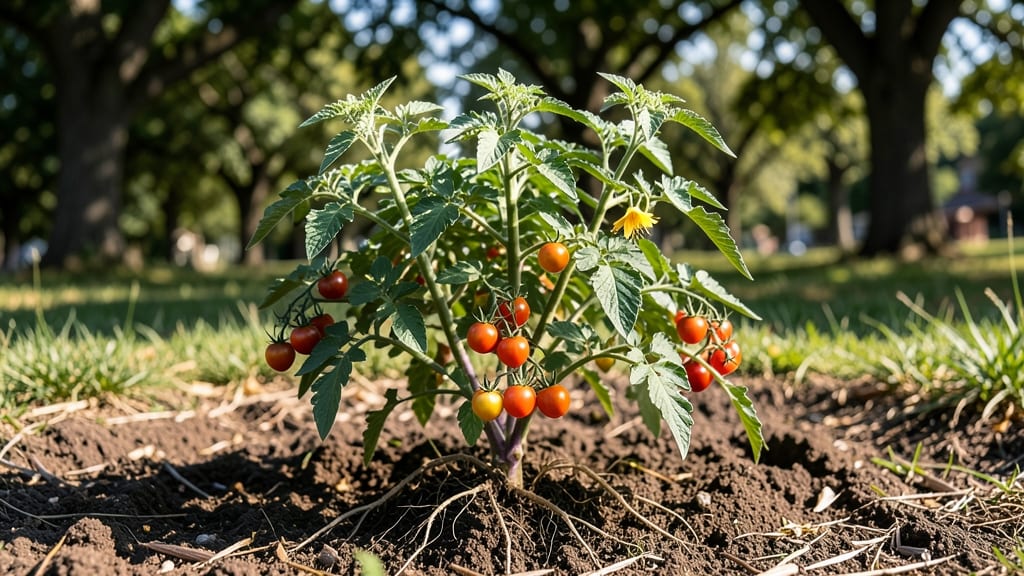
Growing Oregon cherry tomatoes means year-round harvests even in chilly climates—something I never thought possible until I tried these cold-hardy perennials myself. 🌱 These tiny red jewels thrive where regular tomatoes would freeze, producing sweet, prolific fruit from spring through fall (and sometimes winter with protection).
The key? Planting them right the first time, because once established, they’ll reward you with minimal effort for years.
Start with well-draining soil mixed with compost—Oregon cherries hate soggy roots—and choose a spot with at least 6 hours of sun daily. In cooler zones, plant them in late spring after the last frost, spacing vines 18-24 inches apart to give them room to sprawl.
Mulch heavily in winter to protect roots from freeze-thaw cycles, and you’ll see new growth as soon as temperatures rise above 50°F. The first flush of flowers arrives early, so be ready to hand-pollinate if bees are scarce.
Pruning isn’t just about shaping—it’s about maximizing fruit production. Pinch back suckers (those little shoots between the main stem and branches) to focus energy on existing fruit, and remove any leaves touching the soil to prevent disease.
Water deeply once a week (more in summer heat), always at the base to avoid wetting foliage. With proper care, you’ll harvest pint-sized tomatoes every 2-3 weeks, perfect for snacking straight off the vine or turning into sauces.
These plants are tough but not invincible—watch for aphids and early blight, especially in humid summers. Companion planting with basil or marigolds deters pests naturally, and a light dusting of sulfur early in the season prevents fungal issues.
The best part? After their first year, they’ll return bigger and stronger, proving that perennial tomatoes aren’t just a dream—they’re a reality in even the coolest climates.
📚 In This Guide
- What you need
- Instructions
- Tips and common mistakes
- Wrapping up and next steps
What you need
- ● Seeds or Seedlings: Oregon cherry tomato seeds (e.g., 'Oregon Spring' or 'Oregon Trail') or disease-resistant seedlings. Quantity: 3–5 plants per person (or 1 plant per 2 sq ft in containers).
- ● Well-Draining Soil: Mix of 60% potting soil, 30% compost, and 10% perlite/sand for containers. For in-ground: Amend native soil with 2–3 inches of compost.
- ○ Containers (Optional but Recommended): 5–7 gallon pots with drainage holes (1 plant per container) or raised beds (minimum 12" deep).
- ● Fertilizer: Balanced organic fertilizer (e.g., 5-5-5 or fish emulsion) or slow-release granules (1 tbsp per plant at planting).
- ● Mulch: Straw or shredded leaves (2–3 inches thick) to retain moisture and protect roots.
- ● Gloves & Hand Trowel (for delicate handling of seedlings).
- ● Pruners or Scissors (for trimming suckers and shaping plants).
- ● Watering Can or Drip Irrigation (consistent moisture is key!).
- ○ Support System (Optional but Helpful): Cages (5–6 ft tall) or stakes (6 ft bamboo/wooden).
- ● Twine or soft plant ties (to secure vines).
- ● Cold Frame or Row Covers (for extending the season in Zones 3–6).
- ● pH Test Kit (ideal soil pH: 6.0–6.8).
- ● Epsom salt (1 tbsp per gallon of water) for magnesium boosts.
- ● Compost tea for foliar feeding.
- ● Reflective mulch (e.g., silver plastic) to deter pests.
Step-by-step guide to growing Oregon cherry tomatoes as cold-hardy perennials
Here's how to establish these resilient plants for multiple harvest seasons in your climate.
🌱 Step 1: Select and Prepare the Planting Site
Choose a location with full sun exposure (6-8 hours daily) and well-draining soil. Oregon cherry tomatoes thrive in slightly acidic to neutral soil with a pH between 6.0 and 6.8. Test your soil first—amend with compost if needed to improve structure and fertility. These perennials need at least 3 feet of space between plants to develop properly without crowding.
Dig a hole twice as wide as the root ball but no deeper. Loosen the surrounding soil with a garden fork to encourage root penetration. Here's the thing—Oregon cherries are cold-hardy, but their roots still need protection from winter moisture. If your area gets heavy rainfall, consider planting on a slight mound to prevent waterlogging.
🪴 Step 2: Plant Bare-Root or Container-Grown Starts
For bare-root plants, soak the roots in lukewarm water for 30 minutes before planting to revive them. Position the plant so the graft union (visible as a slight swelling near the base) sits 1-2 inches below soil level. This ensures stability and prevents stem rot. Fill the hole with soil, pressing gently to eliminate air pockets while keeping roots undisturbed.
If using container-grown starts, remove the plant from its pot and loosen any circling roots. The top of the root ball should sit level with the surrounding soil surface. Water deeply immediately after planting to settle the soil and eliminate air gaps. You'll see new growth within 7-10 days if conditions are right—that's your signal everything is working.
☀️ Step 3: Establish Support and Mulch System
Install a sturdy trellis or cage system immediately after planting. Oregon cherry tomatoes grow vigorously and need support to prevent sprawling. Use 4-foot tall stakes or wire cages positioned at planting time to avoid damaging emerging roots later. Tie stems gently with soft plant ties as they grow—never use wire or anything that can cut into the stem.
Apply a 3-inch layer of organic mulch around the base, keeping it 2 inches away from the stem to prevent rot. I recommend straw or shredded leaves because they break down slowly, feeding the soil while suppressing weeds. This mulch layer also protects roots from temperature fluctuations, which is crucial for perennial survival in colder climates.
💧 Step 4: Water and Fertilize for Perennial Success
Water deeply 2-3 times per week during the first growing season, providing 1-1.5 gallons per plant each time. The goal is to moisten the soil to a depth of 12 inches. You'll know you've watered enough when the top inch of soil feels damp but not soggy. Overwatering is the fastest way to kill these plants—especially in winter when growth slows.
Feed plants with a balanced organic fertilizer (10-10-10) at half-strength every 4-6 weeks during the growing season. Stop fertilizing 6 weeks before first frost to allow the plant to harden off naturally. In late fall, apply a 2-inch layer of compost around the base to replenish nutrients for next year's growth.
✂️ Step 5: Prune and Prepare for Winter Dormancy
When the first frost arrives, prune back all foliage to 6 inches above ground level. This prevents disease overwintering in dead leaves while allowing the root system to remain active. Remove any remaining fruit clusters—though they won't ripen, they can attract pests that will target next year's growth.
In late winter (just before new growth appears), apply a 4-inch layer of straw mulch over the planting area. This insulation protects roots from freezing temperatures while allowing air circulation. You'll see new shoots emerge in early spring—these are your signals to gradually remove the winter mulch and resume regular care.
Tips & tricks for perfect Oregon cherry tomato perennials
These practical insights will help you maximize your cold-hardy tomato harvest for years to come—without the common pitfalls that trip up new gardeners.
Sunlight Strategy: The 6-8 hours of daily sunlight is non-negotiable, but here's the thing—morning sun (especially between 8 AM-12 PM) is more valuable than afternoon sun in cooler climates. Position your plants to catch those warm morning rays first. If your garden has afternoon shade, consider a reflective surface like white gravel or a light-colored wall to bounce extra light onto the plants during peak growing hours.
Root Revival Technique: That 30-minute lukewarm water soak for bare-root plants isn't just about hydration—it's about waking up dormant root cells. I've seen plants that looked completely limp come back to life after this step. Pro tip: Add a pinch of seaweed fertilizer to the soaking water for an extra nutrient boost that helps roots establish faster. The water should be warm enough to feel comfortable to your hand, not scalding.
Support System: The 4-foot tall stakes or cages might seem tall, but trust me on this—Oregon cherry tomatoes grow aggressively and can easily reach 6 feet if given the chance. Install your supports immediately after planting to avoid damaging emerging roots later. For extra stability, especially in windy areas, use two stakes per plant positioned at opposite corners of the planting hole and tie the cage or trellis to both.
Winter Protection: That 4-inch layer of straw mulch in late winter is your plant's winter blanket, but here's what nobody tells you—it's not just about insulation. The air pockets in straw mulch actually help regulate soil temperature, preventing dangerous temperature swings that can shock roots. In particularly cold areas, add a layer of bubble wrap or cardboard under the straw for extra protection without compacting the soil.
Pro Tips for Oregon Cherry Tomato
- These practical insights will help you maximize your cold-hardy tomato harvest for years to come—without the common p...
- Sunlight Strategy: The 6-8 hours of daily sunlight is non-negotiable, but here's the thing—morning sun (especially be...
- Root Revival Technique: That 30-minute lukewarm water soak for bare-root plants isn't just about hydration—it's about...
Frequently asked questions
Got questions about growing Oregon cherry tomatoes?
You’re not alone! Here are answers to the most common queries—from planting to harvest—so you can enjoy these cold-hardy gems year-round.
Are Oregon cherry tomatoes truly perennial, or do they die back in winter?
Yes, they’re semi-perennial! While the tops may die back in frost, the roots survive in USDA zones 5-9. In milder winters (zones 7-9), they’ll regrow in spring. In colder zones, mulch heavily (straw or leaves) to protect roots and replant from cuttings or seeds each year.
How long does it take for Oregon cherry tomatoes to bear fruit after planting?
Expect 60-90 days from transplanting to first harvest, depending on warmth and sunlight. In spring, they may take longer to mature than summer plantings. For faster results, start seeds indoors 6-8 weeks before the last frost or buy young plants from nurseries specializing in cold-hardy varieties.
Can I grow Oregon cherry tomatoes in containers, or do they need a garden bed?
They thrive in 5-gallon containers or larger, with well-draining soil and stakes for support. Use a mix of potting soil and compost, and place pots in full sun (6+ hours/day). Container-grown plants may produce slightly smaller yields but are perfect for patios, balconies, or urban gardens.
What pests or diseases should I watch for with Oregon cherry tomatoes?
Common issues include:
- Blossom end rot: Caused by calcium deficiency (fix with crushed eggshells or calcium spray).
- Aphids/spider mites: Spray with neem oil or introduce ladybugs.
- Fungal diseases (early blight): Improve airflow, avoid overhead watering, and use copper fungicide if needed.
Good news: Their cold-hardiness makes them less prone to many garden pests compared to traditional tomatoes!
Can I save seeds from Oregon cherry tomatoes for next year?
Yes! Let a few tomatoes fully ripen on the vine, scoop out the seeds with gel, ferment them in water for 2-3 days (to kill contaminants), then dry on a paper towel. Store in a cool, dark place. Oregon cherry tomatoes are open-pollinated, so saved seeds will grow true to type.
How do I overwinter Oregon cherry tomatoes in cold climates?
In zones 5-6, cut back vines to 6 inches in fall, mulch heavily (12+ inches), and cover with row fabric or a cold frame. In zones 4 or colder, dig up roots, trim, and pot them in a garage or unheated greenhouse. Replant outdoors after last frost. Pro tip: Prune aggressively in early spring to encourage bushier regrowth!
Wrapping up and next steps
Growing Oregon cherry tomatoes is a rewarding journey that brings vibrant flavors and year-round harvests to your table—even in colder climates! 🌱 Whether you're a seasoned gardener or just starting, these cold-hardy perennials prove that fresh, homegrown produce is always within reach.
With the right setup and care, you’ll enjoy juicy, sweet tomatoes that outshine store-bought varieties.
Ready to take the next step? Start small—plant a few vines in containers or your garden this season—and watch your confidence (and harvest!) grow. Soon, you’ll be sharing your bounty with friends or even expanding your garden. Happy growing! 🍅✨