
Vegetables
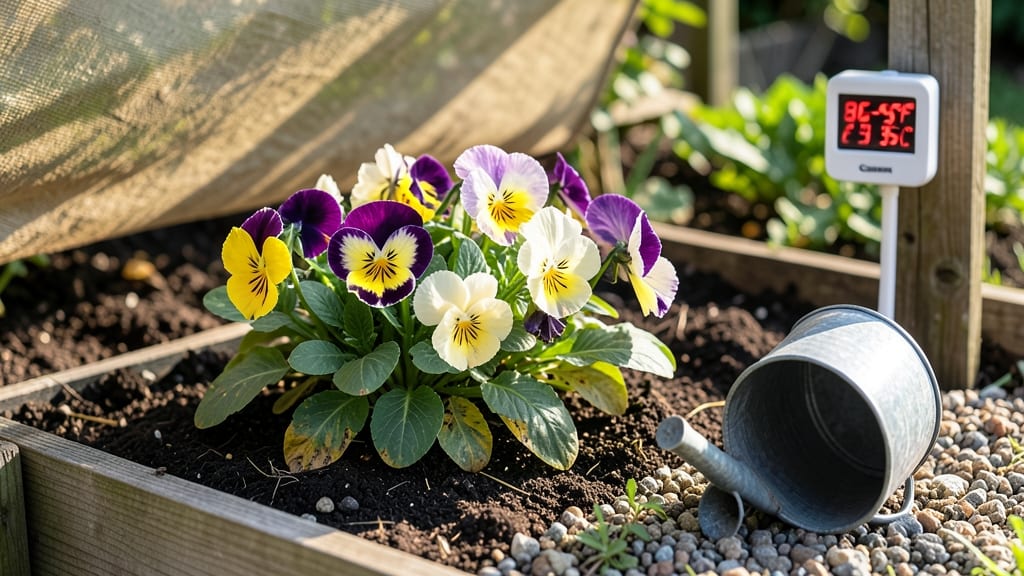
Pansies’ heat tolerance melts faster than ice cream in July—unless you know their secret heat hacks. 🌿 I’ve watched these cool-weather darlings wilt into sad, droopy shadows when temperatures climb, but with the right tricks, they’ll bounce back stronger than ever.
The key isn’t avoiding heat (though shade helps) but understanding how to keep them cool, hydrated, and happy when the sun blazes.
Start by choosing heat-tolerant varieties like ‘Matrix’ or ‘Majestic Giant’—they handle 80°F better than classic pansies. Mulch heavily with straw or wood chips to keep roots cool, and water deeply at dawn to prevent evaporation.
Avoid overhead sprinklers (they scorch leaves), and prune spent blooms to redirect energy into survival mode. Even in sweltering zones, pansies can last weeks longer with these tweaks.
Watch for yellowing leaves or drooping petals—classic heat stress signs. Move pots to shadier spots immediately, and trim back foliage to improve airflow. With consistent care, your pansies won’t just survive summer; they’ll reward you with bold, vibrant blooms even when the mercury rises.
The secret? Treat them like delicate divas who need extra TLC when the weather turns fierce.
For extreme heat (90°F+), swap pansies for heat-loving annuals like zinnias or marigolds—though pansies can make a comeback in fall. The goal isn’t perfection; it’s buying time until cooler weather returns. Your garden will thank you with lush, resilient plants that outlast the heatwave.
📚 In This Guide
- What you need
- Instructions
- Tips and common mistakes
- Wrapping up and next steps
What you need
- ● Pansies: Heat-tolerant varieties like Viola × wittrockiana (e.g., 'Cool Wave,' 'Matrix') – 5-10 plants (depending on garden size).
- ● Well-draining potting mix: 5-10 gallons (look for a blend with 30-40% perlite or vermiculite to improve aeration).
- ● Containers or raised beds: 1-2 per plant (if not planting directly in the ground), with drainage holes and 12-18" depth.
- ● Mulch: 2-3 inches of organic mulch (straw, shredded bark, or pine needles) to retain moisture.
- ● Drip irrigation or soaker hoses: 1-2 feet per plant for targeted watering (avoids wetting leaves).
- ● Shade cloth: 30-50% shade coverage (if temps exceed 85°F/29°C), 4x6 ft sections per plant group.
- ● Balanced liquid fertilizer: 10-10-10 or 20-20-20 (diluted to ½ strength), 1 gallon per 10 sq ft.
- ● Heat-reflective paint: White or light-colored paint for container exteriors to deflect sunlight.
- ● Fan or misting system: For extreme heat (place near plants to improve airflow).
- ● Epsom salt: 1 tbsp per gallon of water (monthly spray for magnesium boost).
- ● Compost tea: 1 quart per plant (biweekly) to strengthen roots.
How to protect pansies when temperatures rise
Here’s how I keep pansies thriving even when summer heat rolls in—no wilting or bolting in sight.
🌿 Step 1: Identify Heat-Sensitive Varieties and Plant Strategically
Not all pansies handle heat the same way. Viola tricolor and Viola cornuta (Johnny jump-ups) tolerate warmth better than classic pansy hybrids, which often bolt or fade in 75°F+ conditions. If you’re growing heat-sensitive varieties, plant them in partial shade—morning sun with afternoon relief works best.
I always place pansies where they get 3-4 hours of morning sunlight and dappled shade the rest of the day. A north-facing bed or under a 50% shade cloth keeps foliage cooler. Watch for leaves curling or yellowing—those are the first signs your pansies are overheating.
☀️ Step 2: Adjust Watering for Extreme Heat
Pansies need consistent moisture but hate soggy roots. In 80°F+ weather, I water early in the morning—before 8 AM—to let soil dry slightly before evening. Use a soaker hose or drip irrigation to keep water at the roots, not the leaves, which reduces fungal risks.
Here’s the trick: Water until the top 1-2 inches of soil feel damp—not drenched. You’ll know it’s right when the soil looks dark and moist but not glistening. Overwatering in heat causes root rot, while underwatering leads to crispy edges. I check soil moisture by sticking my finger in—if it’s dry past my first knuckle, it’s time to water.
🪴 Step 3: Provide Mulch and Temporary Shade
A 2-3 inch layer of mulch (straw or shredded bark) keeps roots cool and retains moisture. I apply it right after planting or when temperatures hit 70°F+. Mulch also blocks weeds that compete for water, which pansies despise in summer heat.
For extra protection, I use lightweight shade cloth (30-40%) over pansies during the hottest afternoon hours—usually 12 PM to 4 PM. You’ll see the difference immediately: leaves stay plump and green instead of wilting. Remove the cloth by late afternoon to let them enjoy natural light for evening recovery.
✂️ Step 4: Prune and Deadhead for Heat Resilience
Deadheading spent blooms prevents seed production, which drains energy pansies need to survive heat stress. I snip off faded flowers with clean bypass pruners, cutting just above the next set of leaves. This encourages new growth and keeps plants looking fresh.
If pansies start looking leggy or crowded, I give them a light trim—cutting back overgrown stems by one-third encourages bushier, more heat-tolerant foliage. Avoid heavy pruning in peak heat, though; wait until temperatures drop below 85°F to avoid shocking the plant.
⏰ Step 5: Monitor and Adjust as Conditions Change
Heat waves bring surprises. If temperatures spike above 90°F, move potted pansies to a shadier spot or bring them indoors (a cool garage or basement works). You’ll know they’re struggling if leaves turn yellow or stems soften—this means immediate action is needed.
I also watch for pests like aphids, which thrive in hot, dry conditions. A neem oil spray applied in the evening keeps them at bay without harming the pansies. By late summer, I start planning for fall replanting—pansies actually prefer cooler weather and bloom best when days shorten.
Tips & tricks for perfect pansy heat protection
Here's what I've learned after years of keeping pansies thriving through scorching summers—these tricks make all the difference between wilting disappointment and vibrant blooms.
Variety Selection: When planting in hot climates, prioritize Viola tricolor and Viola cornuta varieties—they're the heat champions of the pansy world. For classic hybrids, I recommend planting them in partial shade with afternoon protection. The difference in resilience is night and day once temperatures hit 75°F+. I've seen heat-sensitive varieties bolt within days of exposure, while these tougher types keep blooming for weeks.
Soil Temperature Matters: The 70°F+ soil temperature threshold is critical—below this, pansies handle heat better. I always check soil temperature with a probe before planting in summer. If it's above 75°F, I delay planting until evening when the ground cools slightly. Mulching with straw immediately after planting helps moderate soil temperature fluctuations by keeping roots in that sweet 65-70°F range.
Watering Precision: The 8 AM watering deadline isn't arbitrary—it gives soil time to dry slightly before evening. I set a timer on my phone to remind me, because once temperatures hit 80°F+, pansies can't recover from nighttime moisture stress. For container pansies, I water every morning regardless of soil moisture—pots dry out much faster than in-ground plantings. The key is keeping that top 1-2 inches consistently damp without waterlogging.
Shade Strategy: That 12 PM to 4 PM shade cloth window is golden for heat protection. I've tested different percentages and found 30-40% gives enough relief without starving the plants. The trick is removing it by late afternoon—pansies need those evening light hours to recharge. For extreme heat waves above 90°F, I extend shade until 5 PM and move containers to shaded areas completely. This two-phase approach prevents shock from sudden light exposure.
Pro Tips for Pansies Heat Tolerance
- Here's what I've learned after years of keeping pansies thriving through scorching summers—these tricks make all the ...
- Variety Selection: When planting in hot climates, prioritize Viola tricolor and Viola cornuta varieties—they're the h...
- Soil Temperature Matters: The 70°F+ soil temperature threshold is critical—below this, pansies handle heat better. I ...
Frequently asked questions
Got questions about keeping pansies thriving in the heat?
You’re not alone! Here are answers to the most common concerns gardeners face when summer rolls in.
Can pansies survive extreme heat (like 90°F+)?
Pansies are not heat-loving plants—they thrive in cooler temps (50–75°F). Above 80°F, they’ll bolt (flower prematurely) or wilt. If you’re in a hot zone, opt for heat-tolerant alternatives like snapdragons or zinnias or grow pansies in partial shade with afternoon shade.
How do I protect pansies from heat stress?
Start with mulching (straw or shredded leaves) to retain moisture. Water deeply in the morning (never overhead) and avoid fertilizing during heatwaves. A lightweight shade cloth (30–50%) can buy them time, too!
When is the best time to plant pansies for heat resilience?
Plant pansies in early spring or fall (before summer hits). If you must plant in summer, choose heat-tolerant varieties like ‘Matrix’ or ‘Cool Wave’ and keep them in containers for easier temperature control.
What can I do if my pansies are already struggling in the heat?
Trim wilted leaves to redirect energy, move pots to shadier spots, and never let soil dry out. If roots are exposed, cover them with mulch. Sadly, severe heat damage may mean replacing them—save seeds for next season!
Are there any heat-tolerant pansy-like flowers?
Yes! Try violas (pansies’ cousins) or heat-resistant annuals like:
- Calendulas – Drought-tolerant and sunny
- Marigolds – Thrive in full sun
- Portulaca (Moss Rose) – Loves heat and drought
Wrapping up and next steps
Pansies may not be the first plant that comes to mind for scorching summers, but with the right strategies, they can thrive even in warmer climates! 🌿 The key lies in shade, hydration, and timing—prioritizing afternoon shade, mulching for moisture retention, and choosing heat-tolerant varieties like 'Matrix' or 'Cool Wave'.
Remember, pansies are resilient; they just need a little extra TLC to beat the heat.
Ready to give your pansies a fighting chance? Start by auditing your garden’s shade options or experimenting with container gardening for better control. Happy planting—and may your pansies bloom beautifully, no matter the temperature! 🌞💐