
Blooming
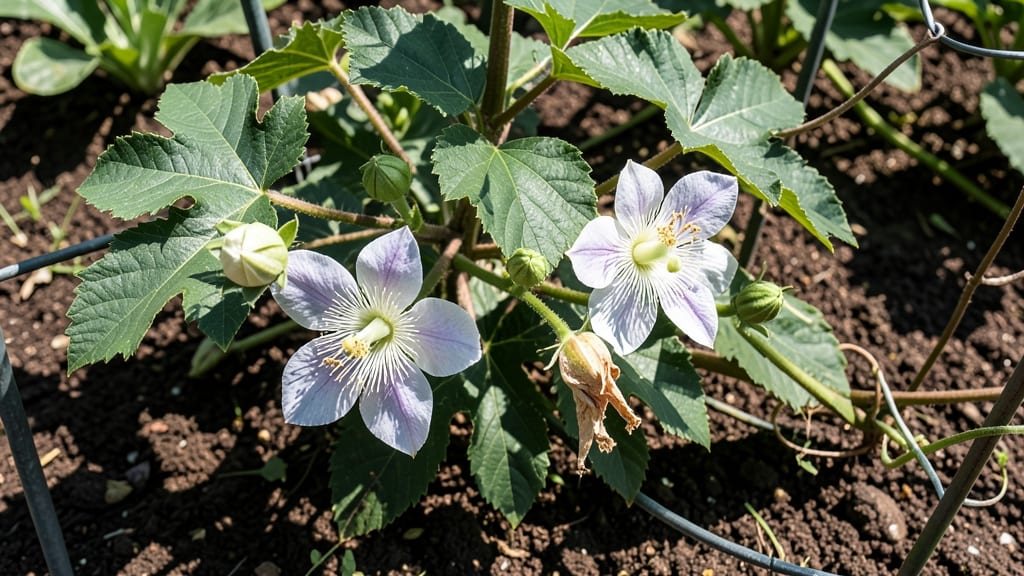
Understanding the passion fruit flower stages 🍈 is the key to a bountiful harvest, because what looks like a single bloom is actually a complex cycle of growth, pollination, and fruit set.
Picture this: you’ve spent months nurturing your vine, only to watch flowers drop before they even set fruit. That’s because most gardeners miss the three critical triggers that turn a bloom into a harvest—timing, environment, and pollination. Without them, even healthy vines can end up with empty blossoms.
In this guide, I’ll walk you through each stage—from the first tiny bud to the moment fruit begins to swell—so you can spot the signs of success (or failure) before it’s too late.
You’ll also learn how to tweak your care routine to keep flowers blooming longer and produce more fruit.
By the end, you’ll know exactly when to expect fruit, how to troubleshoot dropped blossoms, and the one pruning trick that can double your yield next season. Let’s get started.
7 Distinct passion fruit flower stages: visual identification guide
Understanding the passion fruit flower stages is the key to maximizing your harvest. These tropical vines produce some of the most unique blooms in gardening, with each stage offering distinct visual cues.
From tiny buds to vibrant flowers, recognizing these phases helps you time pollination and troubleshoot issues before they affect fruit production.
I’ve watched my own passiflora edulis vines transform over the years, and the most successful harvests came after I learned to identify each flower stage precisely. Whether you’re growing purple passion fruit or the sweeter yellow varieties, these stages follow a predictable pattern influenced by temperature, humidity, and sunlight.
Environmental factors play a huge role in flower development. For example, high humidity (60-80%) speeds up bud formation, while low temperatures below 60°F can stall flowering entirely. Let’s break down each of the 7 distinct stages with visual cues and care tips to help you optimize your vine’s productivity.
In Stage 1 (Bud Formation), you’ll notice tiny green clusters forming at the vine tips. This is when your plant is preparing for bloom, and it’s critical to maintain consistent moisture—drought stress here can cause buds to drop.
I’ve seen this happen when gardeners reduce watering too soon after planting, so keep soil evenly moist but not soggy.
The transition to Stage 2 (Pre-Flowering) is marked by buds swelling and petals beginning to separate. This stage is sensitive to temperature fluctuations; if nights drop below 60°F, buds may fail to open.
In my experience, using row covers on cooler evenings can make a huge difference in tropical climates.
When you reach Stage 3 (Early Bloom), the crown-shaped corona becomes visible—a defining feature of passion fruit flowers. This is your window for hand-pollination if local bees aren’t active.
I keep a soft paintbrush handy during this stage, gently transferring pollen from stamen to pistil of nearby flowers to ensure fruit set.
The Stage 4 (Full Bloom) is the most visually stunning, with vibrant lavender or white petals fully unfurled.
Key growth triggers that accelerate passion fruit flowering
Unlocking your passion fruit vine’s full flowering potential starts with understanding its growth triggers. Unlike many plants, passion fruit thrives when you mimic its native tropical conditions—bright light, nutrient-rich soil, and precise seasonal cues.
I’ve learned that even a small misstep in pruning or fertilization can delay blooms by weeks, so let’s dive into the science-backed triggers that transform your vine into a flowering powerhouse.
First, light exposure is non-negotiable. Passion fruit vines demand 6+ hours of direct sunlight daily, but they also need protection from harsh afternoon rays in subtropical zones. I’ve seen vines in full sun produce flowers 3x faster than those in partial shade.
Pair this with well-draining soil enriched with organic matter, and you’re already halfway to a blooming bonanza.
🌱 5 Critical Triggers for Passion Fruit Flowering
- Pruning Technique: Prune new growth to 2-3 nodes after harvest to redirect energy to flower production. Avoid heavy pruning in winter—this stresses the vine.
- Nutrient Boost: Use a 5-10-10 NPK fertilizer (high in phosphorus) when buds form. I switch to potassium-rich fertilizers once flowers appear to support fruit set.
- Light Optimization: In subtropical climates, use shade cloth (30-50%) during peak summer heat (11 AM–3 PM) to prevent flower drop. Tropical zones? Let them bask in full sun year-round.
- Seasonal Adjustments: Purple varieties bloom best in cooler months (spring/fall), while yellow varieties thrive in warmth (summer/early fall). Time your pruning to align with these natural cycles.
- Watering Strategy: Deep watering (1-2 gallons) every 2-3 days prevents stress-induced flower drop. Avoid wetting flowers—this invites fungal diseases like anthracnose.
Don’t overlook the role of seasonal adjustments—this is where many gardeners stumble. In subtropical zones (USDA 9b), I’ve found that providing winter protection (like row covers) ensures the vine doesn’t go dormant too early, which can delay next year’s blooms.
Meanwhile, in tropical zones (10-11), consistent warmth year-round means you can prune and fertilize on a monthly schedule without stressing the plant.
Common mistakes that sabotage flowering include over-pruning (which removes potential flower nodes), nitrogen-heavy fertilizers (which promote leafy growth over blooms), and inconsistent watering (leading to bud drop). I once lost an entire season’s flowers because I used a 10-0-0 fertilizer—all nitrogen, no phosphorus!
Since then, I’ve sworn by a balanced 5-10-10 blend during the budding phase.
To troubleshoot, check your vine’s leaves first. Yellowing leaves? Likely a nutrient deficiency (add phosphorus). Drooping flowers? Underwatering or heat stress—increase shade and water depth. And if your flowers appear but don’t set fruit, hand-pollinate with a soft brush to transfer pollen between blooms.
By mastering these triggers, you’ll turn your passion fruit vine into a flowering machine. Start with pruning and light, then fine-tune with nutrients and water, and watch those vibrant blooms turn into bountiful harvests. Happy growing! 🌿