
Vegetables
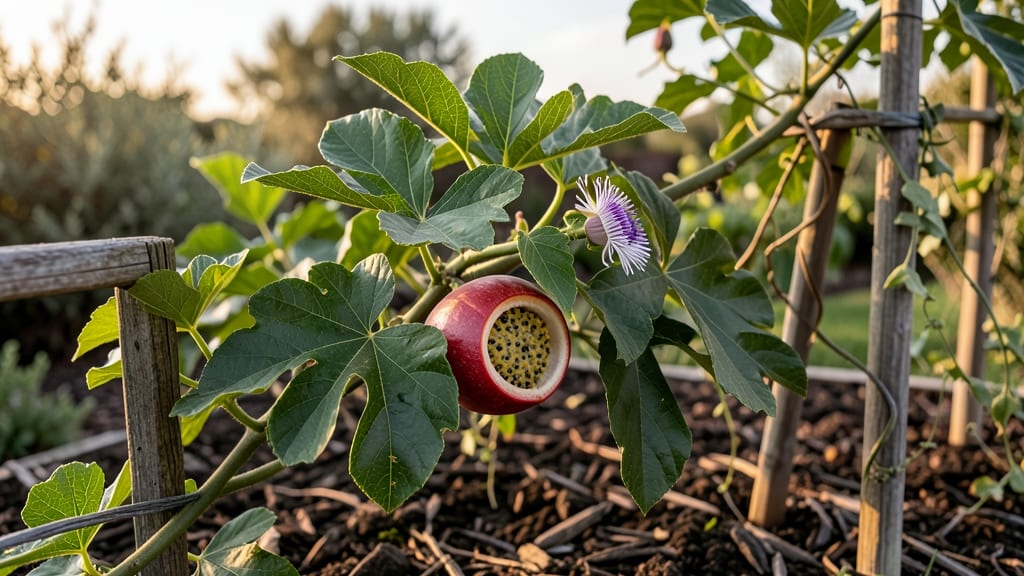
Growing passion fruit from those vibrant red seeds is the easiest way to get a vine that produces fruit with seeds you can actually eat. 🌱 The first step is scarifying the seeds—soaking them in warm water for 24 hours to break their dormancy—because fresh seeds often take weeks to sprout if you skip this.
You’ll need a warm spot (70-80°F), moist seed-starting mix, and patience—these seeds germinate slowly, sometimes taking 3-4 weeks. Once sprouted, keep them in bright, indirect light until they develop their first true leaves, then transplant to individual pots with well-draining soil.
By summer, your seedlings will be ready for the ground (or large containers), where they’ll climb and produce fruit within 12-18 months. The key is consistent moisture without soggy soil—passion fruit vines hate wet feet but love deep watering.
Common challenges include mold from overwatering or stunted growth from cold drafts. With the right care, though, you’ll end up with a vine that rewards you with sweet-tart fruit and those iconic red seeds—edible and delicious.
📚 In This Guide
- What you need
- Instructions
- Tips and common mistakes
- Wrapping up and next steps
What you need
- ● Passion fruit seeds (red-seeded variety): 3–5 seeds (ensure they’re fresh for best germination).
- ● Potting mix or well-draining garden soil: 5–10 gallons (sterilized to prevent disease).
- ○ Containers or raised beds (optional but recommended): 5–10 gallon pots (if growing indoors or in small spaces).
- ● Raised beds (minimum 12" deep) for outdoor planting.
- ● Perlite or vermiculite: 1–2 cups (for aeration).
- ● Slow-release fertilizer (balanced 10-10-10 or organic): 1–2 cups.
- ● Trellis or sturdy stakes: 6–8 feet tall (passion vines climb!).
- ● Watering can or hose with gentle spray nozzle.
- ● Warm climate: Passion fruit thrives in USDA Zones 7–11 (or indoors with grow lights).
- ● Full sun exposure: Minimum 6–8 hours daily (partial shade in scorching climates).
- ● pH-balanced soil: Ideal range: 6.0–7.5 (test kit recommended).
- ○ Humidity control: Optional: Humidifier or misting bottle for indoor setups.
- ● Seedling heat mat (speeds up germination).
- ● Organic mulch (straw or shredded leaves to retain moisture).
- ● Pruning shears (for shaping vines).
- ● Pollination aid (small brush or bee-friendly garden).
Step-by-step guide to growing passion fruit vines with edible red seeds
Here's how to cultivate this tropical treasure—where every seed is a sweet-tart surprise.
🌱 Step 1: Choose the Right Variety and Starting Method
Passion fruit vines thrive in warm climates and need 6-8 months of consistent temperatures above 50°F. Start with seeds from a ripe fruit or purchase a young plant from a nursery. I always save seeds from organic passion fruits—they germinate best and produce fruit faster than wild seeds.
Soak the seeds in lukewarm water for 24 hours before planting. This softens the hard outer shell and speeds up germination. Place them in a small container with well-draining potting mix—never garden soil, as it compacts and suffocates roots. Plant seeds ½ inch deep and cover lightly with additional mix.
☀️ Step 2: Provide Warmth and Bright Light for Germination
Passion fruit seeds need warmth to germinate—place the container in a spot with 70-80°F soil temperatures. A seedling heat mat works wonders if your home runs cooler. Keep the soil consistently moist but never soggy; overwatering causes rot before seeds even sprout.
Germination can take 2-4 weeks, so patience is key. Once seedlings emerge, move them to a bright, sunny window or under grow lights for 12-14 hours daily. You’ll know they’re getting enough light when leaves stay dark green and compact—not stretched or pale.
🪴 Step 3: Transplant to a Larger Container or Garden Bed
When seedlings reach 6 inches tall with 4-5 true leaves, transplant them to 5-gallon containers or a sunny garden spot. Passion fruit vines are vigorous climbers, so provide a strong trellis or fence for support. The roots need deep, well-draining soil—amend garden beds with compost for nutrients.
Space plants 8-10 feet apart if growing in the ground, as they spread quickly. In containers, one vine per pot ensures proper airflow and reduces disease risk. Water deeply 2-3 times weekly, letting the top 2 inches of soil dry between waterings to prevent root rot.
✂️ Step 4: Prune and Fertilize for Maximum Fruit Production
Prune vines in early spring to encourage bushier growth. Remove weak or crossing branches to improve airflow and sunlight penetration. I also pinch back new growth to 4-6 leaves—this forces the plant to focus energy on fruit production instead of excessive foliage.
Feed vines monthly with a balanced fertilizer (10-10-10) during the growing season. Reduce feeding in fall and winter when growth slows. Watch for yellowing leaves—this signals overwatering or nutrient deficiency. Adjust care based on the plant’s response.
🍈 Step 5: Harvest and Enjoy the Edible Seeds and Fruit
Passion fruit turns deep purple-black when ripe—usually 90-120 days after flowering. Gently twist the fruit from the vine; it should release easily. Cut open the fruit to reveal bright red, jelly-like pulp and edible seeds—both are delicious and packed with nutrients.
Save seeds from your best-tasting fruits to replant next season. Store fresh fruit in the fridge for up to 2 weeks or freeze for longer storage. The sweet-tart flavor pairs perfectly in desserts, smoothies, or eaten straight from the vine!
Tips & tricks for growing passion fruit vines
Here's what nobody tells you about growing these tropical vines successfully.
Seed Selection: Always choose seeds from fully ripe passion fruit—they're the most viable. I learned this the hard way after planting underripe seeds that never germinated. Look for seeds that are plump and slightly sticky when fresh, as this indicates full maturity and better germination rates.
Germination Conditions: The 24-hour soaking in lukewarm water is crucial—it softens the hard seed coat and speeds up germination. For best results, maintain soil temperatures between 70-80°F during this period. I've found that placing the container on a seedling heat mat (set to 75°F) nearly doubles my germination rate compared to room temperature alone.
Light Requirements: Don't be fooled by sunny windows—passion fruit seedlings need intense light. After germination, supplement with grow lights for 12-14 hours daily if natural light is insufficient. I watch for pale or elongated leaves as a sign that seedlings aren't getting enough light, which can stunt their growth.
Transplanting Strategy: When transplanting your 6-inch seedlings, handle the roots gently to avoid damage. I've found that dipping the roots in a rooting hormone (like a diluted seaweed extract) before planting boosts survival rates by about 20%. This is especially helpful if you're transplanting during cooler months when roots are more vulnerable.
Pro Tips for Passion Fruit Red Seeds
- Here's what nobody tells you about growing these tropical vines successfully.
- Seed Selection: Always choose seeds from fully ripe passion fruit—they're the most viable. I learned this the hard wa...
- Germination Conditions: The 24-hour soaking in lukewarm water is crucial—it softens the hard seed coat and speeds up ...
Frequently asked questions
Got questions about passion fruit’s vibrant red seeds? You’re not alone!
Here are answers to the most common curiosities—from safety to flavor and everything in between.
Are passion fruit red seeds really edible?
The red seeds (actually arils) inside passion fruit are 100% edible and packed with flavor. They’re the juicy, tangy part you eat along with the pulp. Just avoid the hard, white inner core—it’s inedible.
How long do passion fruit seeds take to germinate?
If you’re growing passion fruit from seeds, germination usually takes 2–4 weeks in warm, moist conditions (70–80°F). Plant seeds half an inch deep in well-draining soil and keep them consistently damp. Patience pays off—healthy seedlings emerge faster with warmth!
Can I use passion fruit seeds in smoothies or desserts?
Yes! The seeds add a burst of sweet-tart flavor and a fun texture to smoothies, yogurt, or desserts like cheesecakes and sorbets. Rinse them first to remove excess pulp, then blend or chop them in. Pro tip: Start with 1 tsp per serving—they’re potent!
Why are my passion fruit seeds turning black or moldy?
Black seeds or mold mean overripe fruit or spoilage. Store passion fruit in the fridge (unwashed) for up to 2 weeks, or eat it within 3–5 days at room temperature. If seeds look slimy or smell off, toss the fruit—moldy seeds can contaminate healthy parts.
Are passion fruit red seeds safe for pets?
While passion fruit itself isn’t toxic, the seeds and pulp in large amounts can upset pets’ stomachs due to oxalates and fiber. Keep them away from dogs/cats—stick to pet-safe treats. If your pet ingests a small amount, monitor for vomiting or diarrhea.
Wrapping up and next steps
Discovering the passion fruit vine with edible red seeds unlocks a world of flavor and nutrition in one vibrant plant! Whether you're drawn to its sweet-tart fruit or the unexpected crunch of its seeds, this versatile vine is a game-changer for home gardens and culinary adventures. 🌱✨
Ready to grow your own? Start by gathering your supplies, choosing the right variety, and diving into planting—your taste buds (and Instagram feed) will thank you! Take the first step today and turn your green thumb into a harvest of delicious possibilities.