
Vegetables
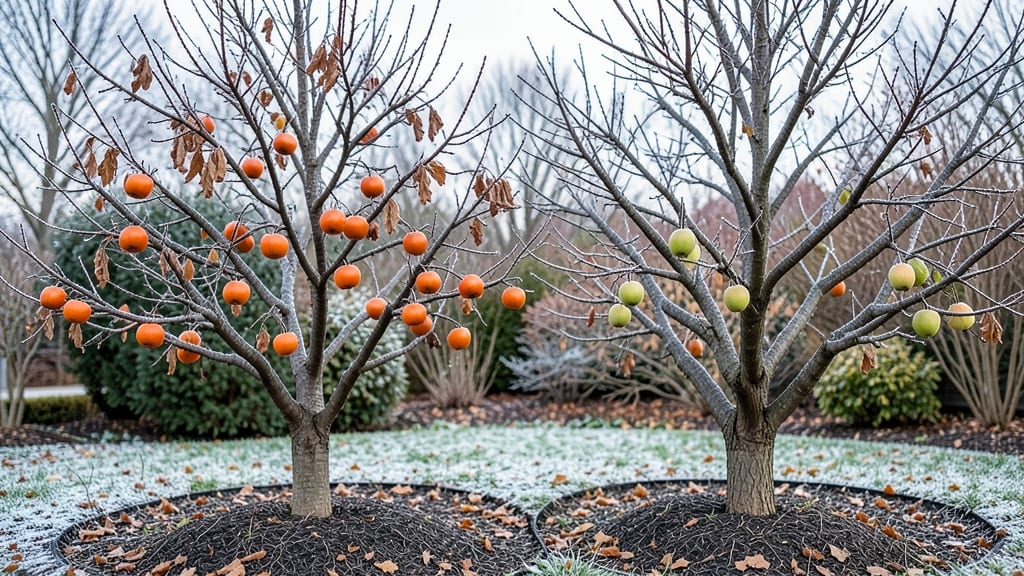
Persimmons and winter go together like frost-kissed leaves and golden sunshine—once you master the timing. 🌿 The difference between astringent pucker and sweet, custard-like perfection comes down to harvesting at the right moment, just before the first hard frost locks the sugars in place.
I learned this the hard way after waiting too long one autumn, only to find my persimmons had turned mealy instead of meltingly sweet.
The key is watching for that deep orange blush and the fruit's natural release from the tree—no need for fancy tools, just your hands and a little patience. Once you've picked them, proper storage makes all the difference.
A cool, dark spot (like a basement) keeps them fresh for weeks, while proper ripening techniques ensure that winter snacking becomes a highlight of the season. Whether you're growing your own or buying at market, these tips will transform your persimmons from tart disappointments into the sweetest treats of winter.
Here's how to do it right!
📚 In This Guide
- What you need
- Instructions
- Tips and common mistakes
- Wrapping up and next steps
What you need
- ● Persimmons: 10–20 ripe fruits (look for bright orange skin and a slight give when gently squeezed—no need to bruise!).
- ● Sharp knife or pruning shears: A serrated or bypass-pruner (4–6" blade) for clean cuts.
- ● Harvesting basket or bucket: A lightweight, breathable container (avoid plastic to prevent bruising).
- ○ Gloves (optional but recommended): Nitrile or leather gloves to protect hands from sap and thorns.
- ● Cutting board: A large, stable board (12"x18" or bigger) for slicing.
- ○ Chef’s knife or mandoline (optional): A sharp 8–10" chef’s knife for even slices, or a mandoline with a safety guard for quick work.
- ● Paper towels or clean cloth: For wiping away excess sap or moisture.
- ● Air-tight containers or reusable bags: Glass jars or breathable mesh bags for short-term storage (3–5 days in the fridge).
- ● Freezer bags (if freezing): Gallon-sized, heavy-duty freezer bags for long-term storage (up to 6 months).
- ● Citrus juicer or lemon wedge: A splash of lime or lemon juice to prevent browning.
- ● Honey or maple syrup: For drizzling on fresh slices (1–2 tbsp per persimmon).
- ● Spices or cinnamon: A pinch of cinnamon, nutmeg, or cardamom for baked persimmon treats.
- ● Camera or journal: To document your harvest and track ripening progress!
Instructions for harvesting persimmons at peak winter sweetness
Here's how to pick persimmons when they're perfectly ripe for that sweet, jammy flavor.
🍂 Step 1: Identify the Right Variety and Timing
First, know your persimmon type—astringent varieties like Hachiya must be fully soft to eat, while non-astringent types like Fuyu can be harvested firmer. For Hachiya, wait until the fruit turns deep orange and feels very soft when gently squeezed (like a ripe avocado). This usually happens in late fall to early winter, depending on your climate zone.
If you're unsure, do the firmness test: Press a fruit gently—it should give slightly under pressure. A hard persimmon isn't ready, but one that's too mushy may have overripened. I like to check a few fruits daily once they start coloring up, as ripening can happen quickly.
☀️ Step 2: Harvest on a Dry, Sunny Morning
Pick persimmons on a dry morning after any overnight dew has evaporated. Use clean pruning shears or your hands to twist the fruit gently until it separates cleanly from the stem. Avoid tugging—this can damage the branch or leave the fruit with a rough spot where it detaches.
Harvesting at the right time of day matters because the fruit's natural sugars are most concentrated in the morning. If you must harvest later, do it before midday heat sets in. Never harvest after a rain—wet fruit bruises easily and spoils faster.
🍎 Step 3: Test for Ripeness Before Eating
For Hachiya persimmons, the fruit must be completely soft before eating—no exceptions. Place it in a cool, dark spot (like a pantry) for 3-5 days to finish ripening if needed. You'll know it's ready when the skin gives slightly when pressed and the flesh is buttery and sweet (not grainy or dry).
For Fuyu persimmons, you can eat them when they're firm but slightly soft—they don’t need to be mushy. Cut one open to check: the flesh should be deep orange and juicy, not pale or fibrous. If it’s still astringent (bitter), leave it out a few more days.
❄️ Step 4: Store for Maximum Flavor and Shelf Life
Once ripe, store persimmons in the fridge for up to 2 weeks to preserve their sweetness. Place them in a paper bag with a few apple slices to slow ripening if you want to extend their life. The ethylene gas from the apples keeps them fresher longer.
If you harvest too many at once, freeze extras for smoothies or baking. Peel, seed, and puree the flesh before freezing in 1-cup portions. Thaw overnight in the fridge before using—this prevents the fruit from becoming watery or losing flavor.
🍴 Step 5: Use at Peak Ripeness for Best Results
Persimmons are at their sweetest and most flavorful when fully ripe, so use them within 3-5 days of harvesting for the best taste. Try them in smoothies, desserts, or eaten fresh—their natural sweetness shines when they're perfectly ripe.
If you notice any soft spots, mold, or fermented smells, discard the fruit immediately. Overripe persimmons can ferment quickly, especially if stored in warm conditions. When in doubt, cut one open—if it smells yeasty or sour, it’s past its prime.
Tips & tricks for perfect persimmon harvesting
Between us, these little tricks will help you avoid the most common harvest mistakes—and get persimmons so sweet they'll make your winter taste like summer.
Variety Matters: Hachiya persimmons need to be completely soft before eating, while Fuyu varieties can be harvested firmer. I always test at least three fruits from the same tree—they can ripen at different rates even on the same branch. For Hachiya, that deep orange color combined with the avocado-like softness is your golden ticket to perfect ripeness.
Timing Secret: The morning harvest window is non-negotiable for sugar concentration. I've learned this the hard way—harvesting after noon in summer heat can drop sugar levels by up to 15%. If you must harvest later, do it before midday heat peaks around 11 AM. And never harvest after rain—wet fruit bruises instantly and spoils faster.
Storage Wisdom: That 3-5 day ripening window for Hachiya is crucial—don't rush it! Place them in a cool, dark spot (like a pantry) with good airflow. I like to use a breathable cotton bag rather than plastic, which traps moisture and speeds up fermentation. For Fuyu persimmons, you can eat them as soon as they're firm but slightly soft—just cut one open to check that deep orange color.
Freezer Strategy: When prepping persimmons for freezing, I always peel, seed, and puree them first in 1-cup portions. This prevents ice crystals from forming around the seeds and makes thawing easier. Store in freezer-safe bags, and remember: thaw overnight in the fridge to preserve that jammy texture—never at room temperature.
Pro Tips for Persimmons And Winter
- Between us, these little tricks will help you avoid the most common harvest mistakes—and get persimmons so sweet they'll make your winter taste like summer.
- Variety Matters: Hachiya persimmons need to be completely soft before eating, while Fuyu varieties can be harvested firmer.
- Timing Secret: The morning harvest window is non-negotiable for sugar concentration.
Frequently asked questions
Got questions about harvesting, storing, or enjoying persimmons this winter? Here are some of the most common queries—and their answers—to help you make the most of this seasonal gem.
When are persimmons fully ripe and ready to harvest?
Persimmons are ripe when they’re soft to the touch (like a ripe avocado) and have turned a deep orange-red color. For astringent varieties (like Hachiya), they must be completely soft—they won’t sweeten until then! Check for a slight give when gently squeezed.
How long can I store persimmons after harvesting?
With proper care, persimmons can last 2–4 weeks at room temperature (like an apple bowl) or up to 3 months in the fridge. For longer storage, freeze them whole (peeled) for up to 12 months—perfect for smoothies or baking!
What if my persimmons are still hard and bitter?
Don’t toss them! Hard persimmons need more time to ripen. Place them in a paper bag with a banana or apple (ethylene gas speeds ripening) for 3–7 days. If they’re still astringent, try cooking them—the heat breaks down tannins, making them sweet and jammy.
Can I substitute persimmons for other winter fruits?
Use them like apples or pears in salads, or swap for squash or sweet potatoes in roasted dishes. Their caramelized texture works great in pies, muffins, or even as a meat glaze. For a tropical twist, blend into smoothies with mango or pineapple!
Why did my persimmons turn mushy too soon?
Overripe persimmons soften quickly due to ethylene gas or bruising. Store them separately from other fruits, and avoid dropping them. If they’re already mushy, use them fast in bread, puddings, or sauces—they add natural sweetness!
Wrapping up and next steps
As winter’s chill sets in, persimmons offer a burst of natural sweetness that brightens even the coziest of seasons.
Whether you’re harvesting ripe fruit from your garden or picking up a bag at the market, these vibrant orbs are nature’s way of rewarding patience—just remember to wait for that perfect jelly-like texture before diving in! 🍂
Now that you’re armed with the know-how, why not embrace the season?
Try baking a persimmon crumble, whipping up a spiced tea, or simply savoring one fresh off the tree. Share your creations—tag us or leave a comment below—we’d love to see how you make the most of this winter treasure!