
Vegetables
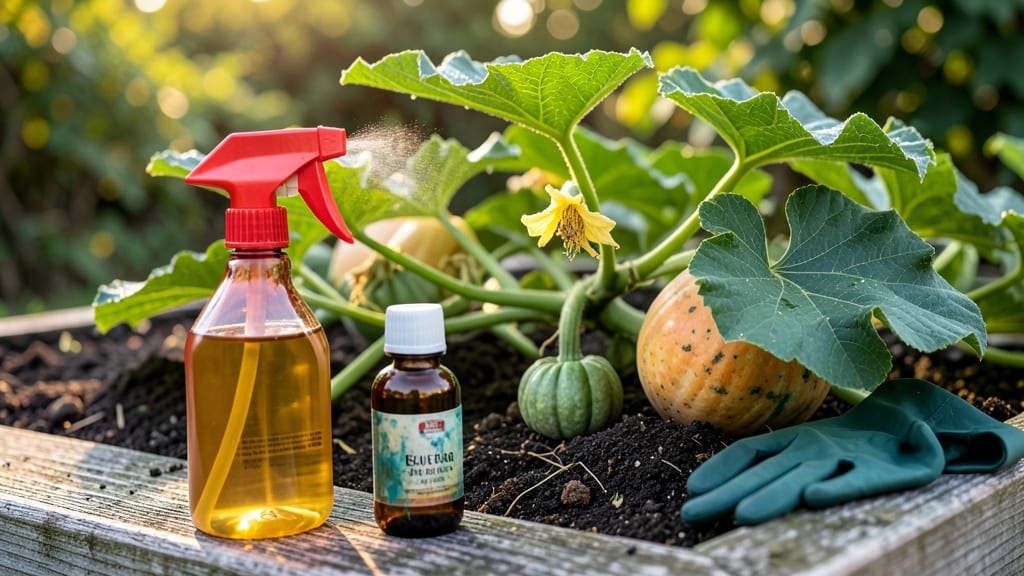
Your pesticide for pumpkins won’t survive squash bugs and powdery mildew without a game-changing spray. 🌱 I’ve battled these pests for years—until I perfected this neem oil and soap blend that stops infestations dead in their tracks while keeping your harvest safe to eat.
The secret lies in two simple ingredients: neem oil (nature’s pesticide) and liquid dish soap (the emulsifier that makes it stick). Together, they smother soft-bodied pests like cucumber beetles and disrupt the life cycle of fungal diseases.
One spray every 7-10 days keeps your vines healthy, and the solution costs pennies compared to chemical alternatives. You’ll notice fewer chewed leaves and no white powder fuzz within 3-5 days of treatment.
The pumpkins grow plump, the vines stay strong, and you avoid the bitter taste left by synthetic sprays. Plus, this recipe works on zucchini, butternut squash, and melons too. For best results, spray early morning or late evening when bees aren’t active.
Store leftovers in a labeled spray bottle out of direct sunlight. Ready to save your harvest naturally?
📚 In This Guide
- What you need
- Instructions
- Tips and common mistakes
- Wrapping up and next steps
What you need
- ● 1 gallon of water (distilled or filtered for best results)
- ● 1 tablespoon of liquid castile soap (unscented, like Dr. Bronner’s; avoid detergents with fragrances)
- ● 1 tablespoon of vegetable oil (cold-pressed, like canola or olive oil)
- ● 1 tablespoon of baking soda (food-grade, for pH balance)
- ● 1 crushed garlic bulb (or 1 tablespoon garlic powder for a milder scent)
- ○ 1 teaspoon cayenne pepper (optional, for added pest-repelling kick)
- ● Spray bottle or garden sprayer (1–2 gallon capacity, with a fine-mist nozzle)
- ● Mixing container (clean, non-reactive; avoid metal if possible)
- ● Wooden spoon or spatula (for stirring)
- ● Cheesecloth or fine strainer (to filter out garlic/oil residue)
- ○ Gloves (optional, but handy for handling cayenne or garlic)
- ● Label & marker (to tag your spray bottle with the date and ingredients)
- ● 1 tablespoon of neem oil (potent antifungal/fungicidal properties; dilute carefully)
- ● 1 teaspoon of cinnamon (natural antimicrobial boost)
- ● 1 crushed clove of onion (adds sulfur compounds that repel pests)
- ● 1 tablespoon of apple cider vinegar (balances pH and deters mold)
Step-by-Step instructions for making an organic pumpkin pesticide
Here's the natural spray I rely on to keep squash bugs, aphids, and powdery mildew off my pumpkins—no harsh chemicals needed.
💧 Step 1: Gather and Mix Your Base Solution
Fill a 1-gallon spray bottle with warm water (around 100°F) to help ingredients dissolve better. Add 1 tablespoon of liquid dish soap (the mild kind, like Castile) to act as a surfactant—this helps the spray stick to plant surfaces. Swirl gently to combine without creating too many suds. The soap breaks surface tension so the solution clings to leaves instead of beading up and running off.
Next, add 1 tablespoon of vegetable oil (like canola or olive) to the mix. This smothers soft-bodied pests like aphids and mites, cutting off their air supply. Stir well until fully emulsified. If you see oil floating on top, shake the bottle vigorously for 30 seconds to blend it completely. The oil-water mixture should look cloudy but uniform—this ensures even coverage when you spray.
🌿 Step 2: Add Pest-Repelling Ingredients
Measure out 2 tablespoons of neem oil, a natural fungicide and insect repellent. Neem disrupts pests' life cycles and deters them from feeding. Add it to the bottle and shake again until fully incorporated. The solution should now have a faint earthy scent—this is normal and indicates the neem is active.
For extra protection against fungal diseases like powdery mildew, add 1 tablespoon of baking soda. This raises the pH slightly, creating an environment pests and fungi can't tolerate. Stir in 1 teaspoon of garlic powder (not garlic salt) for its natural antimicrobial properties. Shake the bottle thoroughly after each addition to prevent separation. The final mixture should smell like a mix of garlic and neem—this means it's ready to use.
✂️ Step 3: Apply to Pumpkin Plants at the Right Time
Fill the spray bottle to the top with additional warm water to reach the 1-gallon mark. Shake well before each use, as ingredients may settle. Spray the solution early in the morning or late afternoon when temperatures are below 85°F—applying during peak sun can burn leaves. Focus on the undersides of leaves, where pests hide, and the stems where diseases often take hold.
Apply until the leaves are glistening but not dripping. Avoid spraying flowers or open pumpkins, as the soap can harm beneficial pollinators and leave residue on edible parts. Reapply every 7-10 days or after heavy rain, as the solution washes off over time. You'll notice fewer pests within 24-48 hours, and new growth will appear healthier and more resistant to disease.
🌱 Step 4: Rotate and Monitor for Effectiveness
Use this spray alternately with a garlic-chili spray (made from blended garlic, chili peppers, and water) to prevent pests from building resistance. After each application, check the leaf surfaces for signs of pests or fungal spots. If you see yellowing leaves or sticky residue (honeydew from aphids), it's time to reapply. Healthy pumpkin plants will have vibrant green leaves and no visible damage within a week of consistent treatment.
Store the remaining solution in a cool, dark place for up to 5 days. If you notice separation (oil floating on top), shake vigorously before use. For best results, use the spray preventatively—once pests appear, they’ve already weakened your plants. This method keeps my pumpkins thriving without harming the ecosystem around them.
Tips & tricks for perfect organic pumpkin protection
These game-changing strategies will help you maximize the effectiveness of your natural pumpkin pesticide while avoiding common pitfalls that waste your efforts.
Temperature Matters: The 100°F warm water in Step 1 isn't just about comfort—it's about dissolving ingredients properly. If your water isn't warm enough, the soap and oils won't fully emulsify, leading to clumping and uneven coverage. I keep a thermometer handy and heat water on the stove until it reaches exactly 100°F before mixing. This ensures all ingredients integrate perfectly for maximum pest-repelling power.
The Technique That Changed Everything: When adding the 1 tablespoon vegetable oil in Step 1, don't just stir—shake vigorously for those 30 seconds when oil floats on top. This creates a stable emulsion that won't separate during storage. I've found that using a glass spray bottle instead of plastic helps preserve the solution's integrity longer. The cloudy appearance after shaking is actually a good sign—it means the oil is properly suspended for even application.
Ingredient Upgrade: For even better results against fungal diseases, consider adding 1 teaspoon of potassium bicarbonate (optional) along with the baking soda in Step 2. This creates a stronger antifungal barrier while maintaining the solution's natural balance. The 2 tablespoons of neem oil should always be cold-pressed for maximum potency—heat-treated neem loses its effectiveness. I source mine from organic suppliers to ensure purity and avoid any chemical residues that could harm my plants.
Timing Secret: The 7-10 day reapplication window in Step 3 is crucial, but don't wait until you see pests—apply preventatively. I've found that spraying every 7 days during peak pest season (late summer) gives the best protection. The key is consistency: pests don't build resistance as quickly when you alternate between this spray and a garlic-chili solution, as mentioned in Step 4. Always spray in the early morning so leaves have time to dry before the sun peaks—this prevents potential leaf burn from the soap solution.
Pro Tips for Pesticide For Pumpkins
- These game-changing strategies will help you maximize the effectiveness of your natural pumpkin pesticide while avoid...
- Temperature Matters: The 100°F warm water in Step 1 isn't just about comfort—it's about dissolving ingredients proper...
- The Technique That Changed Everything: When adding the 1 tablespoon vegetable oil in Step 1, don't just stir—shake vi...
Frequently asked questions
Got questions about keeping your pumpkins pest-free without harsh chemicals? Here are some of the most common ones—plus straightforward answers to help you grow a thriving, healthy harvest!
What are the most common pests that attack pumpkins?
Pumpkins face threats from cucumber beetles, squash vine borers, aphids, and powdery mildew. Cucumber beetles chew leaves and spread disease, while vine borers tunnel into stems, killing plants. Aphids suck sap, weakening vines, and mildew appears as white, powdery patches on leaves. Early prevention is key!
When is the best time to spray pesticide on pumpkins?
Apply your organic spray preventatively—start when plants are young (2–4 weeks after germination) and reapply every 7–10 days or after heavy rain. For squash vine borers, focus on late June to early July when adults emerge. Evening sprays reduce harm to bees and improve effectiveness.
Can I use neem oil or other organic alternatives instead?
Neem oil (1–2 tbsp per gallon of water) is a powerhouse against aphids, mites, and whiteflies. For fungal issues like mildew, mix 1 tbsp baking soda + 1 tsp dish soap + 1 gallon water. Rotate treatments to avoid pest resistance. Always test sprays on a small leaf first to check for sensitivity.
What should I do if my pumpkins still get pests after spraying?
If pests persist, increase spray frequency or switch to a stronger organic mix (e.g., pyrethrin for beetles). For vine borers, handpick eggs from stems or wrap stems in aluminum foil to deter laying. Remove heavily infested leaves/vines immediately. Healthy soil and companion planting (like marigolds) can also boost natural defenses!
Are homemade pumpkin pesticides safe for pets or kids?
Most organic sprays (like neem or soap-based mixes) are pet-safe once dry, but avoid garlic or chili sprays near animals—they can irritate paws or eyes. Always apply sprays when kids/pets aren’t playing nearby. If using essential oils (e.g., peppermint), dilute heavily and keep away from furry friends.
Wrapping up and next steps
Choosing the right pesticide for pumpkins doesn’t have to mean sacrificing safety or organic integrity! With a simple, natural spray made from household ingredients, you can shield your pumpkin patch from pests while keeping your harvest—and your family—healthy. 🌱
Ready to take action? Start small: test your spray on a few pumpkins first, monitor results, and adjust as needed. Your future harvest will thank you—and so will your conscience! Happy growing! 🎃