
Vegetables
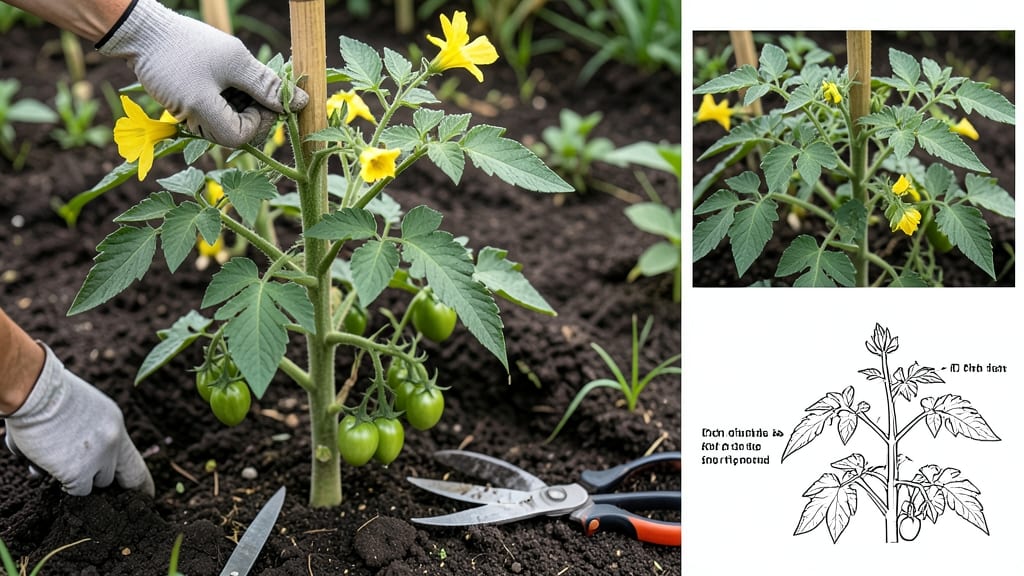
Pinching out tomatoes is the simple trick that turns spindly plants into fruit factories. 🌱 I learned this the hard way—my first year, I ignored it and ended up with a bushel of tiny, sour tomatoes that barely ripened.
The key is removing those little side shoots (called suckers) to redirect energy into fewer, bigger, sweeter fruits. Most gardeners start pinching when plants hit 12-18 inches tall, but the real secret is consistency.
Grab a pair of clean pruners or just your fingers—no fancy tools needed—and snip those suckers below where they meet the main stem. You’ll see the difference in just a few weeks: thicker stems, heavier fruit, and plants that don’t flop over like overgrown weeds. The payoff?
Tomatoes that are 50% larger than unpinched plants, with fewer but sweeter fruits. My favorite part? The plants stay upright enough to skip staking entirely if you’re growing bush varieties. Just don’t go overboard—too much pruning stresses the plant.
Works for both indeterminate (vining) and determinate (bush) tomatoes, though determinates need less aggressive pinching. Here’s how to do it without killing your plants—trust me, your taste buds will thank you.
📚 In This Guide
- What you need
- Instructions
- Tips and common mistakes
- Wrapping up and next steps
What you need
- ○ Sharp pruning shears or scissors – Clean, sterilized tools (alcohol wipe recommended) to avoid disease transfer. Optional: Small, handheld pruners for precision.
- ○ Gloves (gardening or nitrile) – Protects hands from thorns and dirt. Optional: Lightweight, breathable fabric for comfort.
- ● Tomato plants (determinate or indeterminate) – Healthy, established plants (6+ weeks old) with visible suckers (side shoots). Pro tip: Indeterminate varieties (like ‘Sungold’ or ‘Beefsteak’) benefit most!
- ● Rubbing alcohol (70% isopropyl) – Sterilizes tools between cuts.
- ● Garden twine & stakes – Supports heavier fruit after pruning.
- ● Compost or mulch – Reduces stress on plants post-pruning.
- ○ Magnifying glass (optional) – Helps spot tiny suckers on dense foliage.
Step-by-Step instructions for pinching out tomatoes
Here's the simple technique I use to coax bigger, juicier tomatoes from every plant.
✂️ Step 1: Identify the Right Time to Pinch
Wait until your tomato plants have grown 4-6 inches tall and developed 3-5 sets of true leaves—those are the mature leaves that look like the adult plant, not the first tiny seed leaves. This usually happens 3-4 weeks after transplanting, but watch your plants closely. Pinching too early stresses young plants, while waiting too long reduces effectiveness.
I like to do this on a bright, dry morning when the plants are fully hydrated. You'll see the main stem (called the leader) growing vertically, with side branches (suckers) forming in the leaf axils—the little nooks where leaves meet the stem. These suckers are your targets.
✂️ Step 2: Locate and Remove the Suckers
Find the leaf axils on your main stem—these are the small gaps where leaves attach. About 1-2 inches below each leaf, you'll spot tiny side shoots growing outward. These are the suckers that compete with your main fruit clusters. Use your thumb and forefinger to gently pinch them off at their base, where they meet the main stem.
Don't tear the stem—this can damage the plant. If a sucker is too tough to pinch by hand, use clean pruning shears to snip it cleanly. I always remove suckers growing below the first flower cluster because these won't produce fruit anyway. The goal is to direct all the plant's energy into the existing fruit rather than new growth.
🌱 Step 3: Focus Energy on the Main Stem and Fruit Clusters
After pinching, the plant will redirect its energy to the remaining branches. You'll notice stronger growth in the existing flower clusters within 7-10 days. The leaves will darken slightly as the plant adjusts, and new shoots may appear—these are normal and should be removed too.
Here's the thing—don't overdo it. For indeterminate varieties (the vining types), I remove all suckers below the first flower cluster, but leave 1-2 suckers above to develop into new fruit-bearing branches. Determinate varieties (bush types) rarely need pinching since they produce all their fruit at once. Watch for new suckers every 2-3 weeks and pinch them consistently.
⏰ Step 4: Maintain the Process Through the Season
Pinching isn't a one-time task—it's an ongoing conversation with your plant. Check your tomatoes weekly as they grow, especially after heavy rains or when new growth appears. The key is consistency: remove suckers before they grow more than 2 inches long, or they'll start competing with your main fruit.
I always pinch in the early morning when the plant is turgid (firm) from overnight water. Avoid pinching when the plant is stressed from heat or drought—it's harder on the plant and less effective. You'll know you're doing it right when your plants develop thicker stems, larger leaves, and heavier fruit clusters by mid-season.
🌿 Step 5: Know When to Stop
Stop pinching 4-6 weeks before your first expected frost or when your plants start showing signs of stress. Look for yellowing leaves, stunted growth, or fruit that stops ripening—these are signs the plant is overworked. For most climates, this means late summer to early fall.
At this stage, let the plant focus on ripening existing fruit rather than producing new growth. You'll see the difference in your harvest: fewer but larger tomatoes that are sweeter and more flavorful. The last pinching session is your final act of nurturing before the plant shifts its energy to fruit maturation.
Tips & tricks for perfect tomato pruning
These simple tricks will help you get the most out of your tomato plants without the guesswork.
The Timing Secret: The 3-4 week mark after transplanting is your sweet spot for the first pinch. I've found that plants this age have enough energy to recover but aren't yet overwhelmed by growth. Watch for the true leaves - those are the mature leaves that look identical to the adult plant, not the first tiny seed leaves. If you pinch too early, you'll stunt growth; too late, and you miss the prime energy-redirection window.
Technique Tip: When you're pinching those suckers in Step 2, focus on the angle. Make your pinch at a 45-degree angle where the sucker meets the main stem - this creates a cleaner cut and reduces the chance of disease entering the plant. For stubborn suckers, use clean pruning shears and make the cut just above a leaf node (where leaves attach) to encourage healthy regrowth. Remember, you're not just removing growth - you're shaping the plant's future fruit production.
Plant Response Watch: After your first pinch, keep an eye on the plant's reaction over the 7-10 day period mentioned in Step 3. You should see the existing flower clusters perk up noticeably - the leaves will darken slightly and the stems will thicken. This is your plant's way of saying "thank you" for redirecting its energy. If you don't see this response within two weeks, you might have pinched too late or the plant was already stressed.
Seasonal Strategy: The weekly checks in Step 4 are crucial, but don't let them become a chore. I've found that pairing pinching sessions with your regular watering routine saves time. On those bright, dry mornings when you're already out in the garden, take an extra minute to scan for new suckers. The early morning timing also means you're working with turgid plants that are fully hydrated - they'll handle the pruning better and recover faster.
Pro Tips for Pinching Out Tomatoes
- These simple tricks will help you get the most out of your tomato plants without the guesswork.
- The Timing Secret: The 3-4 week mark after transplanting is your sweet spot for the first pinch. I've found that plan...
- Technique Tip: When you're pinching those suckers in Step 2, focus on the angle. Make your pinch at a 45-degree angle...
Frequently asked questions
Got questions about pinching out tomatoes? You’re not alone! Here are some of the most common queries—plus quick, actionable answers to help you grow juicier, healthier tomatoes with confidence.
What exactly does "pinching out" mean?
"Pinching out" refers to removing the growing tips (shoots) of tomato plants to redirect energy toward fruit production instead of leafy growth. Use your fingers or pruning shears to gently snap off the topmost leaves and stem. This encourages larger, fewer—but more flavorful—fruits!
When is the best time to pinch out tomatoes?
Start pinching when your plants are about 12–18 inches tall and have a few sets of true leaves (not seedlings). For indeterminate varieties (like cherry tomatoes), continue pinching throughout the growing season to promote bushier growth. Determinate tomatoes (bush types) usually don’t need pinching—just let them grow!
Do I need special tools, or can I use my fingers?
You can absolutely pinch with your fingers—it’s the easiest and most precise method! For thicker stems or larger plants, small pruning shears (sterilized with rubbing alcohol) work well. Avoid sharp tools that might tear the plant. Pro tip: Do this on a dry day to reduce disease risk.
Will pinching out reduce my tomato yield?
Not at all! Pinching improves yield quality by focusing the plant’s energy on fewer, larger, and sweeter tomatoes. However, if you pinch too aggressively (removing too many leaves), the plant may struggle. Aim to leave 3–5 leaves below each fruit cluster for optimal photosynthesis.
What if I missed pinching early? Can I still do it later?
While early pinching is ideal, you can still pinch out tomatoes throughout the growing season—just be gentle. Focus on removing suckers (side shoots in the leaf axils) and overcrowded growth. If your plant is already flowering, prioritize pinching non-fruiting areas to avoid stressing the plant.
Are there any tomato varieties that shouldn’t be pinched?
Yes! Determinate (bush) tomatoes (like Roma or Celebrity) don’t need pinching—they naturally produce fruit in clusters and benefit from a fuller shape. Indeterminate varieties (like Sungold or Beefsteak) thrive with pinching. Always check your seed packet or plant tag for guidance!
Bonus Tip: How to tell if my plant is ready for pinching?
Look for suckers—small shoots growing in the "V" where a leaf meets the stem. These compete with your main fruit clusters. Pinch them off early to keep your plant’s energy flowing where you want it: on delicious, vine-ripened tomatoes!
Wrapping up and next steps
Mastering the art of pinching out tomatoes is your ticket to a bountiful harvest of juicy, flavorful fruit! 🌱 By removing suckers early and pruning strategically, you’re not just shaping your plant—you’re investing in bigger, healthier tomatoes. This simple technique takes just minutes but yields massive rewards.
Ready to put your new skills to work? Grab your pruners and head to the garden—your tomato plants are waiting! And don’t stop here: experiment with trellising or fertilizing tips next to supercharge your harvest even further. Happy gardening! 🌿