
Vegetables
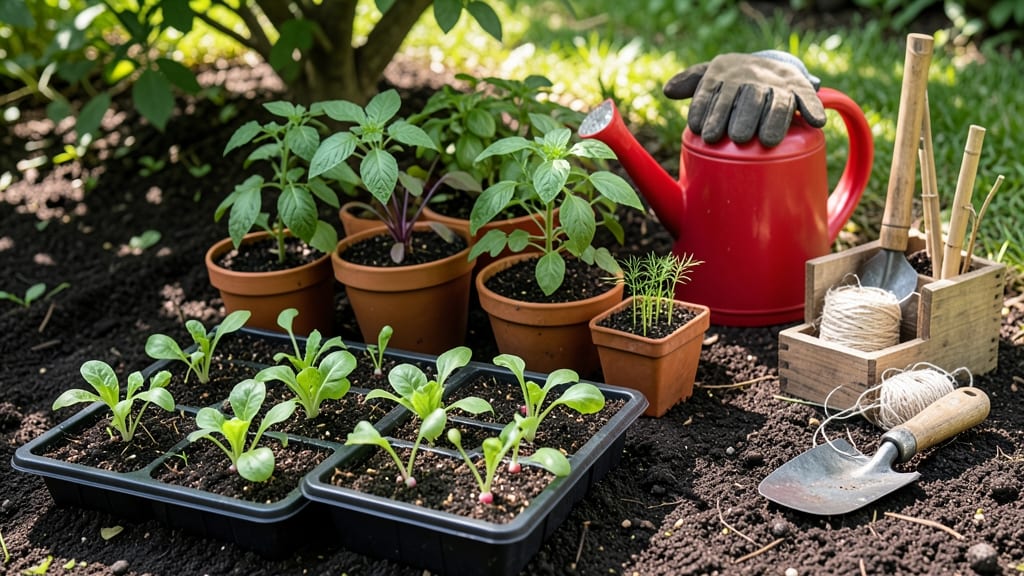
Planting vegetables for beginners starts with a simple truth: you don’t need a green thumb—just the right soil, a sunny spot, and a little patience. 🌱 I’ve watched my own garden go from patchy dirt to a thriving patch in just two seasons, and the secret isn’t complicated: it’s about matching plants to their needs, not guessing.
The first step? Choosing vegetables that forgive mistakes—like lettuce, radishes, or bush beans—so you can build confidence before tackling tomatoes or peppers.
Good soil is your foundation, and luckily, you don’t need fancy amendments to begin. A basic mix of compost and garden soil (or even store-bought potting mix for containers) works wonders for starters.
Most beginners overthink watering—too much drowns roots, too little stresses plants—but a consistent schedule (about 1 inch per week) keeps things simple. Spacing is next: crowding leads to competition, while too much space wastes room. Think of it like a cozy neighborhood where everyone has enough space to grow.
By the time you’re harvesting, you’ll wonder why you didn’t start sooner. Those first crisp radishes or sweet cherry tomatoes taste like victory, and the process becomes addictive. The key is starting small—maybe a 4x8-foot bed or a few containers—and expanding as you gain confidence.
Even my first attempt produced enough greens to feed the family for weeks, and the mistakes? Just lessons for next year.
This method works for any climate, from urban balconies to backyard plots. The only rule? Begin with plants that grow fast and forgive errors. Let’s get those seeds in the ground—and watch your green space transform into a productive haven.
📚 In This Guide
- What you need
- Instructions
- Tips and common mistakes
- Wrapping up and next steps
What you need
- ● Seeds or seedlings: Beginner-friendly options: tomatoes, lettuce, green beans, radishes, or zucchini (pick 3–5 varieties max to avoid overwhelm).
- ● Quantity: 10–20 seeds per plant (or 3–5 seedlings per variety).
- ● Growing space: For containers: 5–10 gallon pots (1 per plant) with drainage holes.
- ● For garden beds: 12"–18" deep soil, 18"–24" spacing between plants (check seed packets for specifics).
- ● High-quality soil: 1–2 bags of potting mix (for containers) or garden soil amended with compost (for beds).
- ● Compost or fertilizer: 1 bag of balanced organic fertilizer (10-10-10) or compost tea.
- ● Watering can or hose: With a gentle spray nozzle for seedlings.
- ● Hand trowel (for digging small holes).
- ● Garden gloves (to protect your hands from dirt and thorns).
- ● Pruners or scissors (for trimming plants or opening seed packets).
- ● Mulch (straw or shredded leaves) (to retain moisture and suppress weeds).
- ● Plant labels (to track what you’ve planted—DIY with popsicle sticks!).
- ● Sunlight: 6–8 hours of direct sun daily (most veggies are sun-lovers!).
- ● Water access: A nearby spigot or hose for consistent watering.
- ● Patience: Vegetables take time—radishes in 3–4 weeks, tomatoes in 60–80 days!
Step-by-Step instructions for planting vegetables for beginners
Let’s turn your garden dreams into reality with these simple, foolproof steps.
🪴 Step 1: Prepare Your Garden Beds
Start by selecting a sunny spot that gets at least 6-8 hours of sunlight daily. Clear the area of weeds, rocks, and debris, then loosen the soil with a garden fork or tiller to a depth of 12 inches. This ensures roots can spread easily without compacted layers.
For beginners, I recommend working in 4-foot-wide beds—they’re easy to reach across without stepping on the soil. Mix in a 2-3 inch layer of compost to enrich the soil naturally. You’ll know it’s ready when the soil crumbles easily between your fingers and smells earthy, not sour or chemical.
🌱 Step 2: Choose and Plant Your Vegetables
Pick beginner-friendly vegetables like lettuce, radishes, or bush beans—these thrive in cooler weather and don’t require fussy care. Direct-sow seeds ½ inch deep (or follow packet instructions) and space them according to their mature size. For example, plant radishes 1 inch apart and carrots 2-3 inches apart.
Water the soil thoroughly before planting to help seeds settle. If transplanting seedlings, dig holes just deep enough to cover the roots but leave the soil line visible. Gently firm the soil around the plants to eliminate air pockets. Here’s the thing—don’t overcrowd. Crowded plants compete for nutrients and invite disease.
💧 Step 3: Water and Mulch for Success
Water your newly planted vegetables 1 inch per week, either from rainfall or manual watering. Use a gentle spray or drip irrigation to avoid dislodging seeds or seedlings. The soil should feel moist 1 inch below the surface—stick your finger in to check.
After watering, apply a 2-3 inch layer of mulch (straw or shredded leaves work well) to retain moisture and suppress weeds. Mulch also keeps soil temperatures stable, which is especially helpful in hot climates. Watch for weeds popping up—pull them early before they compete with your vegetables.
☀️ Step 4: Monitor and Maintain Growth
Keep an eye on your plants for signs of pests or disease, like yellowing leaves or tiny holes. If you spot issues early, remove affected leaves or treat with neem oil (a gentle, organic solution). Most vegetables need 1-2 inches of water per week, but adjust based on rainfall and heat.
As plants grow, thin them if necessary—radishes and lettuce often need thinning to 2-3 inches apart for better airflow. Harvest regularly to encourage more production. You’ll know it’s time when vegetables reach their mature size or when flowers start forming (like in tomatoes or peppers).
⏰ Step 5: Plan for Long-Term Success
Rotate crops next season to prevent soil depletion and disease buildup. For example, don’t plant tomatoes in the same spot two years in a row. Keep a simple garden journal to track what worked and what didn’t—note which vegetables thrived and which struggled.
Finally, extend your growing season by adding cold frames or row covers in early spring or late fall. This gives you more time to enjoy fresh vegetables and helps protect tender plants from frost. With these steps, you’re well on your way to a thriving, low-stress garden!
Tips & tricks for planting vegetables like a pro
Here's what nobody tells you—these tricks will help you avoid the most common gardening mistakes and set your plants up for success from day one.
Sunlight is Non-Negotiable: That 6-8 hours of sunlight requirement in Step 1 isn't just a suggestion—it's the foundation of everything. I've seen beginners place their beds in partial shade and wonder why their lettuce bolted to seed or their tomatoes stayed small. Use a simple sunlight tracker app for a week to map your yard before planting. Morning sun is ideal for most vegetables, but afternoon sun helps prevent fungal diseases in leafy greens. If your spot gets less than 6 hours, consider shade-tolerant options like Swiss chard or kale instead.
The Soil Test You Should Do First: Before you mix in that 2-3 inch layer of compost in Step 1, grab a handful of your native soil and squeeze it. If it crumbles easily but feels dense, you're good to go. If it sticks together like clay or falls apart like powder, you'll need to amend it more aggressively. For clay soil, work in 4-6 inches of compost or aged manure. For sandy soil, add organic matter and a bit of perlite to improve moisture retention. Remember, healthy soil is the secret weapon—it's what transforms good gardeners into great ones.
Planting Depth Matters More Than You Think: When you're planting those seeds at ½ inch deep in Step 2, think "two times the seed's width" for most vegetables. Tiny seeds like lettuce should barely be covered—they need light to germinate. Larger seeds like beans can go slightly deeper. Pro tip: Use a pencil or dowel to make small planting holes at the correct depth before dropping seeds in. This prevents over-planting and makes spacing consistent. And here's my golden rule—never press seeds into the soil; just cover them lightly and water gently.
Watering Wisdom for Beginners: That 1 inch per week guideline in Step 3 is your starting point, but timing matters just as much. Water in the morning so plants have all day to dry out, reducing fungal risks. Use a rain gauge to track actual rainfall—don't guess! For new seedlings, I recommend misting them with a spray bottle for the first few days to prevent shock. And this is crucial: always water at the soil level, not the leaves. Wet foliage invites disease, and you'll save water by targeting the roots where plants actually need it most.
Pro Tips for Planting Vegetables For Beginners
- Here's what nobody tells you—these tricks will help you avoid the most common gardening mistakes and set your plants up for success from day one.
- Sunlight is Non-Negotiable: That 6-8 hours of sunlight requirement in Step 1 isn't just a suggestion—it's the foundation of everything.
- The Soil Test You Should Do First: Before you mix in that 2-3 inch layer of compost in Step 1, grab a handful of your native soil and squeeze it.
Frequently asked questions
Got questions? You’re not alone—growing veggies for the first time can feel overwhelming! Here are answers to the most common queries to help you feel confident and ready to dig in.
What’s the best time to plant vegetables for beginners?
Timing depends on your climate and the veggie! Start with cool-season crops (like lettuce or peas) 4–6 weeks before your last frost, and warm-season crops (tomatoes, peppers) after the soil warms to 60°F+ (use a soil thermometer). Check your USDA Plant Hardiness Zone for local guidance.
Can I grow vegetables in containers if I don’t have a yard?
Containers work great for bush beans, herbs, peppers, and leafy greens. Use pots at least 12 inches deep, ensure drainage holes, and choose lightweight soil. Just place them in a spot with 6–8 hours of sunlight daily. Try vertical gardening to save space!
How do I keep pests away without chemicals?
Start with prevention: healthy soil = strong plants! Use row covers for early pests, handpick bugs (like tomato hornworms), or spray neem oil (mix 2 tbsp with 1 gallon water). Companion planting (e.g., marigolds near tomatoes) also deters pests naturally.
Why are my seedlings dying after transplanting?
Transplant shock is common! Harden off seedlings (acclimate them to outdoor temps over 5–7 days), water deeply before and after moving, and avoid direct sun for the first 24 hours. Bury stems deeper than in pots—roots will grow from the buried stem. If leaves wilt, give them shade for a day or two.
How often should I water my vegetable garden?
Water deeply 1–2 times per week (more in extreme heat), aiming for 1 inch total per week. Use a drip irrigation system or water early morning to reduce evaporation. Let soil dry slightly between waterings—soggy roots = rot. Mulch helps retain moisture and keeps weeds down!
Wrapping up and next steps
You’ve got everything you need to start your beginner-friendly vegetable garden! Remember, success comes from patience, preparation, and a little trial and error—your first harvest won’t be perfect, and that’s okay. 🌱 The key is to start small, stay consistent, and learn from every seed you plant.
Ready to take the next step? Pick one or two easy veggies (like lettuce, radishes, or tomatoes) and dive in—your future self (and taste buds!) will thank you. Happy gardening!